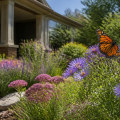
Native plant gardening is more than just a trend; it is a vital practice that supports local ecosystems and enhances biodiversity. By choosing plants that are indigenous to your region, you create a habitat that not only thrives in your local climate but also attracts a variety of wildlife, particularly birds. These native plants have evolved alongside local fauna, making them an essential food source and shelter for many bird species. The benefits of native plants extend beyond aesthetics. They require less water, fewer chemicals, and minimal maintenance compared to non-native species.
This means that by cultivating a native plant garden, you are not only conserving resources but also promoting a healthier environment. Birds, in particular, are drawn to gardens that offer the right mix of native flora, as these plants provide the seeds, fruits, and insects that many birds rely on for nourishment. Incorporating bird-friendly plants into your garden design can significantly increase the number of feathered visitors. Plants such as coneflowers, sunflowers, and various berry-producing shrubs are excellent choices for attracting birds. These species not only provide food but also create nesting sites and cover from predators.
As you embark on your native plant gardening journey, consider how each plant contributes to the overall ecosystem and the role it plays in supporting avian life.
Choosing the Right Native Plants
Attracting birds to your native plant garden begins with choosing the right native plants. Selecting species that are well-suited to your local climate and the specific bird species in your area is crucial for creating a thriving habitat.Best Native Plants for Birds
- Sunflowers (Helianthus spp.) - These vibrant flowers not only provide seeds that birds love but also attract pollinators.
- Black-eyed Susans (Rudbeckia hirta) - Their seeds are a favorite among finches and other small birds.
- Serviceberry (Amelanchier spp.) - This tree or shrub produces berries that are highly sought after by various bird species.
- Eastern Red Cedar (Juniperus virginiana) - The berries of this tree are a vital food source for many birds, especially in winter.
- Milkweed (Asclepias spp.) - While primarily known for attracting butterflies, milkweed also provides habitat for birds.
- Local Climate: Choose plants that thrive in your specific climate zone. Native plants are adapted to local conditions, making them more resilient and easier to maintain.
- Bird Species: Research the types of birds common in your area. Different species have varying preferences for food and shelter, so tailor your plant selection accordingly.
- Plant Diversity: Incorporate a variety of plants to create layers of habitat.
This diversity will attract a wider range of bird species and provide them with food, nesting sites, and cover from predators.
Creating a Bird-Friendly Habitat
Creating a bird-friendly habitat in your native plant garden involves understanding the essential requirements that birds need to thrive. By incorporating specific elements into your garden design, you can attract a diverse range of bird species.Food Sources
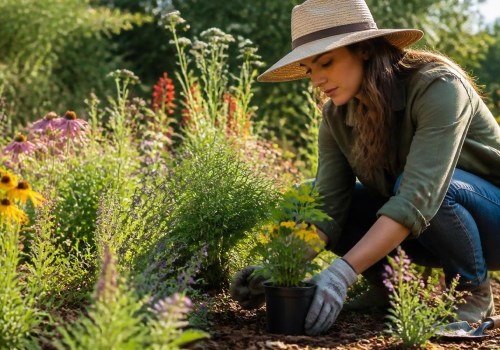
- Native plants are crucial as they provide natural food sources such as seeds, fruits, and nectar. Consider planting species like coneflowers, sunflowers, and berry-producing shrubs.
- Include a variety of plants that bloom at different times throughout the year to ensure a continuous food supply for birds.
- Consider adding bird feeders stocked with seeds that are favored by local species, such as sunflower seeds for finches or suet for woodpeckers.
Water Features
- A reliable water source is essential for birds.
Install a birdbath or a small pond to provide drinking and bathing opportunities.
- Ensure the water is shallow and has gently sloping edges to make it accessible for all bird sizes.
- Keep the water clean and fresh by changing it regularly, especially during hot weather.
Shelter and Nesting Sites
- Birds need safe places to rest and nest. Incorporate dense shrubs and trees into your garden design to offer shelter from predators.
- Leave some areas of your garden wild with native grasses and wildflowers, which can provide natural nesting sites.
- If space allows, consider installing birdhouses tailored to the species you wish to attract, ensuring they are placed at appropriate heights and locations.
Planting Strategies for Attracting Birds
To create a thriving habitat for birds in your native plant garden, implementing effective planting strategies is essential. Here are some practical techniques to consider:- Diverse Plant Selection: Incorporate a variety of native plants that bloom at different times throughout the year. This ensures a continuous supply of seeds, fruits, and nectar, attracting various bird species.
- Layered Planting: Design your garden with multiple layers—tall trees, mid-height shrubs, and low-growing ground covers.
This vertical diversity provides shelter and nesting sites for birds.
- Native Grasses and Wildflowers: Include native grasses and wildflowers in your garden layout. These plants not only provide food but also create a natural environment that encourages birds to visit.
- Open Spaces: Create open areas where birds can forage safely. Avoid overcrowding plants, as this can deter birds from visiting.
- Nesting Areas: Designate specific zones with dense shrubs or small trees where birds can build their nests.
Ensure these areas are sheltered from predators.
- Water Features: Incorporate birdbaths or small ponds into your garden layout. Birds are drawn to water sources for drinking and bathing, making them more likely to frequent your space.
- Sunflowers and Corn: Planting sunflowers alongside corn can attract seed-eating birds like finches and sparrows.
- Berries with Flowering Plants: Combine berry-producing plants such as elderberry or serviceberry with flowering plants like coneflowers to attract both nectar-feeding and fruit-eating birds.
- Nectar Plants with Grasses: Pair nectar-rich plants like bee balm with native grasses to create a habitat that supports both feeding and nesting.
Maintaining Your Native Plant Garden
Maintaining your native plant garden is crucial for creating a thriving habitat that attracts a variety of birds throughout the year. Regular care not only supports the health of your plants but also enhances the overall ecosystem, making it more inviting for feathered visitors.Garden Maintenance for Birds
- Water Sources: Ensure that your garden has accessible water sources, such as bird baths or small ponds.
Clean these regularly to prevent algae growth and provide fresh water.
- Nesting Sites: Leave some areas of your garden undisturbed to provide natural nesting sites. Native shrubs and grasses can offer shelter and nesting materials for birds.
- Food Supply: Incorporate a variety of native plants that produce seeds, berries, and nectar. This will attract different bird species looking for food.
Caring for Native Plants
Native plants are generally low-maintenance, but they still require attention to thrive. Here are some tips:
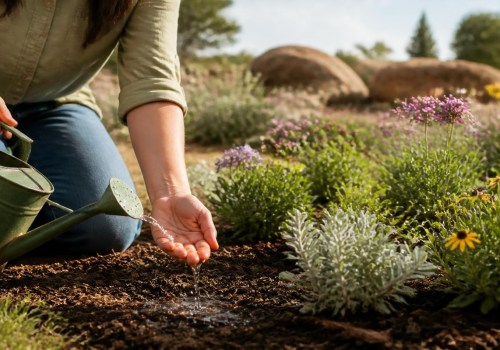
- Watering: During dry spells, ensure your native plants receive adequate water.
Deep watering encourages strong root systems.
- Mulching: Apply a layer of organic mulch around your plants to retain moisture, suppress weeds, and improve soil quality.
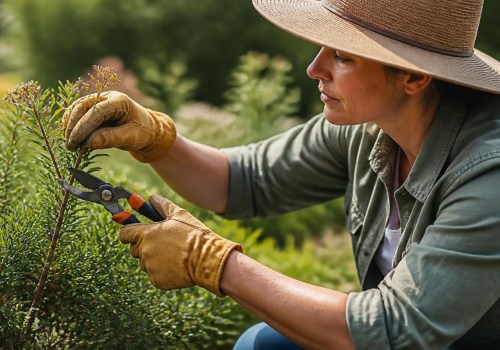
- Pruning: Regularly prune dead or diseased branches to promote healthy growth and maintain the aesthetic appeal of your garden.
Seasonal Care Tips
- Spring: As new growth begins, remove any debris from winter and check for pests. Fertilize with organic compost to boost plant health.
- Summer: Monitor water levels closely during hot months. Deadhead spent flowers to encourage more blooms and attract pollinators.
- Fall: Allow some plants to go to seed for birds to forage on during winter. Clean up fallen leaves but leave some in place to provide habitat for insects.
- Winter: Protect young plants from harsh weather by covering them with burlap or mulch.
Keep feeders stocked with seeds to support birds during colder months.
Common Birds to Attract with Native Plants
Creating a native plant garden not only enhances the beauty of your landscape but also provides essential habitats for various bird species. Here are some common birds you can attract with native plants, along with their specific needs:- American Goldfinch : These vibrant yellow birds are drawn to sunflowers and asters. They prefer open areas where they can forage for seeds and often nest in shrubs or small trees.
- Eastern Bluebird : Known for their striking blue plumage, Eastern Bluebirds thrive in gardens with native fruit-bearing plants like serviceberry and blueberry. They require open spaces for hunting insects and prefer to nest in tree cavities or birdhouses.
- Ruby-throated Hummingbird : Attracted to nectar-rich flowers such as bee balm and columbine, these tiny birds need a reliable source of food throughout the growing season.
Providing a water source can also help attract them.
- Northern Cardinal : With their bright red coloration, Northern Cardinals are a favorite among bird watchers. They enjoy dense shrubs and trees for nesting and are often found near native berry-producing plants.
- Chickadee : These small, friendly birds are attracted to gardens with a mix of trees and shrubs. They love sunflower seeds, so incorporating native plants that produce seeds can help draw them in.
By understanding the specific needs of each bird species, you can create a thriving ecosystem that supports local wildlife while enjoying the beauty of your native plant garden.
FAQs About Attracting Birds to Native Plant Gardens
Attracting birds to your native plant garden can be a rewarding experience, but it often raises several questions. Here are some frequently asked questions and their answers to help you create a bird-friendly environment.How can I attract more birds to my garden?
To increase the number of birds visiting your native plant garden, consider the following strategies:- Choose the right plants: Select native plants that provide food and shelter for local bird species. Plants that produce berries, seeds, and nectar are particularly effective.
- Create layers: Incorporate a variety of plant heights and types to create a diverse habitat. This includes ground cover, shrubs, and trees.
- Provide water sources: Install bird baths or small ponds to offer fresh water for drinking and bathing.
- Avoid pesticides: Minimize or eliminate pesticide use to ensure a safe environment for birds and their food sources.
What are the best practices for bird gardens?
Implementing best practices can enhance your garden's appeal to birds:- Plant in clusters: Grouping plants together can attract more birds by creating a natural food source.
- Provide nesting sites: Include native shrubs and trees that offer nesting opportunities, as well as birdhouses designed for local species.
- Maintain natural cover: Leave some areas of your garden wild with native grasses and wildflowers to provide shelter.
Troubleshooting bird attraction issues
If you're not seeing the expected number of birds, consider these troubleshooting tips:- Evaluate plant selection: Ensure your plants are truly native and suited to your local climate and soil conditions.
- Check for disturbances: Minimize noise and human activity in the area, as this can deter birds from visiting.
- Monitor food availability: Ensure that food sources are plentiful throughout the seasons, especially during migration periods.
Conclusion: Embracing Nature in Your Garden
In conclusion, native plant gardening is not just a trend; it is a vital practice that fosters biodiversity and supports local wildlife, particularly birds.By incorporating native plants into your garden, you create a welcoming habitat that provides essential food sources, shelter, and nesting sites for various bird species.Throughout this article, we explored several strategies to attract birds to your native plant garden:
- Choosing the Right Plants: Selecting native species that are well-adapted to your local climate ensures that your garden thrives while offering the right resources for birds.
- Creating Layers: Designing your garden with layers of vegetation—from ground covers to tall trees—provides diverse habitats that cater to different bird species.
- Providing Water Sources: Incorporating bird baths or small ponds can significantly enhance your garden's appeal, offering birds a place to drink and bathe.
- Avoiding Pesticides: By minimizing or eliminating chemical pesticides, you create a safer environment for birds and other beneficial wildlife.