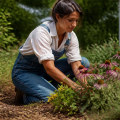
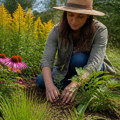
Native plant gardening is a practice that focuses on cultivating plants that are indigenous to a specific region. These plants have evolved over time to thrive in their local environments, making them well-suited for the climate, soil, and wildlife of the area. By choosing to garden with native species, gardeners can create landscapes that are not only beautiful but also beneficial to the local ecosystem. The definition of native plants varies by region, but generally, they are species that have existed in a particular area for thousands of years without human intervention. This long-standing relationship with the local environment means that native plants are adapted to local conditions, requiring less water and fewer resources than non-native species.
They also provide essential habitats and food sources for local wildlife, including birds, butterflies, and other pollinators. Understanding the importance of native plants is crucial for anyone interested in sustainable gardening practices. Native plants help maintain biodiversity, support local ecosystems, and reduce the need for chemical fertilizers and pesticides. By fostering a garden filled with these resilient species, gardeners can contribute to environmental conservation while enjoying a vibrant and low-maintenance landscape. As we delve deeper into the benefits of native plant gardening, it becomes clear that this approach not only enhances our gardens but also plays a vital role in preserving our natural heritage.
Environmental Benefits of Native Plant Gardening
Native plant gardening offers a multitude of environmental benefits that significantly enhance local ecosystems.By incorporating plants that are indigenous to a specific region, gardeners can create habitats that support a diverse array of wildlife. One of the primary advantages of native plants is their ability to promote biodiversity. These plants have evolved alongside local fauna, providing essential food sources and shelter for various species, including birds, insects, and small mammals. For instance, native flowering plants attract pollinators such as bees and butterflies, which are crucial for the reproduction of many plant species. Additionally, native plants are well-adapted to the local climate and soil conditions, making them more resilient to pests and diseases. This natural resistance reduces the need for chemical pesticides and fertilizers, leading to healthier ecosystems.
By minimizing chemical use, native plant gardening also helps protect water quality in nearby streams and rivers. Furthermore, native plants play a vital role in ecosystem support. Their deep root systems improve soil structure and prevent erosion, while also enhancing water retention. This is particularly important in areas prone to drought or heavy rainfall. By stabilizing the soil and improving its health, native plants contribute to a more sustainable environment.
- Supports Wildlife: Provides food and habitat for local species.
- Reduces Chemical Use: Lowers reliance on pesticides and fertilizers.
- Improves Soil Health: Enhances soil structure and prevents erosion.
By choosing native species, gardeners can make a positive impact on their local environment while enjoying the many rewards of nurturing these resilient plants.
Economic Advantages of Native Plant Gardening
Engaging in native plant gardening offers numerous economic advantages that can significantly benefit both homeowners and the environment. One of the most compelling reasons to choose native plants is the potential for cost savings. Native plants are well-adapted to local climates and soil conditions, which means they require less water and fewer resources to thrive.Reduced Water Usage
- Native plants typically have deep root systems that allow them to access moisture from deeper soil layers, reducing the need for supplemental watering.
- This can lead to lower water bills, especially in regions prone to drought or where water conservation is a priority.
Low Maintenance Gardening
- Once established, native plants generally require less maintenance than non-native species. They are more resistant to local pests and diseases, which means less spending on pesticides and fertilizers.
- This low-maintenance aspect translates into reduced labor costs for homeowners who may otherwise spend significant time and money on garden upkeep.
Long-Term Economic Benefits
- Investing in native plant gardening can increase property values.
Landscapes that incorporate native plants are often viewed as more sustainable and environmentally friendly, appealing to potential buyers.
- Additionally, native gardens can attract beneficial wildlife, such as pollinators, which can enhance the overall health of the ecosystem and contribute to local agriculture.
Aesthetic Appeal of Native Plant Gardens
Native plant gardening offers a unique aesthetic appeal that can transform any landscape into a vibrant and harmonious environment. By incorporating plants that are indigenous to the local area, gardeners can create visually stunning spaces that reflect the natural beauty of their surroundings.Beauty of Native Plants
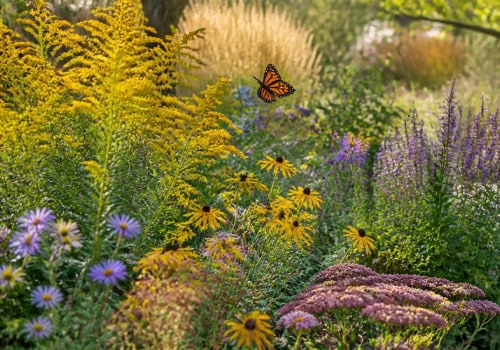
- Color Variety: Native plants come in a wide range of colors, from the bright yellows of coreopsis to the deep blues of lobelia. This diversity allows for creative combinations that can enhance the visual interest of any garden.
- Seasonal Changes: Many native plants offer year-round beauty, with blooms in spring, lush foliage in summer, and striking seed heads or fall colors.
This seasonal variation keeps the garden dynamic and engaging throughout the year.
- Textural Contrast: The different leaf shapes and sizes of native plants provide a rich textural contrast that can make landscapes more appealing. For instance, the fine foliage of ferns juxtaposed with the broad leaves of sunflowers creates an eye-catching display.
Landscaping with Native Plants
When landscaping with native plants, gardeners can achieve a naturalistic look that blends seamlessly with the environment. This approach not only enhances the beauty of individual gardens but also contributes to the overall aesthetic of neighborhoods and communities. Native gardens often attract local wildlife, such as birds and butterflies, adding movement and life to the landscape.
Visual Appeal of Native Gardens
The visual appeal of native gardens is further enhanced by their ability to adapt to local conditions.
These plants are well-suited to their environment, requiring less maintenance and water than non-native species. This resilience allows for a more sustainable garden that remains beautiful with minimal effort.In conclusion, native plant gardening not only beautifies individual spaces but also fosters a deeper connection to the local ecosystem. By choosing native species, gardeners can create stunning landscapes that celebrate the unique flora of their region while promoting biodiversity and sustainability.
Supporting Local Wildlife Through Native Plant Gardening
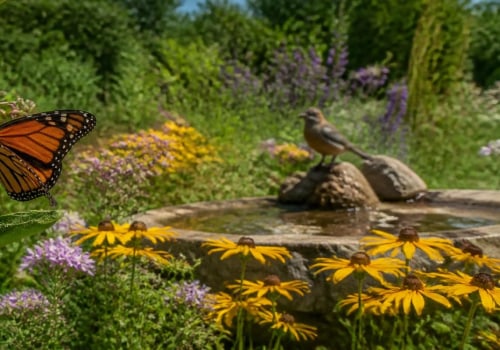
Engaging in native plant gardening not only beautifies your landscape but also plays a crucial role in supporting local wildlife. Native plants are adapted to the local climate and soil conditions, making them more resilient and beneficial for the ecosystem.One of the most significant advantages of incorporating native plants into your garden is their ability to attract pollinators.Many native species produce nectar and pollen that are specifically suited to local bees, butterflies, and other insects. For instance, planting milkweed can attract monarch butterflies, while coneflowers are a favorite among various bee species. By providing these essential food sources, you help sustain pollinator populations that are vital for the reproduction of many plants, including crops.In addition to attracting pollinators, native plants create habitats for a variety of wildlife. Birds, small mammals, and beneficial insects rely on native vegetation for shelter and nesting sites.
For example, shrubs like serviceberry not only offer cover but also produce berries that serve as a food source for birds. By designing your garden with a mix of native trees, shrubs, and flowers, you can create a thriving ecosystem that supports diverse wildlife.Moreover, native plant gardens contribute to the overall health of the environment by promoting biodiversity. They provide a habitat that encourages the coexistence of various species, which is essential for maintaining ecological balance. This biodiversity helps control pests naturally and reduces the need for chemical interventions.In summary, native plant gardening is an effective way to support local wildlife by attracting pollinators and creating essential habitats.
By choosing native species for your garden, you contribute to a healthier ecosystem while enjoying the beauty and resilience these plants offer.
How to Start Your Own Native Plant Garden
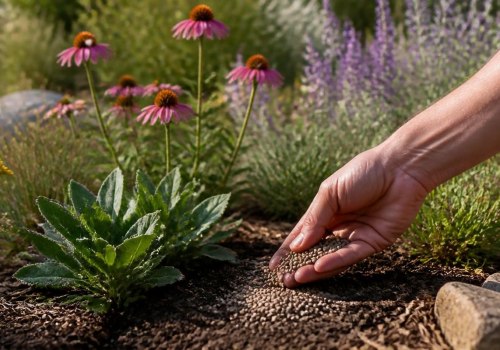
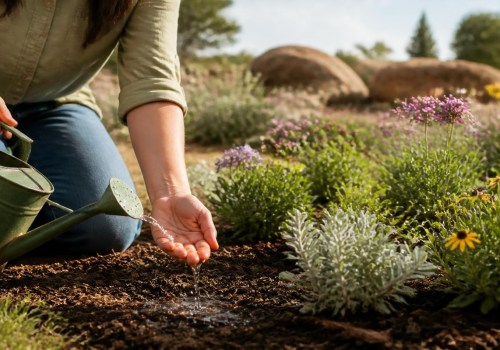
Starting your own native plant garden can be a rewarding endeavor that not only enhances your landscape but also supports local ecosystems. Here are some practical steps to help you get started:1.Research Your Local Ecosystem
Before selecting plants, it’s essential to understand the specific conditions of your area. Research the native plants that thrive in your region by consulting local extension services, botanical gardens, or native plant societies. This knowledge will guide you in choosing species that are well-adapted to your soil, climate, and wildlife.2.Choose the Right Native Plants
When selecting plants for your garden, consider a mix of perennials, grasses, and shrubs.Here are some popular native plants to consider:
- Echinacea purpurea (Purple Coneflower)
- Asclepias tuberosa (Butterfly Weed)
- Rudbeckia hirta (Black-eyed Susan)
- Panicum virgatum (Switchgrass)
- Amelanchier arborea (Serviceberry)
3.Plan Your Garden Layout
Once you have chosen your plants, it’s time to plan the layout of your garden. Consider the following tips:- Sunlight: Assess how much sunlight each area of your garden receives throughout the day and place sun-loving plants in those spots.
- Height Variation: Arrange taller plants at the back of borders and shorter ones in front to create depth and visibility.
- Group Similar Plants: Plant in clusters rather than single specimens to mimic natural growth patterns and enhance pollinator attraction.
Common Misconceptions About Native Plant Gardening
Despite the growing popularity of native plant gardening, several misconceptions persist that may deter potential gardeners from embracing this sustainable practice. Understanding these myths is crucial for making informed decisions about your gardening choices.- Myth 1: Native plants are unattractive. Many believe that native plants lack the vibrant colors and variety found in exotic species. In reality, native plants offer a stunning array of colors, shapes, and sizes, often blooming at different times throughout the year, which can create a dynamic and visually appealing garden.
- Myth 2: Native gardening requires no maintenance. While it’s true that native plants are adapted to local conditions and often require less water and fertilizer, they still need care.
Regular maintenance such as weeding, pruning, and monitoring for pests is essential to keep a native garden thriving.
- Myth 3: Native plants are only suitable for wild or naturalistic gardens. Many people think that native plant gardening can only be done in a wild setting. However, native plants can be incorporated into various garden styles, including formal landscapes, cottage gardens, and even urban settings.
- Myth 4: Native plants attract more pests. Some gardeners fear that using native plants will lead to increased pest problems. In fact, native plants often support local wildlife, including beneficial insects that can help control pest populations naturally.
Conclusion: Embracing Native Plant Gardening for a Sustainable Future
In conclusion, native plant gardening offers a multitude of benefits that extend beyond mere aesthetics.By choosing to cultivate plants that are indigenous to your region, you are actively participating in the preservation of local ecosystems and promoting biodiversity. One of the most significant advantages of native plant gardening is its ability to support local wildlife. Native plants provide essential habitats and food sources for various species, including birds, butterflies, and beneficial insects. This creates a thriving ecosystem that can help maintain the balance of nature in your area. Additionally, native plants are typically more resilient to local climate conditions, requiring less water and fewer chemical inputs than non-native species. This not only conserves resources but also reduces the environmental impact associated with gardening practices.
By minimizing the need for fertilizers and pesticides, you contribute to healthier soil and water systems. Moreover, native plant gardening fosters a sense of community and connection to the natural world. As more individuals embrace this sustainable practice, neighborhoods can transform into vibrant landscapes that reflect the unique beauty of their local flora. This not only enhances property values but also encourages community engagement through shared gardening efforts and educational initiatives. Ultimately, adopting native plant gardening is a powerful step towards a more sustainable future. It empowers individuals to make environmentally conscious choices while enjoying the myriad benefits that come from nurturing local ecosystems.
We encourage you to explore native plants in your own garden and witness firsthand the positive impact they can have on both your surroundings and the planet.