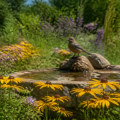
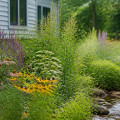
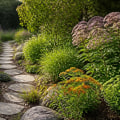
Native plant gardening is more than just a trend; it is a vital practice that fosters the health of our local ecosystems. By choosing plants that are indigenous to a specific region, gardeners can create landscapes that not only thrive but also support a diverse array of wildlife. This approach emphasizes the importance of biodiversity, as native plants are adapted to local soil, climate, and wildlife, making them more resilient and less reliant on chemical fertilizers and pesticides.The benefits of incorporating native plants into your garden extend beyond aesthetics. They play a crucial role in providing habitat and food for local fauna, including birds, butterflies, and beneficial insects.
In turn, these creatures contribute to pollination and pest control, creating a balanced ecosystem. Furthermore, native plants often require less water and maintenance compared to non-native species, making them an environmentally friendly choice for sustainable gardening.As we delve deeper into the considerations for planting trees within a native plant garden, it is essential to recognize how these trees can enhance the overall biodiversity of the space. Trees serve as foundational elements in any garden, offering shade, shelter, and food sources for various organisms. By selecting tree species that are native to your area, you can ensure that your garden not only flourishes but also becomes a sanctuary for local wildlife.
Choosing the Right Trees for Your Native Plant Garden
When it comes to native plant gardening, selecting the right trees is crucial for creating a harmonious ecosystem.The trees you choose should not only thrive in your local climate but also support the native flora and fauna.
Consider Local Climate
- Understanding your USDA Hardiness Zone is essential. This will help you identify which tree species can withstand local temperatures.
- Consider rainfall patterns and seasonal changes, as these factors influence tree growth and health.
Evaluate Soil Conditions
- Conduct a soil test to determine pH levels and nutrient content. Some native trees prefer acidic soils, while others thrive in alkaline conditions.
- Assess drainage capabilities; certain species may require well-drained soils, while others can tolerate wetter conditions.
Choose Ecologically Compatible Species
- Select trees that are native to your region. Native species are adapted to local conditions and provide habitat and food for wildlife.
- Consider the mature size of the trees.
Ensure they have enough space to grow without overshadowing smaller native plants.
- Look for trees that offer seasonal interest, such as flowering in spring or vibrant foliage in fall, to enhance the aesthetic appeal of your garden.
- Red Maple (Acer rubrum): Known for its stunning fall color and adaptability to various soil types.
- Eastern Redbud (Cercis canadensis): A small tree with beautiful pink flowers that attract pollinators.
- White Oak (Quercus alba): A majestic tree that supports numerous wildlife species and provides excellent shade.
- Pawpaw (Asimina triloba): A unique tree that produces edible fruit and thrives in rich, moist soils.
Soil Preparation and Site Assessment
When embarking on native plant gardening, the success of your tree planting efforts hinges significantly on thorough soil preparation and a comprehensive site assessment. Understanding the existing soil conditions and making necessary amendments can greatly enhance the health and growth of your trees, ensuring they thrive alongside other native plants.Assessing Soil Quality
The first step in preparing your site is to assess the soil quality. This involves testing for pH levels, nutrient content, and soil texture. A soil test kit can provide valuable insights into what your soil lacks or has in excess.Most native trees prefer a pH range of 6.0 to 7.5, which is slightly acidic to neutral. If your soil falls outside this range, consider adding amendments such as lime to raise pH or sulfur to lower it.
Understanding Soil Types
Different soil types support various native plants and trees. For instance:- Sandy soils drain quickly but may require additional organic matter to retain moisture.
- Clay soils hold water but can become compacted; incorporating compost can improve aeration.
- Silty soils are fertile but may need drainage solutions to prevent waterlogging.
Preparing the Site
Once you have assessed the soil, it’s time to prepare the site for planting. Clear away any invasive species or weeds that may compete with your new trees for nutrients and water.Loosen the soil in the planting area to a depth of at least 12 inches, mixing in organic matter such as compost or well-rotted manure. This not only improves soil structure but also enhances nutrient availability.In conclusion, proper soil preparation and a detailed site assessment are crucial steps in establishing a successful native plant garden that includes trees. By ensuring that your soil is healthy and suitable for the chosen species, you create a thriving ecosystem that benefits both the trees and the surrounding native plants.
Planting Techniques for Success
When it comes to native plant gardening, the success of your garden often hinges on the techniques used for planting trees. Proper planting not only enhances the survival rates of trees but also promotes their healthy growth, ensuring they thrive in harmony with other native plants.1.Choose the Right Time
- Early spring or fall are ideal times for planting trees, as these seasons provide optimal soil temperatures and moisture levels.
- Avoid planting during extreme heat or cold, which can stress young trees.
2.Prepare the Planting Site
- Conduct a soil test to determine pH and nutrient levels, ensuring they align with the needs of your chosen native tree species.
- Clear the area of weeds and debris to reduce competition for nutrients and water.
- Dig a hole that is at least twice as wide as the root ball but no deeper than the root ball itself to prevent settling.
3.Planting Techniques
- Gently remove the tree from its container, taking care not to damage the roots.
If roots are circling, loosen them before planting.
- Place the tree in the center of the hole, ensuring that the top of the root ball is level with or slightly above ground level.
- Backfill with native soil, tamping down lightly to eliminate air pockets while avoiding compacting the soil too much.
4.Watering and Mulching
- Water thoroughly after planting to help settle the soil around the roots. Continue to water regularly during dry spells for at least the first year.
- Add a layer of organic mulch around the base of the tree, keeping it a few inches away from the trunk to retain moisture and suppress weeds.
5.Monitor Growth
- Keep an eye on your newly planted trees for signs of stress, such as wilting leaves or stunted growth. Adjust watering and care as needed.
- Consider using tree guards to protect young trees from pests and environmental stressors.
Watering and Maintenance Considerations
When incorporating trees into a native plant garden, understanding their watering needs is crucial for ensuring their successful establishment and growth. Newly planted trees require consistent moisture, especially during their first few years as they develop their root systems.Here are some key considerations:
- Initial Watering: After planting, water the tree thoroughly to settle the soil around the roots. This initial watering helps eliminate air pockets and provides essential moisture.
- Regular Watering Schedule: For the first growing season, aim to water your newly planted trees once a week, providing about 10-15 gallons of water each time. Adjust this frequency based on rainfall and temperature conditions.
- Deep Watering: Encourage deep root growth by watering deeply but less frequently. This method promotes a stronger root system that can better withstand drought conditions.
Here are some maintenance practices to consider:
- Mulching: Apply a layer of organic mulch around the base of the tree to retain moisture, suppress weeds, and regulate soil temperature. Keep mulch away from the trunk to prevent rot.
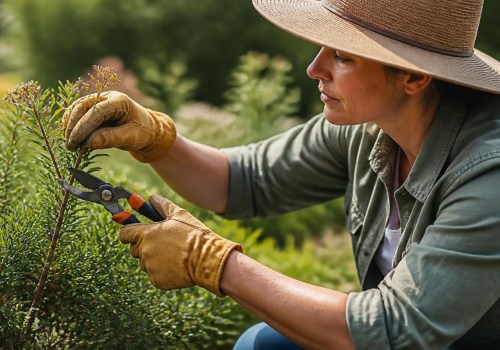
- Pruning: Regularly inspect your trees for dead or damaged branches. Pruning should be done during the dormant season to promote healthy growth and shape.
- Pest Management: Monitor for pests and diseases that may affect your trees. Use integrated pest management (IPM) strategies that align with the principles of native plant gardening.
By understanding their specific needs and implementing effective maintenance strategies, you can create a thriving environment that supports both your trees and the surrounding native flora.
Pest Management in Native Plant Gardens
Managing pests in a native plant garden requires a thoughtful approach that prioritizes the health of both trees and other native plants. By employing natural pest control methods, gardeners can create a balanced ecosystem that minimizes the need for chemical interventions.Understanding Pest Dynamics
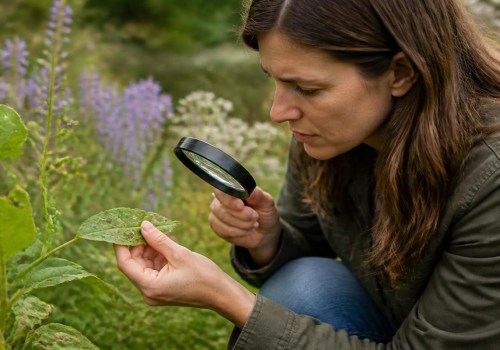
- Before implementing any pest management strategies, it’s essential to understand the specific pests that may affect your trees and native plants. Common pests include aphids, caterpillars, and beetles, which can damage foliage and stunt growth.
- Regular monitoring of your garden will help you identify pest populations early, allowing for timely intervention.
Natural Pest Control Methods
- Encourage Beneficial Insects: Attracting natural predators such as ladybugs, lacewings, and parasitic wasps can significantly reduce pest populations. Planting a variety of flowering plants can provide food and habitat for these beneficial insects.
- Companion Planting: Certain plants can repel pests or attract beneficial insects when grown alongside your trees.
For example, planting marigolds near fruit trees can deter nematodes and other harmful insects.
- Neem Oil and Insecticidal Soaps: These organic solutions can be effective against soft-bodied insects like aphids. They work by disrupting the life cycle of pests without harming beneficial insects when applied correctly.
Protecting Native Plants from Pests
- Physical Barriers: Using row covers or netting can protect young plants from insect damage while allowing sunlight and moisture to reach them.
- Regular Maintenance: Keeping your garden tidy by removing debris and dead plant material can reduce hiding spots for pests and lower the risk of infestations.
- Diversity is Key: A diverse garden with various native species can help prevent pest outbreaks. Different plants attract different insects, creating a more resilient ecosystem.
Creating a Balanced Ecosystem with Trees and Native Plants
Integrating trees into a native plant garden is essential for creating a balanced ecosystem that supports a diverse range of wildlife. Trees provide critical habitat and food sources for various species, enhancing the overall biodiversity of your garden.Understanding Ecosystem Balance
A balanced ecosystem relies on the interdependence of various organisms.
When selecting trees for your native plant garden, consider species that are indigenous to your area. These trees will be better adapted to local conditions and will support native fauna, such as birds, insects, and mammals. For instance, oak trees are known to host over 500 species of caterpillars, which in turn attract birds and other wildlife.
Enhancing Biodiversity
Incorporating trees into your garden not only provides vertical structure but also creates microhabitats that can support different plant communities. Understory plants thrive in the shade of larger trees, allowing for a greater variety of native plants to flourish.
This layering effect mimics natural ecosystems and promotes a healthy balance.
- Choose native tree species: Select trees that are native to your region to ensure they thrive and support local wildlife.
- Consider tree size: Be mindful of the mature size of the tree to avoid overcrowding and competition with other plants.
- Plan for seasonal changes: Different trees provide varying benefits throughout the seasons, from spring blooms to autumn foliage.
Companion Planting with Trees
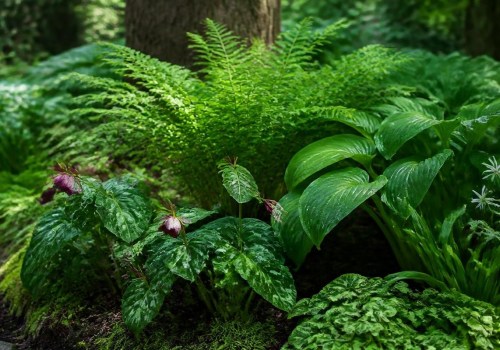
Companion planting is an effective strategy in native plant gardening. Pairing trees with specific understory plants can enhance growth and resilience. For example, planting ferns or wildflowers beneath a canopy tree can help retain moisture in the soil while providing additional habitat for pollinators.Moreover, consider the root systems of both trees and companion plants. Deep-rooted trees can help aerate the soil and improve drainage, benefiting shallow-rooted plants nearby.
This symbiotic relationship fosters a thriving ecosystem where both trees and native plants can coexist harmoniously.In conclusion, integrating trees into your native plant garden is not just about aesthetics; it’s about fostering a vibrant ecosystem that supports biodiversity and ecological resilience. By carefully selecting tree species and considering their interactions with other native plants, you can create a flourishing environment that benefits both wildlife and your gardening efforts.
Common Mistakes to Avoid When Planting Trees in Native Gardens
When it comes to native plant gardening, planting trees can be a rewarding yet challenging endeavor. Many gardeners make common mistakes that can hinder the success of their native gardens. Here are some frequent pitfalls to avoid:- Choosing Non-Native Species: One of the biggest errors is selecting trees that are not native to your region.
Non-native species can disrupt local ecosystems and outcompete native plants. Always research and choose trees that are indigenous to your area.
- Ignoring Soil Conditions: Each tree species has specific soil requirements. Failing to assess soil type, pH, and drainage can lead to poor growth or tree failure. Conduct a soil test before planting to ensure compatibility.
- Planting Too Deep: Many gardeners mistakenly plant trees too deep in the ground.
The root flare should be visible above the soil line. Planting too deep can suffocate roots and lead to disease.
- Neglecting Water Needs: Newly planted trees require consistent moisture, especially during their first few years. Overwatering or underwatering can stress the tree. Establish a watering schedule based on your local climate and rainfall.
- Forgetting About Sunlight: Different tree species have varying sunlight requirements.
Planting a shade-loving tree in full sun can stunt its growth or kill it. Be sure to understand the light needs of your chosen species.
Conclusion: Embracing Trees in Your Native Plant Garden
In conclusion, incorporating trees into your native plant garden is a rewarding endeavor that enhances both the ecological value and aesthetic appeal of your landscape. As we have explored, careful consideration of tree selection is paramount.Choosing species that are native to your region not only supports local wildlife but also ensures that the trees thrive in their environment. When selecting trees, consider their mature size, growth habits, and compatibility with existing plants. Native trees often have deep root systems that can help with soil stabilization and water retention, making them ideal for sustainable gardening practices. Additionally, these trees provide essential habitats for birds, insects, and other wildlife, fostering biodiversity within your garden. It is also crucial to think about the spacing and placement of trees in relation to other native plants. Proper spacing allows for adequate sunlight and air circulation, reducing competition for resources.
Furthermore, grouping trees with complementary understory plants can create a layered effect that mimics natural ecosystems. Regular maintenance is another key aspect of integrating trees into your native plant garden. This includes monitoring for pests and diseases, ensuring proper watering during dry spells, and pruning to maintain healthy growth. By committing to thoughtful care, you can cultivate a thriving environment that showcases the beauty and resilience of native flora. Ultimately, embracing trees in your native plant garden not only enriches your personal space but also contributes positively to the larger ecosystem. By making informed choices and nurturing these vital components of your landscape, you play a significant role in promoting environmental health and sustainability.