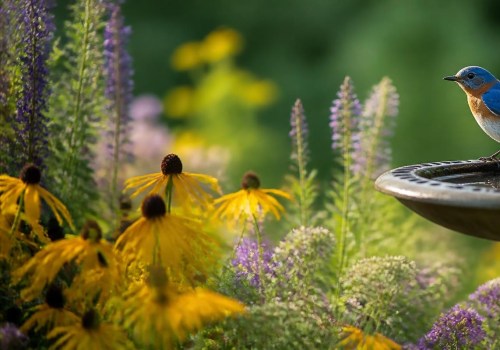
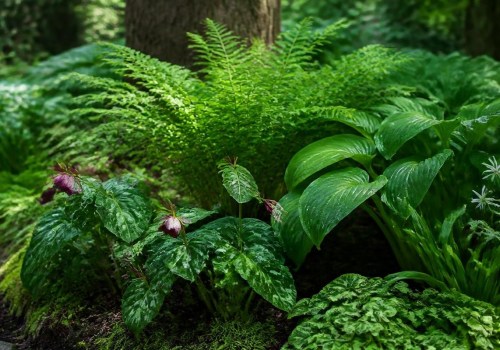
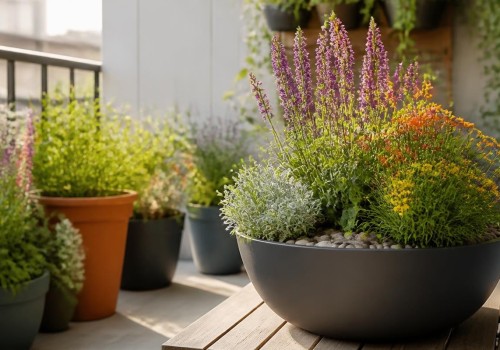
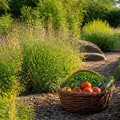
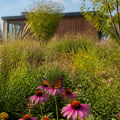
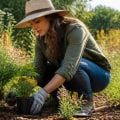
Native plant gardening is an increasingly popular approach to landscaping that emphasizes the use of plants indigenous to a specific region. This method not only enhances the natural beauty of your garden but also plays a crucial role in supporting local ecosystems. By choosing plants that are well-adapted to the local climate and soil conditions, gardeners can create vibrant spaces that require less maintenance and fewer resources, particularly water. The benefits of native plants extend beyond aesthetics. These plants are typically more resilient to local pests and diseases, reducing the need for chemical interventions.
Additionally, they provide essential habitats for wildlife, including pollinators like bees and butterflies, which are vital for maintaining biodiversity. As climate change continues to impact weather patterns, native plants offer a sustainable solution that aligns with conservation efforts. Water conservation is a pressing concern in many regions, making it essential for gardeners to adopt practices that minimize water usage. Native plant gardens are inherently more efficient in their water needs due to the deep root systems and drought-resistant characteristics of many native species. By understanding how to effectively implement water-saving techniques in these gardens, you can contribute to environmental sustainability while enjoying a flourishing landscape.
Choosing the Right Native Plants
When it comes to native plant gardening, selecting the right plants is crucial for creating a sustainable and water-efficient landscape.By choosing plants that are naturally adapted to your local climate, you can significantly reduce the amount of water needed for maintenance.
1.Understand Your Local Climate
- Research the specific climate conditions in your area, including rainfall patterns, temperature ranges, and soil types.
- Consult local gardening resources or extension services to identify which native plants thrive in your region.
2.Opt for Drought-Resistant Native Plants
Many native plants have evolved to withstand periods of drought, making them ideal choices for water conservation. Look for species that are known for their drought resistance:
- California Poppy (Eschscholzia californica) - A vibrant flower that requires minimal water once established.
- Blue Grama Grass (Bouteloua gracilis) - A hardy grass that thrives in dry conditions and provides excellent ground cover.
- Desert Marigold (Baileya multiradiata) - This perennial blooms beautifully with little water, attracting pollinators while conserving moisture.
3.Group Plants by Water Needs
When planning your garden layout, group plants with similar water requirements together. This practice not only simplifies irrigation but also ensures that each plant receives the appropriate amount of moisture:
- Create zones in your garden: high, medium, and low water use areas.
- Place drought-tolerant plants in the sunniest spots where they can thrive with minimal watering.
- Consider using mulch around these plants to retain soil moisture and reduce evaporation.
Soil Preparation and Management
Soil health is a critical factor in native plant gardening, particularly when it comes to conserving water. Healthy soil not only supports plant growth but also enhances moisture retention, reducing the need for frequent watering.To improve soil moisture retention, consider the following techniques:- Organic Matter Addition: Incorporating organic materials such as compost, leaf mold, or well-rotted manure can significantly enhance soil structure.
These amendments improve the soil's ability to hold moisture and provide essential nutrients for native plants.
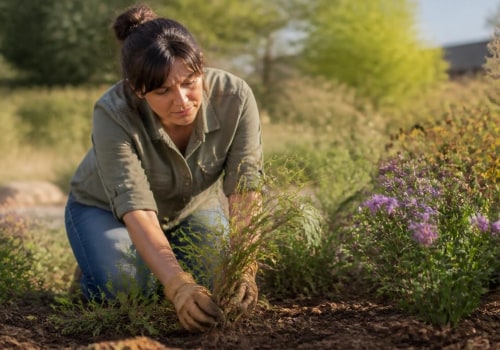
- Mulching: Applying a layer of organic mulch around your plants helps to reduce evaporation from the soil surface. Mulch also suppresses weeds, which compete for water and nutrients.
- Soil Aeration: Aerating compacted soil allows water to penetrate more deeply and encourages root growth. This can be achieved through practices like tilling or using a garden fork to loosen the soil.
For instance, if your soil is sandy and drains too quickly, adding organic matter can help retain moisture. Conversely, if your soil is heavy clay, incorporating gypsum can improve drainage while still retaining some moisture.By focusing on soil health, you create a thriving environment for native plants that not only conserves water but also promotes biodiversity and resilience in your garden.
Watering Techniques for Native Plant Gardens
When it comes to native plant gardening, employing efficient watering techniques is crucial for conserving water while promoting healthy plant growth. Here are some effective methods to consider:- Drip Irrigation: This system delivers water directly to the roots of plants through a network of tubing and emitters. By minimizing evaporation and runoff, drip irrigation ensures that water is used efficiently, making it an ideal choice for native plant gardens.
- Soaker Hoses: Similar to drip irrigation, soaker hoses allow water to seep slowly into the soil.
They can be laid out in a serpentine pattern throughout the garden, providing consistent moisture without wasting water.
- Rainwater Harvesting: Collecting rainwater from rooftops and directing it into barrels or cisterns can significantly reduce reliance on municipal water sources. This harvested water can be used during dry spells, ensuring that your native plants receive adequate hydration.
- Water Early or Late: Watering in the early morning or late evening minimizes evaporation, allowing more water to reach the roots.
- Monitor Soil Moisture: Use a moisture meter or simply check the soil with your fingers. Water only when necessary, as many native plants are drought-tolerant and can thrive with less frequent watering.
- Group Plants Wisely: Planting species with similar water needs together can help streamline your watering efforts and ensure that all plants receive adequate moisture without overwatering.
Mulching and Ground Cover Strategies
One of the most effective ways to conserve water in a native plant garden is through the use of mulching.Mulch serves as a protective layer over the soil, helping to retain moisture and reduce evaporation. By applying a thick layer of organic mulch, such as wood chips, straw, or shredded leaves, gardeners can significantly lower the amount of water needed for their plants. This not only conserves water but also suppresses weeds that compete for moisture and nutrients.In addition to mulching, incorporating ground cover plants can further enhance moisture retention in your garden. These low-growing plants spread across the soil surface, creating a natural barrier that minimizes evaporation.
Some excellent choices for ground cover in a native plant garden include:
- Creeping thyme: This drought-tolerant plant thrives in sunny areas and forms a dense mat that helps keep soil moist.
- Blue star creeper: Ideal for shaded areas, this plant not only provides ground coverage but also attracts pollinators.
- California lilac: With its beautiful blooms and ability to withstand dry conditions, it makes an excellent choice for both aesthetics and water conservation.
Creating a Sustainable Garden Design
Designing a native plant garden with a focus on sustainability not only enhances the beauty of your landscape but also significantly contributes to water conservation. Here are some effective strategies to create an eco-friendly garden layout that minimizes water usage:- Choose Native Plants Wisely: Select plants that are well-adapted to your local climate and soil conditions.
Native plants typically require less water and maintenance compared to non-native species. Research local flora to find drought-resistant varieties that thrive in your area.
- Group Plants by Water Needs: Organize your garden by placing plants with similar water requirements together. This practice, known as hydrozoning, allows for more efficient watering practices, ensuring that each plant receives the appropriate amount of moisture without waste.
- Incorporate Mulching: Applying a layer of organic mulch around your plants helps retain soil moisture, suppress weeds, and regulate soil temperature. Materials like wood chips, straw, or shredded leaves can be effective in reducing evaporation and keeping roots cool.
- Utilize Rain Gardens: Designate areas in your garden to collect and absorb rainwater runoff.
Rain gardens can be planted with native species that thrive in wet conditions, helping to filter pollutants while providing a habitat for wildlife.
- Implement Drip Irrigation: Instead of traditional sprinklers, consider installing a drip irrigation system. This method delivers water directly to the plant roots, minimizing evaporation and runoff while ensuring efficient water use.
Seasonal Care and Maintenance Tips
Maintaining a native plant garden throughout the seasons is essential for promoting water conservation and ensuring the health of your plants. Here are some practical tips to help you care for your garden year-round:Spring: Preparing for Growth
- Mulching: Apply a layer of organic mulch around your plants to retain moisture and suppress weeds.
This helps reduce the need for frequent watering.
- Soil Testing: Conduct a soil test to determine nutrient levels and pH. Amend the soil as needed to support healthy growth without excessive watering.
- Watering Wisely: Water deeply but infrequently to encourage deep root growth. Early morning is the best time to water, minimizing evaporation.
Summer: Managing Heat and Drought
- Choose Drought-Resistant Varieties: Select native plants that are well-adapted to your local climate and can withstand dry conditions.
- Shade Management: If possible, provide temporary shade for young plants during extreme heat to reduce water stress.
- Drip Irrigation: Consider installing a drip irrigation system to deliver water directly to the roots, minimizing waste and evaporation.
Fall: Preparing for Dormancy
- Pruning: Trim back dead or diseased foliage to promote air circulation and prevent disease, which can lead to unnecessary water use.
- Seed Collection: Collect seeds from your native plants to propagate next year’s garden, ensuring you have plants that thrive in your specific environment.
- Cover Crops: Plant cover crops in empty spaces to improve soil health and prevent erosion during winter rains.
winter: Protecting Your Garden
- Winter Mulching: Add an extra layer of mulch in late fall to protect roots from freezing temperatures while retaining moisture.
- Avoid Overwatering: During winter, many native plants enter dormancy. Be cautious not to overwater, as this can lead to root rot.
FAQs About Water Conservation in Native Plant Gardening
When it comes to native plant gardening, many gardeners have questions about how to effectively conserve water while maintaining a vibrant and healthy garden.Here are some frequently asked questions that can help guide your efforts:
- What are the best native plants for water conservation?
Choosing drought-tolerant native plants is key. Look for species that are adapted to your local climate and soil conditions. Examples include California poppy, purple coneflower, and black-eyed Susan. These plants require less water once established. - How can I improve soil moisture retention?
Incorporating organic matter such as compost or mulch can significantly enhance soil structure, allowing it to retain moisture more effectively.A layer of mulch also helps reduce evaporation.
- Is there a best time to water native plants?
Watering early in the morning or late in the evening minimizes evaporation and allows plants to absorb moisture more efficiently. This practice is especially important during hot summer months. - Can I use rainwater for my native plant garden?
Absolutely! Collecting rainwater in barrels is an excellent way to provide your garden with natural irrigation. This not only conserves municipal water but also provides plants with chemical-free water. - What role does plant spacing play in water conservation?
Proper spacing allows for better air circulation and reduces competition for water among plants. This can lead to healthier plants that require less watering overall.
Remember, a well-planned native garden not only thrives on minimal water but also supports local ecosystems.
Conclusion: Embracing Water Conservation in Your Garden
In conclusion, native plant gardening offers a sustainable approach to landscaping that not only enhances the beauty of your outdoor space but also plays a crucial role in water conservation. By implementing the strategies discussed, you can significantly reduce water usage while promoting biodiversity and supporting local ecosystems.To recap, here are some effective ways to conserve water in your native plant garden:- Choose drought-tolerant native plants: Selecting species that are well-adapted to your local climate ensures that your garden thrives with minimal irrigation.
- Implement mulching: Applying organic mulch around your plants helps retain soil moisture, suppress weeds, and regulate soil temperature.
- Utilize rainwater harvesting: Collecting rainwater in barrels or cisterns provides a sustainable water source for your garden during dry spells.
- Practice efficient watering techniques: Watering early in the morning or late in the evening minimizes evaporation, and using drip irrigation systems delivers water directly to the roots.
- Group plants by water needs: Arranging plants with similar moisture requirements together allows for more efficient watering practices.