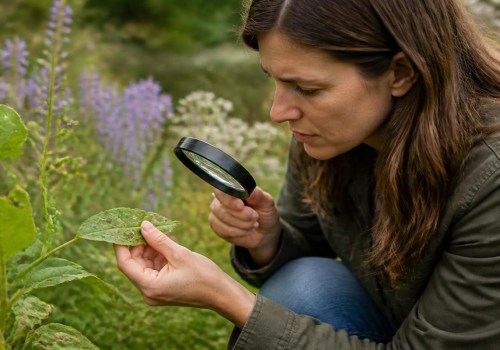
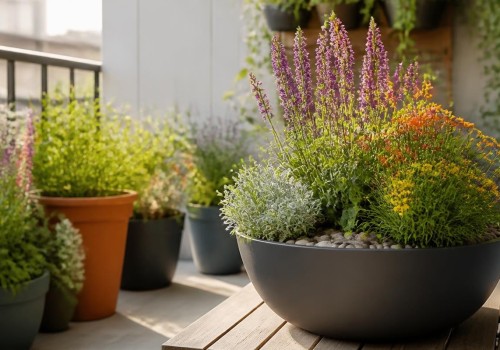
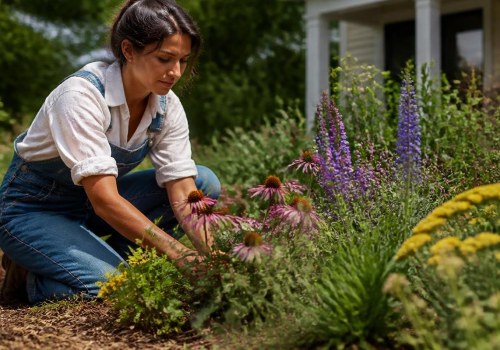
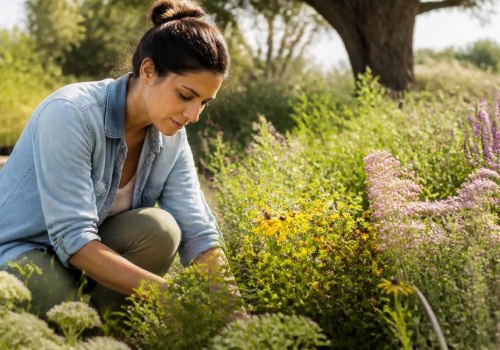
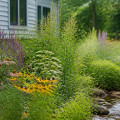
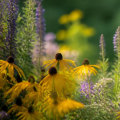
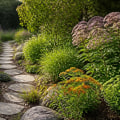
Native plant gardening is a practice that emphasizes the use of plants indigenous to a specific region, promoting a harmonious relationship between the garden and the local ecosystem. By choosing native plants, gardeners can create landscapes that not only thrive with minimal maintenance but also support local wildlife, including pollinators, birds, and beneficial insects. This approach fosters biodiversity, which is crucial for maintaining healthy ecosystems and resilient environments. One of the most significant benefits of native plant gardening is its ability to adapt to local climate conditions, soil types, and pest pressures. Native plants are inherently suited to their environment, requiring less water and fewer chemical inputs compared to non-native species.
This sustainability aspect makes them an excellent choice for environmentally conscious gardeners looking to reduce their ecological footprint while enhancing the beauty of their outdoor spaces. Incorporating edible plants into a native plant garden can further enrich this experience. Not only do these plants provide nourishment for humans, but they also attract various pollinators and wildlife that contribute to the overall health of the garden. By blending edible native plants with traditional ornamental varieties, gardeners can create a diverse landscape that serves multiple purposes—beauty, sustenance, and ecological balance. Understanding the role of native plants in our ecosystems is the first step toward creating a thriving garden that benefits both people and nature.
Benefits of Incorporating Edible Plants
Incorporating edible plants into a native plant garden offers a multitude of benefits that extend beyond mere aesthetics.By blending these two categories of plants, gardeners can create a more sustainable and ecologically balanced environment.
Ecological Advantages
Edible native plants are often well-adapted to local climates and soil conditions, which means they require less water and fewer resources compared to non-native species. This adaptability helps to reduce the need for chemical fertilizers and pesticides, promoting a healthier ecosystem. Additionally, these plants can attract beneficial insects, such as pollinators and natural pest predators, enhancing the overall biodiversity of your garden.Sustainability
By incorporating edible plants into your native garden, you contribute to a more sustainable food system. Growing your own food reduces reliance on commercial agriculture, which often involves extensive transportation and packaging.Furthermore, many native edible plants are perennials, meaning they can provide food year after year without the need for replanting.
Enhancing Biodiversity
A diverse garden is a resilient garden. By adding edible native plants, you increase the variety of species in your landscape, which can lead to improved soil health and reduced disease susceptibility. This diversity also creates habitats for various wildlife, including birds and beneficial insects, fostering a thriving ecosystem.Conclusion
In summary, the integration of edible plants into a native plant garden not only enhances its beauty but also contributes significantly to ecological health, sustainability, and biodiversity. By choosing native edible species, gardeners can enjoy the fruits of their labor while supporting the environment.Choosing the Right Edible Native Plants
Incorporating edible plants into your native plant garden can enhance both its beauty and functionality.To ensure a successful integration, it’s essential to choose the right edible native plants that thrive in your specific environment.
Considerations for Choosing Edible Native Plants
- Climate: Assess your local climate conditions, including temperature ranges and rainfall patterns. Some edible native plants are better suited for arid regions, while others thrive in humid environments.
- Soil Type: Test your soil to determine its pH and nutrient levels. Certain plants prefer sandy soils, while others flourish in clay or loamy conditions.
- Garden Design: Think about the layout of your garden. Choose plants that complement each other in terms of height, color, and growth habits to create a visually appealing landscape.
Recommended Edible Native Plants
- Wild Blueberry (Vaccinium angustifolium): A low-growing shrub that produces sweet berries, perfect for pies and jams.
- Pawpaw (Asimina triloba): This small tree bears large, custard-like fruits that are rich in flavor and nutrients.
- American Hazelnut (Corylus americana): A hardy shrub that yields delicious nuts, great for snacking or baking.
- Common Milkweed (Asclepias Syriaca): While primarily known for attracting pollinators, its young shoots and flower buds are edible when cooked.
- Chokecherry (Prunus virginiana): Produces clusters of tart cherries that can be used in jellies and syrups.
Many of these plants not only provide food but also support local wildlife and promote biodiversity. By carefully choosing the right species based on your garden's unique conditions, you can create a thriving native plant garden that is both beautiful and productive.
Designing Your Native Plant Garden with Edibles
Incorporating edible plants into your native plant garden can enhance both the aesthetic appeal and functionality of your outdoor space. Here are some practical design strategies to consider:- Companion Planting: Utilize the principles of companion planting to create a harmonious ecosystem. For example, pairing native herbs like bee balm with vegetables such as tomatoes can attract beneficial insects while providing culinary options.
- Layering Plants: Design your garden in layers, with taller native plants at the back and shorter edible plants in the front.
This not only maximizes space but also ensures that all plants receive adequate sunlight.
- Color and Texture: Choose a variety of edible plants that offer different colors and textures. For instance, the vibrant purple of eggplant or the bright red of cherry tomatoes can complement the greens and browns of native flora.
- Zoning: Create distinct zones within your garden for native plants and edibles. This can help manage water needs and soil conditions more effectively.
- Pathways: Incorporate pathways that allow easy access to both native plants and edibles. This not only enhances the garden's functionality but also encourages exploration.
- Seasonal Interest: Select a mix of plants that provide year-round interest.
For example, spring-blooming native flowers can be paired with summer-bearing fruits, ensuring that your garden remains vibrant throughout the seasons.
Maintenance Tips for a Thriving Native Edible Garden
Maintaining a native plant garden that incorporates edible plants requires a thoughtful approach to ensure both types of flora thrive harmoniously. Here are some essential maintenance tips to keep your garden flourishing.Watering Practices
Watering is crucial, especially during the establishment phase of your garden. Native plants are often adapted to local rainfall patterns, so it’s important to:- Monitor soil moisture: Check the soil regularly to determine when watering is necessary.
Overwatering can harm both native and edible plants.
- Use drip irrigation: This method conserves water and delivers it directly to the roots, promoting healthy growth.
- Mulch: Applying a layer of organic mulch helps retain moisture, suppress weeds, and improve soil quality.
Pruning Techniques
Regular pruning is essential for maintaining the health and productivity of your garden:- Remove dead or diseased branches: This prevents the spread of pests and diseases.
- Encourage airflow: Prune dense areas to improve air circulation, which is vital for preventing fungal diseases.
- Shape your plants: Regularly trim edible plants like herbs and fruit-bearing shrubs to promote bushier growth and higher yields.
Pest Management Strategies
Pest management in a native edible garden can be approached sustainably:- Encourage beneficial insects: Planting native flowers can attract pollinators and predatory insects that help control pest populations.
- Use organic pest control methods: Consider neem oil or insecticidal soap as eco-friendly options for managing pests without harming beneficial species.
- Regular inspections: Routinely check your plants for signs of pests or disease, allowing for early intervention when necessary.
Common Challenges and Solutions
Integrating edible plants into a native plant garden can be rewarding, but it also presents several challenges. Understanding these challenges and their solutions is crucial for a thriving garden.Pests in Edible Gardens
One of the most common issues faced by gardeners is pest management. Edible plants can attract a variety of pests that may not affect native plants.Here are some strategies to manage pests:
- Companion Planting: Utilize native plants that repel pests when planted alongside your edible varieties. For example, marigolds can deter aphids.
- Natural Predators: Encourage beneficial insects like ladybugs and lacewings by providing habitats such as insect hotels or diverse plantings.
- Organic Treatments: Use organic pesticides or homemade solutions, such as neem oil or insecticidal soap, to manage outbreaks without harming the ecosystem.
Soil and Nutrient Management
Another challenge is ensuring that the soil meets the nutritional needs of both native and edible plants. Here are some solutions:- Soil Testing: Conduct a soil test to determine nutrient levels and pH. This will help you amend the soil appropriately.
- Composting: Incorporate organic matter through compost to improve soil structure and fertility, benefiting all plants in your garden.
- Nitrogen-Fixing Plants: Include native legumes that enrich the soil with nitrogen, enhancing growth for nearby edible plants.
Diversity and Competition
The competition between native and edible plants can also pose a challenge.To mitigate this:
- Strategic Placement: Group plants with similar water and sunlight needs together to reduce competition.
- Diverse Planting: Create layers in your garden by planting taller native species alongside shorter edible varieties, maximizing space and resources.
FAQs About Native Plant Gardening with Edibles
When it comes to native plant gardening with edibles, many gardeners have questions about how to effectively combine these two elements. Here are some frequently asked questions that can help clarify common concerns:- Can I grow edible plants alongside native plants? Yes, many edible plants can coexist with native species. For instance, herbs like oregano and thyme can thrive in a native garden setting while attracting beneficial insects.
- What are some native edible plants I can include? Consider incorporating plants such as wild strawberries, serviceberries, and pawpaws. These not only provide food but also support local wildlife.
- How do I ensure that my garden remains sustainable? Focus on using organic practices and selecting plants that are well-adapted to your local climate.
This minimizes the need for chemical fertilizers and pesticides.
- Will growing edibles affect the biodiversity of my native garden? If chosen wisely, edible plants can enhance biodiversity. They can attract pollinators and other beneficial organisms, contributing positively to the ecosystem.
- What are the best practices for maintaining a native plant garden with edibles? Regularly monitor soil health, practice crop rotation, and ensure proper spacing between plants to reduce competition for resources.
Conclusion: Embracing a Sustainable Gardening Approach
Incorporating edible plants into a native plant garden is not just a trend; it is a sustainable gardening approach that promotes biodiversity and enhances the ecological health of our environments. By blending native plants with edible varieties, gardeners can create a harmonious ecosystem that supports local wildlife while providing nutritious food sources.Throughout this article, we have explored various strategies for integrating edible plants into your native garden. Here are some key takeaways:- Choose Compatible Species: Select edible plants that thrive in your local climate and soil conditions, ensuring they coexist well with native flora.
- Support Local Wildlife: Many native plants attract pollinators and beneficial insects, which can also aid in the growth of your edible crops.
- Practice Companion Planting: Utilize the principles of companion planting to enhance growth and deter pests naturally, creating a more resilient garden.
- Emphasize Sustainability: Focus on organic gardening practices to maintain soil health and reduce chemical use, benefiting both your garden and the surrounding ecosystem.
Not only do edible native gardens provide fresh produce, but they also foster a deeper connection to the local environment. As we cultivate these spaces, we play a vital role in preserving biodiversity and promoting ecological balance.In conclusion, the fusion of native plant gardening with edible plants offers an innovative solution to modern gardening challenges. It encourages us to rethink our gardening practices and prioritize sustainability, ultimately leading to healthier gardens and communities.