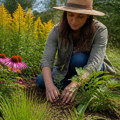
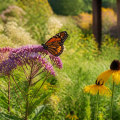
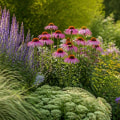
Native plant gardening is more than just a trend; it is a vital practice that supports local ecosystems and enhances biodiversity. By choosing plants that are indigenous to your region, you create a thriving environment that not only beautifies your landscape but also provides essential habitats for various forms of wildlife. These plants have evolved alongside local fauna, making them particularly well-suited to support the intricate relationships between species in your area. The benefits of native plants extend far beyond aesthetics. They require less water, fewer pesticides, and minimal maintenance compared to non-native species, making them an eco-friendly choice for gardeners.
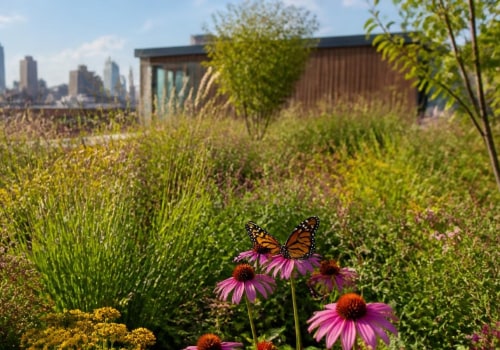
Additionally, native plants are crucial for pollinators such as bees, butterflies, and birds, which rely on them for food and shelter. By incorporating these plants into your garden, you are actively contributing to the preservation of local wildlife populations and promoting a healthier ecosystem. Creating a natural habitat through native plant gardening not only fosters biodiversity but also connects you with the natural world around you. As you cultivate your garden, you will likely witness an increase in wildlife activity, from the flutter of butterfly wings to the chirping of songbirds. This dynamic interaction between plants and animals enriches your gardening experience and underscores the importance of maintaining ecological balance in our increasingly urbanized landscapes.
Choosing the Right Native Plants for Your Garden
Creating a thriving native plant garden begins with choosing the right native plants that are well-suited to your local environment.This selection process is crucial not only for the aesthetic appeal of your garden but also for supporting local wildlife.
1.Understand Your Local Climate
- Research the climate zone of your area, which can significantly influence plant growth. For instance, plants that thrive in a humid environment may not survive in arid conditions.
- Consider seasonal variations, such as temperature extremes and rainfall patterns, to select plants that can withstand these changes.
2.Assess Soil Type
- Conduct a soil test to determine pH levels and nutrient content. Native plants often have specific soil preferences, such as sandy, loamy, or clay soils.
- Improve soil health by adding organic matter or compost, which can enhance drainage and nutrient availability for your chosen plants.
3.Identify Local Native Species
- Visit local nurseries or botanical gardens to find best native plants that are adapted to your region. These establishments often provide a selection of species that are proven to thrive locally.
- Consult resources like the USDA Plant Database or local conservation organizations for lists of native species that support local fauna.
4.Consider Wildlife Needs
- Select plants that provide food and shelter for local wildlife.
For example, flowering plants attract pollinators, while shrubs offer nesting sites for birds.
- Diverse plant selections can create layers in your garden, providing habitats for various species from ground-dwelling insects to birds and small mammals.
Designing Your Garden Layout for Wildlife
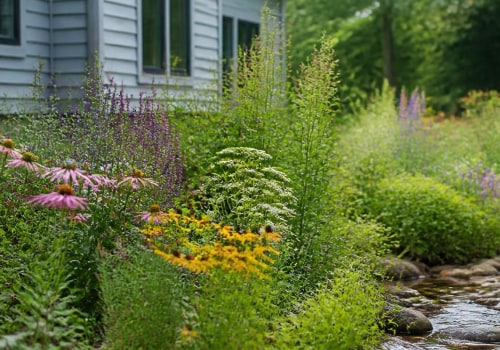
Creating a wildlife-friendly garden layout is essential for maximizing the habitat potential of your native plant garden. A well-planned design not only enhances the aesthetic appeal of your space but also provides essential resources for local wildlife.1.Plant Placement
: Start by considering the needs of various wildlife species. Place taller plants at the back of your garden beds and shorter ones in front to create a natural layering effect. This not only allows sunlight to reach all plants but also provides shelter and nesting sites for birds and small mammals.2.Diverse Microhabitats
: Incorporate a variety of plant types and structures to create diverse microhabitats.For instance, include:
- Flowering plants that attract pollinators like bees and butterflies.
- Grasses and sedges that provide cover for small animals.
- Ground covers that help retain moisture and offer shelter.
3.Water Features
: Consider adding a small pond or birdbath to your layout. Water sources are crucial for wildlife, providing drinking water and attracting various species. Ensure that these features are shallow enough for smaller animals to access safely.4.Pathways and Open Spaces
: Designate pathways that allow easy access to different areas of your garden without disturbing wildlife habitats. Open spaces can serve as sunlit areas for basking reptiles or resting spots for birds.By thoughtfully planning your garden layout with these elements in mind, you can create a thriving ecosystem that supports local wildlife while enjoying the beauty of native plant gardening.Incorporating Water Features and Shelter
Creating a thriving native plant garden goes beyond just planting the right flora; it also involves providing essential resources for wildlife.Two critical components in this endeavor are water features and wildlife shelter. These elements not only enhance the beauty of your garden but also attract a diverse array of animals, from birds to beneficial insects.
Water Features
Incorporating a water source into your garden can significantly increase its appeal to wildlife. Here are some ideas:- Garden Ponds: A small pond can serve as a habitat for frogs, dragonflies, and various aquatic plants. Ensure that the pond has shallow edges to allow easy access for wildlife.
- Birdbaths: Simple birdbaths can attract a variety of birds.
Choose a shallow basin and place it in a sunny spot, adding stones or pebbles for birds to perch on while they drink.
- Watering Holes: For smaller creatures, consider creating small depressions filled with water. These can be especially beneficial during dry spells.
Wildlife Shelter
Providing shelter is equally important for attracting wildlife. Here are some effective ways to create safe havens:- Nesting Boxes: Install birdhouses or bat boxes to offer safe nesting sites. Make sure they are made from natural materials and placed in quiet areas.
- Brush Piles: Leave piles of brush or logs in a corner of your garden.
These provide cover for small mammals and insects, creating a mini-ecosystem.
- Native Shrubs: Planting native shrubs not only provides food but also offers shelter for birds and other wildlife. Choose species that produce berries or seeds.
Maintaining Your Native Plant Garden for Wildlife Health
Maintaining a native plant garden is essential for fostering a thriving ecosystem that supports local wildlife. By implementing sustainable gardening practices, you can create a habitat that not only looks beautiful but also serves as a sanctuary for various species.Regular Maintenance
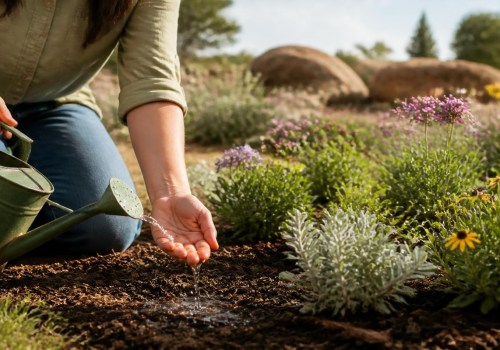
- Watering: Native plants are often adapted to local climate conditions, requiring less water than non-native species. However, during dry spells, ensure your garden receives adequate moisture.
Use drip irrigation or soaker hoses to minimize water waste.
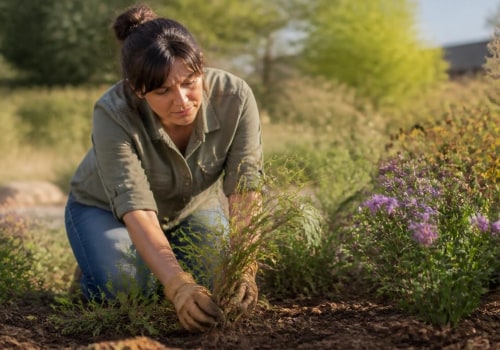
- Weeding: Regularly remove invasive species that compete with your native plants. This helps maintain the health of your garden and ensures that native flora can thrive, providing food and shelter for wildlife.
- Mulching: Apply organic mulch around your plants to retain moisture, suppress weeds, and improve soil health as it decomposes. This practice also creates a habitat for beneficial insects.
Organic Pest Management
Utilizing organic methods to manage pests is crucial in maintaining the health of your native plant garden. Consider the following:
- Encourage Beneficial Insects: Attract ladybugs, lacewings, and other natural predators by planting a variety of native flowers.
These insects help control pest populations without harming the ecosystem.
- Natural Repellents: Use homemade sprays made from garlic or neem oil to deter pests without resorting to harmful chemicals.
Creating Shelter and Food Sources
Your garden should provide essential resources for wildlife. Incorporate features such as:
- Nesting Sites: Leave some areas of your garden undisturbed to provide natural nesting sites for birds and small mammals.
- Diverse Planting: Include a variety of native plants that bloom at different times throughout the year to ensure a continuous food supply for pollinators and other wildlife.
Attracting Specific Wildlife Species to Your Garden
Creating a vibrant ecosystem in your native plant garden involves attracting a variety of wildlife, including birds, pollinators, and beneficial insects. Each of these species plays a crucial role in maintaining the health and balance of your garden.Attracting Birds
To draw birds to your garden, consider incorporating a mix of native shrubs and trees that provide food and shelter. Plants such as serviceberry, elderberry, and black chokeberry produce berries that many bird species love.Additionally, installing bird feeders filled with seeds from native plants can supplement their diet. Providing water sources, like bird baths or small ponds, is also essential for attracting birds, especially during dry seasons.
Encouraging Pollinators
Pollinators, such as bees and butterflies, are vital for the reproduction of many plants. To attract these beneficial insects, plant a variety of flowering native species that bloom at different times throughout the growing season. Consider including plants like coneflowers, milkweed, and bee balm.These not only provide nectar but also serve as host plants for butterfly larvae. Avoid using pesticides, as they can harm these essential creatures.
Supporting Beneficial Insects
Beneficial insects, such as ladybugs and lacewings, help control pest populations naturally. To encourage these allies in your garden, create habitats by incorporating native plants that offer shelter and food. Plants like dill, fennel, and yarrow attract beneficial insects while also enhancing the biodiversity of your garden.Additionally, leaving some areas of your garden undisturbed can provide nesting sites for these insects.By thoughtfully selecting plants and features that cater to the needs of birds, pollinators, and beneficial insects, you can create a thriving natural habitat in your native plant garden. This not only enhances the beauty of your space but also contributes to the overall health of the local ecosystem.
Common Challenges in Native Plant Gardening and Solutions
Creating a native plant garden can be a rewarding endeavor, but it often comes with its own set of challenges. Understanding these common issues and their solutions can help you cultivate a thriving habitat for wildlife.Pest Management
One of the most significant challenges in native plant gardening is dealing with pests. While many native plants are resilient, they can still attract unwanted insects.Here are some effective strategies for managing pests:
- Encourage Beneficial Insects: Introduce ladybugs, lacewings, and parasitic wasps to your garden. These natural predators can help keep pest populations in check.
- Use Organic Solutions: Consider using neem oil or insecticidal soap as a natural way to deter pests without harming beneficial insects.
- Companion Planting: Planting certain species together can deter pests. For example, marigolds are known to repel nematodes and other harmful insects.
Invasive Species Control
Invasive species pose a significant threat to the success of your native plant garden. They can outcompete native plants for resources, leading to a decline in biodiversity.To combat this issue:
- Regular Monitoring: Keep an eye on your garden for any signs of invasive plants. Early detection is key to effective management.
- Manual Removal: For small infestations, hand-pulling or digging out invasive species can be effective. Ensure you remove the entire root system to prevent regrowth.
- Mulching: Applying a thick layer of mulch can suppress the growth of invasive plants while retaining moisture for your native species.
FAQs About Creating a Wildlife Habitat with Native Plants
Creating a wildlife habitat in your native plant garden can be both rewarding and beneficial for local ecosystems. Here are some frequently asked questions that can help guide you in your efforts:What types of native plants should I choose?
When selecting plants, consider those that are indigenous to your region.Native wildflowers, grasses, and shrubs not only thrive in local conditions but also provide essential food and shelter for wildlife. Research local flora or consult with a native plant society to find the best options.
How can I attract specific wildlife?
Different species are attracted to different plants. For example:- Butterflies: Plant milkweed and coneflowers.
- Birds: Incorporate berry-producing shrubs like elderberry or serviceberry.
- Bees: Include a variety of flowering plants such as asters and sunflowers.
Do I need to provide water sources?
Yes! Water is crucial for wildlife. Consider adding a small birdbath or a shallow dish filled with pebbles and water. This will not only attract birds but also provide hydration for insects and other small animals.How can I maintain my native plant garden?
Maintenance is key to a thriving garden.Regularly remove invasive species that may compete with your native plants. Additionally, consider using organic mulch to retain moisture and suppress weeds without harming the ecosystem.
Can I create a habitat in a small space?
Absolutely! Even small gardens can support wildlife. Focus on vertical gardening or container gardening with native plants to maximize space while still providing essential resources for local fauna.If you have more questions about native plant gardening or creating wildlife habitats, don't hesitate to reach out to local gardening clubs or extension services for personalized advice!
Conclusion: The Impact of Native Plant Gardening on Wildlife Conservation
In conclusion, native plant gardening serves as a vital tool for wildlife conservation, offering numerous benefits that extend beyond aesthetic appeal. By incorporating native plants into your garden, you create a sustainable ecosystem that supports local wildlife, including birds, butterflies, and beneficial insects.Throughout this article, we have explored the various ways in which native plants contribute to a healthier environment. Here are some key takeaways:- Habitat Creation: Native plants provide essential habitats for various species, ensuring that they have the food and shelter they need to thrive.
- Biodiversity Enhancement: By planting a diverse array of native species, you promote biodiversity, which is crucial for ecosystem resilience.
- Pollinator Support: Many native plants are specifically adapted to attract local pollinators, helping to sustain their populations and improve plant reproduction.
- Water Conservation: Native plants typically require less water than non-native species, making them an eco-friendly choice that conserves precious resources.
This not only enhances your gardening experience but also contributes to the larger goal of preserving our natural heritage.Ultimately, by choosing to cultivate a garden filled with native plants, you are making a significant impact on wildlife conservation. Your efforts can inspire others in your community to follow suit, creating a ripple effect that promotes ecological awareness and stewardship. Together, we can ensure that our gardens serve as sanctuaries for wildlife and contribute to the health of our planet.