Native plant gardening is an increasingly popular practice that emphasizes the use of indigenous flora to create sustainable and ecologically balanced landscapes. This approach not only enhances the beauty of gardens but also supports local wildlife, conserves water, and reduces the need for chemical fertilizers and pesticides. In coastal areas, where unique environmental challenges exist, native plant gardening becomes even more crucial. The harsh conditions of salt spray, sandy soils, and fluctuating tides require careful selection of plants that can thrive in these environments. One of the primary benefits of native plants is their adaptability to local climates and ecosystems.
By choosing plants that are naturally found in coastal regions, gardeners can create resilient landscapes that withstand the elements while providing essential habitats for birds, butterflies, and other pollinators. Additionally, native plants often require less maintenance than non-native species, making them an ideal choice for busy homeowners or those new to gardening. As we delve deeper into the specifics of coastal gardening, it’s important to understand how factors such as soil type, moisture levels, and exposure to wind and salt can influence plant selection. By embracing the principles of native plant gardening in coastal areas, we not only contribute to the preservation of our natural heritage but also create vibrant spaces that reflect the unique beauty of our coastal ecosystems.
Unique Challenges of Coastal Environments
Gardening in coastal areas presents unique challenges that can significantly impact the success of native plant gardening. Understanding these challenges is essential for selecting the right plants and ensuring their survival in such environments.Salt Spray and Soil Salinity
One of the primary challenges in coastal gardening is the presence of salt spray from ocean waves and winds.
This salt can accumulate in the soil, making it difficult for many plants to thrive. To combat this, it is crucial to choose native plants that exhibit high salt tolerance. Species such as beach grass, sea oats, and salt marsh hay are excellent choices as they have adapted to these saline conditions.
Wind Exposure
Coastal areas are often subject to strong winds, which can damage or uproot less resilient plants. When planning your garden, consider planting in sheltered areas or using windbreaks like shrubs or fences to protect more delicate species.
Additionally, selecting low-growing native plants can help minimize wind damage while still providing aesthetic value.
Sandy Soils
The soil composition in coastal regions is typically sandy, which can lead to poor water retention. This characteristic necessitates the selection of drought-tolerant native plants that can thrive in well-drained soils. Incorporating organic matter into the soil can also improve its structure and moisture retention capabilities.
Conclusion
By understanding these unique challenges—salt tolerance, wind exposure, and sandy soils—gardeners can make informed decisions when creating a thriving native plant garden in coastal areas. Emphasizing the use of resilient native species will not only enhance the beauty of your garden but also contribute to local biodiversity.
Choosing the Right Native Plants for Coastal Areas
When it comes to native plant gardening in coastal areas, selecting the right plants is crucial for creating a thriving ecosystem that can withstand the unique challenges posed by salt, wind, and drought.Coastal environments often experience harsh conditions, making it essential to choose species that are both salt-tolerant and drought-resistant.
Best Native Plants for Coastal Areas
- Beach Strawberry (Fragaria chiloensis): This low-growing perennial is not only salt-tolerant but also produces delicious berries. It helps stabilize sandy soils and provides ground cover.
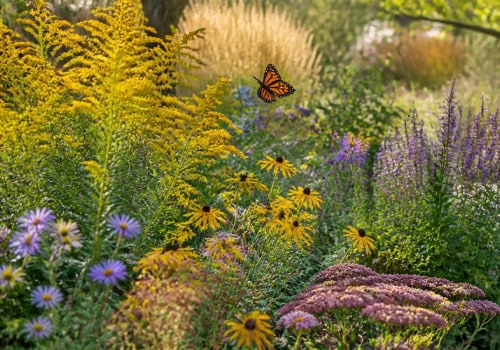
- Seaside Goldenrod (Solidago sempervirens): Known for its bright yellow flowers, this plant thrives in sandy soils and is a favorite among pollinators.
- Salt Meadow Hay (Spartina patens): Ideal for marshy areas, this grass is excellent for erosion control and provides habitat for wildlife.
- Common Bluebell (Campanula rotundifolia): This hardy perennial can tolerate salty conditions and adds a splash of color to coastal gardens.
Characteristics of Salt-Tolerant Plants
When selecting plants for your coastal native garden, look for those with the following characteristics:
- Thick Leaves: These help reduce water loss and can withstand salt spray.
- Deep Root Systems: A robust root system allows plants to access deeper moisture and stabilize sandy soils.
- Adaptability: Choose plants that can thrive in both wet and dry conditions, as coastal areas often experience fluctuating moisture levels.
Soil Preparation and Amendments for Coastal Gardens
When establishing a native plant garden in a coastal area, soil preparation is crucial for ensuring the success of your plants.Coastal soils are often characterized by their sandy texture, which can lead to challenges such as poor nutrient retention and rapid drainage. To create a thriving environment for your native plants, consider the following steps:
Understanding Sandy Soils
Sandy soils are typically well-draining but can struggle to retain moisture and nutrients. This can be particularly problematic in coastal regions where salt spray and wind can further stress plants. Understanding the unique properties of sandy soil is the first step in effective coastal soil preparation.Soil Amendments for Coastal Gardens
To improve the fertility and water retention of sandy soils, incorporating organic matter is essential.Here are some effective amendments:
- Compost: Adding well-decomposed compost enriches the soil with nutrients and improves its structure, helping it retain moisture.
- Peat Moss: This amendment enhances water retention and provides a slow release of nutrients, making it beneficial for sandy soils.
- Coconut Coir: A sustainable alternative to peat moss, coconut coir also aids in moisture retention while improving soil aeration.
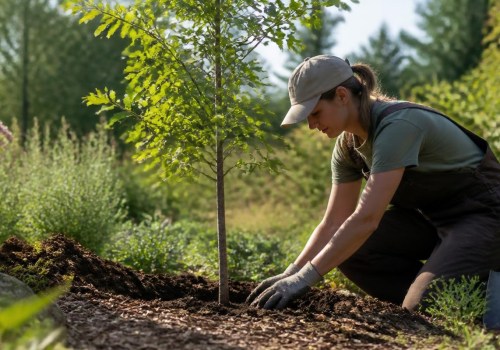
- Mulch: Applying a layer of organic mulch around your plants can help reduce evaporation, suppress weeds, and gradually add nutrients back into the soil as it breaks down.
Improving Soil Structure
In addition to amendments, consider the following practices to enhance soil structure:- Tilling: Lightly tilling the soil before planting can help incorporate amendments and improve aeration.
- Soil Testing: Conducting a soil test can provide insights into nutrient levels and pH, allowing you to tailor your amendments accordingly.
- Planting Cover Crops: Growing cover crops during the off-season can help build organic matter and improve soil health over time.
Watering Strategies for Coastal Native Plant Gardens
When it comes to native plant gardening in coastal areas, understanding effective watering strategies is crucial for the health and sustainability of your garden. Coastal environments often present unique challenges, including salt spray, sandy soils, and variable rainfall patterns. Here are some tailored strategies to ensure your native plants thrive.Irrigation Techniques
Implementing the right irrigation techniques can significantly enhance the resilience of your coastal garden:- Drip Irrigation: This method delivers water directly to the roots of plants, minimizing evaporation and runoff.
It’s particularly effective in sandy soils that drain quickly.
- Soaker Hoses: These hoses allow water to seep out slowly along their length, providing consistent moisture to the soil without over-saturating it.
- Rainwater Harvesting: Collecting rainwater in barrels can provide a sustainable water source for your garden while reducing reliance on municipal water systems.
Drought Management Practices
Drought management is essential in coastal regions where water availability can fluctuate:- Mulching: Applying a layer of organic mulch around your plants helps retain soil moisture, suppress weeds, and regulate soil temperature.
- Soil Amendments: Incorporating organic matter into sandy soils can improve water retention and nutrient availability, making it easier for native plants to thrive.
- Choosing Drought-Resistant Species: Selecting native plants that are adapted to dry conditions will reduce the need for supplemental watering and enhance the overall resilience of your garden.
Creating a Sustainable Ecosystem in Your Coastal Garden
Creating a sustainable ecosystem in your coastal native plant garden involves careful planning and consideration of the unique environmental factors present in coastal areas. These gardens not only beautify the landscape but also play a crucial role in maintaining ecosystem balance and supporting local wildlife.One of the first steps in establishing a sustainable coastal garden is to select native plants that are well-adapted to the local climate and soil conditions. Native species are more resilient to pests and diseases, require less water, and provide essential habitat for local fauna.Consider incorporating a variety of plants that bloom at different times throughout the year to ensure a continuous food source for pollinators.
Enhancing Biodiversity
Biodiversity is key to a healthy ecosystem. By planting a mix of shrubs, grasses, and flowering plants, you can create layers of vegetation that support various wildlife species. For instance, low-growing ground covers can provide shelter for small creatures, while taller plants can attract birds and butterflies. Aim for a diverse plant palette that includes:- Salt-tolerant species such as beach grass and sea oats
- Pollinator-friendly flowers like goldenrod and milkweed
- Nitrogen-fixing plants such as clover to enrich the soil
Creating Wildlife Habitats
Your coastal garden can serve as a vital wildlife habitat.Incorporate features such as:
- Nesting boxes for birds to encourage breeding
- Water sources, like bird baths or small ponds, to attract various species
- Brush piles or rock gardens to provide shelter for small mammals and reptiles
Maintenance Tips for Coastal Native Plant Gardens
Maintaining a coastal native plant garden requires specific strategies to ensure that the unique environmental conditions do not hinder the growth and health of your plants. Here are some essential maintenance tips tailored for coastal areas:Pruning Native Plants
Regular pruning is crucial for the health of your native plants.It helps promote air circulation, reduces disease risk, and encourages new growth. Here are some tips for effective pruning:
- Timing: The best time to prune most native plants is in late winter or early spring before new growth begins.
- Technique: Use clean, sharp tools to make clean cuts. Remove dead or damaged branches first, then shape the plant as needed.
- Encouraging Growth: For flowering plants, prune after blooming to encourage more flowers in the next season.
Pest Management in Coastal Areas
Pests can be a challenge in coastal gardens due to the proximity to saltwater and varying humidity levels. Here are some effective pest management strategies:- Natural Predators: Encourage beneficial insects like ladybugs and lacewings that feed on common pests.
- Companion Planting: Use companion plants that repel pests or attract beneficial insects.
For example, planting marigolds can deter aphids.
- Regular Monitoring: Inspect your plants regularly for signs of pest damage or infestation. Early detection is key to effective management.
FAQs About Native Plant Gardening in Coastal Areas
When it comes to native plant gardening in coastal areas, many gardeners have specific questions regarding the unique challenges and opportunities presented by this environment. Here are some frequently asked questions:- What types of native plants thrive in coastal regions?
Coastal areas often experience salt spray, sandy soils, and high winds. Plants such as sea oats, beach strawberry, and salt marsh hay are excellent choices as they are adapted to these conditions. - How can I protect my garden from salt damage?
To mitigate salt damage, consider planting a buffer of salt-tolerant species along the shoreline.Additionally, regular watering can help wash away accumulated salt from the soil.
- What soil amendments are beneficial for coastal gardening?
Sandy soils are common in coastal areas. Adding organic matter like compost can improve water retention and nutrient availability. Mulching with seaweed or other organic materials can also enhance soil health. - How do I manage wind exposure in my coastal garden?
Utilizing windbreaks such as shrubs or taller native plants can help shield more delicate species from harsh winds. Grouping plants together can also create a microclimate that offers some protection. - Are there any pests or diseases specific to coastal gardens?
Pests like aphids and whiteflies can be prevalent in coastal gardens.Regular monitoring and introducing beneficial insects can help control these populations naturally.
Conclusion: Embracing Native Plant Gardening by the Coast
In conclusion, native plant gardening in coastal areas presents unique challenges and opportunities that require careful consideration. By understanding the specific environmental factors at play, gardeners can create thriving ecosystems that not only enhance the beauty of their landscapes but also support local wildlife. One of the most critical aspects to consider is salt tolerance. Coastal plants must withstand salt spray and saline soils, making it essential to select species that are naturally adapted to these conditions.Incorporating plants such as sea oats, beach strawberry, and salt marsh hay can help establish a resilient garden that flourishes despite harsh coastal conditions. Additionally, understanding the wind patterns and soil types in your area can significantly impact plant selection and placement. Utilizing windbreaks and selecting plants that thrive in sandy or rocky soils will enhance the success of your garden. Furthermore, implementing proper drainage techniques is vital to prevent waterlogging, which can be detrimental to many native species. Another important consideration is the impact of invasive species. Coastal regions are often susceptible to non-native plants that can outcompete local flora.
Regular monitoring and management of these invasive species will help maintain the integrity of your native plant garden. Ultimately, embracing native plant gardening by the coast not only contributes to the ecological health of the area but also fosters a deeper connection with the natural environment. By choosing appropriate plants and employing sustainable gardening practices, you can create a vibrant coastal garden that thrives for years to come.