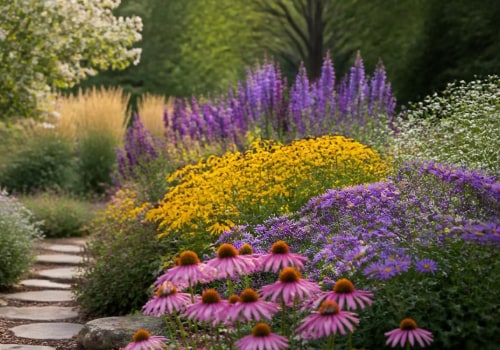
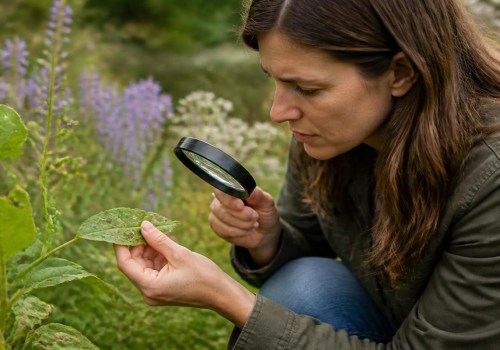
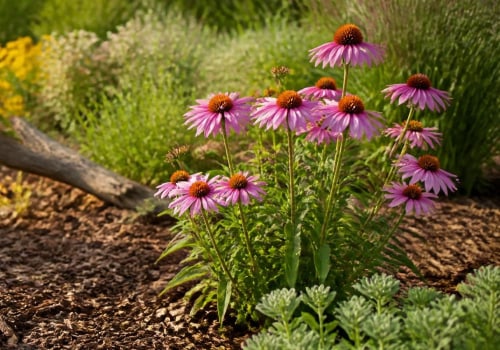
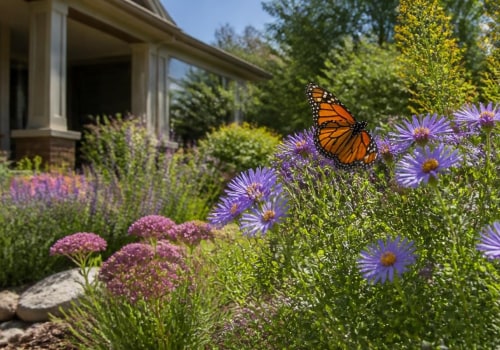
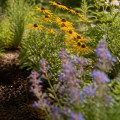
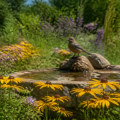
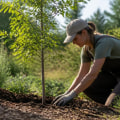
Native plant gardening is an increasingly popular practice that emphasizes the cultivation of plants indigenous to a specific region. This approach not only enhances the beauty of gardens but also plays a crucial role in supporting local ecosystems. By choosing plants that are naturally adapted to the local climate and soil conditions, gardeners can create vibrant landscapes that require less maintenance and fewer resources, such as water and fertilizers. The benefits of native plants extend beyond aesthetics. These plants provide essential habitats for local wildlife, including birds, butterflies, and beneficial insects.
They are also more resilient to pests and diseases, reducing the need for chemical interventions. Furthermore, native plants contribute to soil health and help prevent erosion, making them a sustainable choice for environmentally conscious gardeners. For those new to this gardening style, understanding the basics of native plant gardening is key. It involves selecting the right species for your area, understanding their growth habits, and learning how to create a garden that mimics natural ecosystems. By embracing native plant gardening, you not only beautify your surroundings but also foster a deeper connection with nature and contribute positively to your local environment.
Books on Native Plant Gardening
For those eager to delve deeper into native plant gardening, a wealth of literature exists that can enhance your understanding and skills.Here are some of the best books that every gardener should consider:
- Bringing Nature Home: How You Can Sustain Wildlife with Native Plants by Douglas W. Tallamy - This groundbreaking book emphasizes the importance of native plants in supporting local ecosystems. Tallamy provides practical advice on how to create a garden that attracts and sustains wildlife, making it a must-read for anyone interested in native plant gardening.
- The Plant Lover's Guide to Sedums by Richard E. W.
H. H. - This book focuses on sedums, a versatile group of native plants that thrive in various conditions, making them ideal for gardeners looking to incorporate low-maintenance options into their landscapes.
- Native Plants of the Northeast: A Guide for Gardening and Conservation by Donald J. Leopold - This comprehensive guide covers a wide range of native plants found in the Northeast, offering insights into their ecological roles and practical tips for incorporating them into your garden.
- The Native Plant Primer: 250 Plants for Your Garden by John Greenlee - A fantastic resource for beginners, this book provides an accessible introduction to native plants, complete with descriptions, growing tips, and design ideas.
- Wildflowers of the United States: A Guide to Native Plants by John C. Kricher - This beautifully illustrated guide showcases the diversity of wildflowers across the U.S., making it an excellent reference for identifying and selecting native species for your garden.
Whether you are a novice gardener or an experienced horticulturist, these resources will equip you with the knowledge needed to create a thriving native plant garden.
Online Courses and Workshops
For those eager to delve into native plant gardening, a variety of online courses and workshops are available, catering to different skill levels and interests. These structured learning opportunities not only provide essential knowledge but also connect you with experts and fellow gardening enthusiasts.- University Extension Programs: Many universities offer online courses focused on native plants. For instance, the University of Florida and the University of California have comprehensive programs that cover the ecological benefits of native species, soil health, and sustainable gardening practices.
- Online Learning Platforms: Websites like Coursera and Udemy feature courses specifically on native plant gardening. These platforms often include video lectures, quizzes, and community forums where you can interact with instructors and peers.
- Local Botanical Gardens: Many botanical gardens host virtual workshops that focus on local native plants.
These sessions often include hands-on activities, such as creating a native plant garden plan or identifying local species.
- Webinars and Online Lectures: Organizations like the National Wildlife Federation frequently offer free webinars on topics related to native gardening. These sessions are typically led by experts in the field and cover a range of subjects from plant selection to wildlife habitat creation.
- YouTube Channels: Several gardening enthusiasts and professionals share their knowledge through YouTube. Channels dedicated to native plant gardening provide visual guides on planting techniques, garden design, and maintenance tips.
Websites and Blogs Dedicated to Native Plants
For those interested in native plant gardening, the internet is a treasure trove of resources.Numerous websites and blogs are dedicated to this eco-friendly gardening practice, offering valuable insights, tips, and inspiration. Here are some noteworthy platforms to explore:
- Native Plant Society of North America - This organization provides a wealth of information on native plants, including regional guides, gardening tips, and conservation efforts. Their website features articles and resources tailored to both novice and experienced gardeners.
- Wildflower.org - Managed by the Lady Bird Johnson Wildflower Center, this site offers an extensive database of native plants suitable for various regions. Users can search for plants based on their specific needs, such as soil type and sunlight exposure.
- Garden Design - This blog frequently features articles on native plant gardening, showcasing beautiful gardens and providing practical advice on incorporating native species into your landscape.
- The Prairie Ecologist - A blog that focuses on the ecology of prairies and other ecosystems, it offers insights into the importance of native plants and how to cultivate them effectively.
- Native Plant Finder - Developed by the National Wildlife Federation, this tool allows users to find native plants based on their zip code, making it easier to select species that will thrive in their local environment.
Whether you're looking for specific plant recommendations or general gardening tips, these websites and blogs are excellent starting points for your journey into the world of native plants.
Local Gardening Clubs and Organizations
Engaging with local gardening clubs and organizations is a fantastic way to deepen your knowledge of native plant gardening. These groups often serve as hubs for enthusiasts to share resources, tips, and experiences related to cultivating native plants in their communities.Many local gardening clubs focus specifically on native plants, offering workshops, lectures, and hands-on activities that can enhance your understanding of local ecosystems. By joining these clubs, you can connect with fellow gardeners who share your passion and learn from their successes and challenges.Here are some benefits of participating in local gardening clubs and organizations:- Networking Opportunities: Meet like-minded individuals who are also interested in native plant gardening. This can lead to friendships, mentorships, and collaborative projects.
- Access to Resources: Many clubs provide access to exclusive resources such as native plant sales, seed exchanges, and educational materials that can help you get started or expand your garden.
- Workshops and Events: Participate in hands-on workshops that teach you about the best practices for growing native plants, including soil preparation, pest management, and seasonal care.
- Community Involvement: Engage in community projects that promote the use of native plants in public spaces, helping to restore local habitats and support biodiversity.
Many states have their own chapters that offer localized information and events. Additionally, social media platforms often host groups dedicated to native gardening where you can ask questions and share experiences.In summary, local gardening clubs and organizations are invaluable resources for anyone interested in native plant gardening. They not only provide education and support but also foster a sense of community among gardeners dedicated to preserving and promoting native flora.
Native Plant Nurseries and Suppliers
Finding the right native plants for your garden is crucial for creating a thriving ecosystem that supports local wildlife. One of the best ways to source these plants is through native plant nurseries and suppliers that specialize in local flora.Here are some tips on how to locate them:
- Search Online: Use search engines to find native plant nurseries near me. Many nurseries have websites that provide information about their offerings, including availability and seasonal specials.
- Local Botanical Gardens: Many botanical gardens have native plant sales or can recommend local nurseries that focus on native species. They often host events where you can learn more about native gardening.
- Conservation Organizations: Organizations dedicated to conservation often have resources or lists of recommended suppliers. They may also offer workshops or classes on native plant gardening.
- Community Events: Attend local gardening fairs or plant swaps where native plants are featured.
These events are great opportunities to meet local growers and learn about the best plants for your area.
- Reputation: Look for nurseries with positive reviews and a strong commitment to sustainability and biodiversity.
- Diversity of Plants: A good nursery should offer a wide variety of native plants, including perennials, shrubs, and trees that are suited to your local climate.
- Expertise: Staff should be knowledgeable about the plants they sell and able to provide guidance on care and maintenance.
Social Media Groups and Online Communities
In the digital age, social media has become a powerful tool for gardeners interested in native plant gardening. Numerous platforms host vibrant communities where enthusiasts can share their experiences, ask questions, and exchange tips on cultivating native plants.- Facebook Groups: One of the most popular platforms for connecting with fellow gardeners is Facebook. There are numerous groups dedicated to native plant gardening, such as "Native Plant Enthusiasts" and "Native Plants for Wildlife." These groups often feature discussions on local species, gardening techniques, and even plant swaps.
Members frequently post photos of their gardens, providing inspiration and practical examples of how to incorporate native plants into various landscapes.
- Instagram: Instagram is another excellent resource for visual inspiration. By following hashtags like #NativePlantGardening or #NativePlants, you can discover stunning gardens and innovative designs that highlight the beauty of native flora. Many gardeners share their journeys, from seed starting to full bloom, allowing you to learn from their successes and challenges.
- Reddit Communities: Reddit hosts several subreddits focused on gardening, such as r/gardening and r/nativeplants. These forums provide a space for in-depth discussions, where you can ask specific questions about native plant gardening and receive advice from experienced gardeners across the globe.
- Online Forums: Websites like GardenWeb and the National Wildlife Federation's community forums offer dedicated sections for native plant enthusiasts.
Here, you can engage in conversations about best practices, pest management, and the ecological benefits of using native plants in your garden.
Frequently Asked Questions about Native Plant Gardening
Native plant gardening can raise a variety of questions, especially for those new to the practice. Here are some frequently asked questions that can help clarify common concerns and provide guidance.- What are native plants? Native plants are species that naturally occur in a specific region, having adapted to the local climate, soil, and wildlife. They play a crucial role in supporting local ecosystems.
- Why should I choose native plants for my garden? Native plants require less water, fertilizer, and maintenance compared to non-native species.
They also attract local pollinators and wildlife, promoting biodiversity.
- How do I select the right native plants for my area? Research your local climate and soil conditions. Resources like local extension services or native plant societies can provide lists of suitable species.
- What are some common challenges in native plant gardening? Some gardeners may face issues such as poor soil quality, invasive species, or pests. Understanding your garden's specific conditions can help mitigate these challenges.
- How can I troubleshoot problems in my native garden? If you notice poor growth or pest issues, start by assessing soil health and moisture levels. Consider consulting with local gardening groups or online forums dedicated to native plant gardening for tailored advice.
Conclusion: Embracing Native Plant Gardening Resources
In conclusion, native plant gardening is not just a trend; it is a vital practice that supports local ecosystems and promotes biodiversity.As we have explored throughout this article, there are numerous resources available to help both novice and experienced gardeners deepen their understanding and enhance their skills in this rewarding endeavor. Utilizing a variety of resources can significantly improve your gardening experience. Here are some key types of resources to consider:
- Books and Guides: Numerous publications focus on native plant gardening, offering insights into plant selection, garden design, and maintenance practices. Look for books authored by local experts or those that specifically address your region's flora.
- Online Courses: Many universities and botanical gardens offer online courses that cover the principles of native plant gardening. These courses often include video lectures, interactive forums, and downloadable materials.
- Local Extension Services: Your local agricultural extension office can be an invaluable resource.
They provide tailored advice based on your specific climate and soil conditions, along with workshops and community events.
- Native Plant Societies: Joining a local or regional native plant society can connect you with fellow enthusiasts. These organizations often host events, provide educational materials, and offer plant sales featuring native species.
- Online Communities: Engaging with online forums and social media groups dedicated to native plant gardening can provide support, inspiration, and practical tips from experienced gardeners across the country.