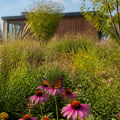
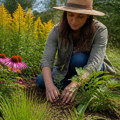
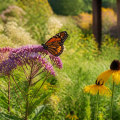
In recent years, native plant gardening has gained popularity among gardeners looking to create sustainable and low-maintenance landscapes. This approach focuses on using plants that are indigenous to a specific region, which not only enhances the local ecosystem but also provides numerous benefits for both the gardener and the environment. For those with limited space, such as urban dwellers or individuals with small yards, incorporating native plants into a small space gardening strategy can be particularly rewarding. One of the primary advantages of native plants is their adaptability to local conditions. These plants have evolved to thrive in their native habitats, requiring less water, fertilizer, and pesticides compared to non-native species.
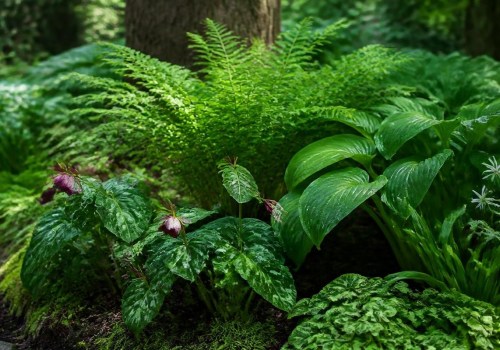
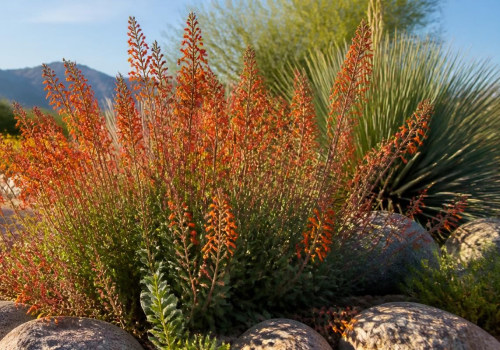
This makes them an excellent choice for gardeners who want to minimize their environmental impact while still enjoying a vibrant garden. Additionally, native plants support local wildlife, including pollinators like bees and butterflies, which are essential for maintaining biodiversity. Incorporating native plants into a container garden or small space can also enhance the aesthetic appeal of your outdoor area. With a wide variety of shapes, colors, and textures available, native plants can create visually stunning displays that reflect the natural beauty of your region. By selecting the right combination of plants, you can design a garden that not only looks great but also contributes positively to the local ecosystem.
Benefits of Using Native Plants in Small Gardens
Incorporating native plants into small gardens offers numerous ecological advantages that benefit both the environment and the gardener.One of the most significant benefits is their ability to attract local wildlife. Native plants provide essential habitats and food sources for pollinators such as bees, butterflies, and birds. By creating a small garden filled with these plants, you contribute to the preservation of local ecosystems and promote biodiversity.Another key advantage of using native plants is their low maintenance requirements. Unlike non-native species, which often require additional watering, fertilization, and pest control, native plants are adapted to the local climate and soil conditions.
This means they typically need less water and are more resilient to local pests and diseases. For gardeners with limited time or resources, this can significantly reduce the effort needed to maintain a healthy garden.Additionally, native plants are often more drought-resistant than their non-native counterparts. This is particularly beneficial in areas prone to dry spells or water restrictions. By choosing native species, you can create a beautiful garden that thrives with minimal irrigation, helping to conserve water resources.Furthermore, native plants can enhance the aesthetic appeal of your garden.
They come in a variety of shapes, sizes, and colors, allowing for creative combinations that reflect the natural beauty of your region. This not only makes your garden visually appealing but also connects you more deeply with your local landscape.In summary, incorporating native plants into small gardens not only supports local wildlife but also offers practical benefits such as low maintenance, drought resistance, and enhanced beauty. By choosing these plants, you can create a sustainable garden that thrives in harmony with nature.
Choosing the Right Native Plants for Your Space
When embarking on native plant gardening, selecting the right plants for your small space or container garden is crucial. The success of your garden largely depends on understanding your local climate, soil type, and the specific conditions of your space.Assessing Your Space
- Sunlight: Determine how much sunlight your garden receives throughout the day.
Some native plants thrive in full sun, while others prefer partial shade.
- Soil Type: Test your soil to understand its composition. Native plants are often adapted to local soil conditions, so knowing whether you have sandy, clay, or loamy soil can guide your choices.
- Water Availability: Consider how much water your plants will receive. Some native species are drought-tolerant, while others may require more moisture.
Choosing the Right Native Plants
Once you have assessed your space, you can begin selecting plants that will thrive in your conditions. Here are some tips:
- Research Local Species: Look for native plants that are well-suited to your region.
Local extension services or native plant societies can provide valuable resources.
- Consider Plant Size: For container gardens, choose smaller native plants that won’t outgrow their pots. Varieties like Coreopsis or Echinacea can be excellent choices.
- Diversity is Key: Incorporate a mix of flowering plants, grasses, and shrubs to create a balanced ecosystem that attracts pollinators and beneficial insects.
Best Native Plants for Containers
If you're limited on space, consider these native plants that do well in containers:
- Black-eyed Susan (Rudbeckia hirta): A hardy perennial that adds vibrant color and attracts butterflies.
- Purple Coneflower (Echinacea purpurea): Known for its medicinal properties and ability to thrive in various conditions.
- Blue Flag Iris (Iris versicolor): A beautiful addition that prefers moist conditions and can tolerate partial shade.
Designing a Small Space Garden with Native Plants
Designing a small space garden with native plants can be both rewarding and visually stunning. By utilizing thoughtful design principles, you can create a garden that not only enhances your outdoor area but also supports local wildlife.Maximizing Vertical Space
- Consider using vertical gardening techniques such as trellises or wall planters. This allows you to grow climbing native plants like Virginia creeper or climbing hydrangea, which can add height and interest without taking up valuable ground space.
- Hanging baskets filled with trailing native plants, such as native ferns or wildflowers, can also create a lush, layered look.
- Incorporate plants of varying heights to create depth.
Place taller native plants like sunflowers or black-eyed Susans at the back of your garden bed, with medium-sized plants like coneflowers in the middle, and shorter ground covers such as creeping thyme in the front.
- This layering technique not only maximizes space but also ensures that each plant gets adequate sunlight.
- If ground space is limited, consider using containers. Choose pots that complement your home’s aesthetic and fill them with a mix of native plants. For example, a combination of native grasses, sages, and wildflowers can create a vibrant display.
- Ensure that your containers have proper drainage and use a quality potting mix to support healthy plant growth.
- Incorporate sustainable practices by using organic fertilizers and mulching to retain moisture. This not only benefits your native plants but also reduces maintenance efforts.
- Create a small compost area to recycle kitchen scraps and yard waste, enriching your soil naturally.
Container Gardening with Native Plants
Container gardening with native plants is an excellent way to bring the beauty of local flora into small spaces.By selecting the right containers and understanding the specific needs of native plants, you can create a thriving garden that supports local ecosystems.
Choosing the Best Containers
- Material: Opt for materials like clay, ceramic, or recycled plastic that provide good insulation and drainage. Avoid metal containers that can overheat.
- Size: Choose containers that are large enough to accommodate the root systems of your native plants. A depth of at least 12 inches is ideal for most species.
- Drainage: Ensure your containers have adequate drainage holes to prevent waterlogging, which can harm native plants.
Soil Requirements
Native plants often thrive in well-draining soil that mimics their natural habitat. Consider using a mix of potting soil and native soil from your area to provide the right nutrients and drainage.
You can also add organic matter like compost to enhance soil fertility.
Caring for Container-Grown Native Plants
- Watering: Native plants typically require less water than non-native species. Water them thoroughly but allow the soil to dry out between watering sessions.
- Fertilization: Use organic fertilizers sparingly, as many native plants are adapted to low-nutrient soils. Over-fertilizing can lead to excessive growth and reduced flowering.
- Sunlight: Position your containers in areas that receive appropriate sunlight based on the specific needs of the plants you choose. Most native plants prefer full sun but check individual requirements.
Whether you’re creating a vibrant patio display or a serene balcony garden, incorporating native species will not only beautify your environment but also support local wildlife.
Maintenance Tips for Native Plant Gardens in Small Spaces
Maintaining a native plant garden in a small space requires attention to detail, but the rewards are well worth the effort. Here are some essential maintenance tips to keep your native plants thriving:Watering Schedule
Native plants are often adapted to local climates, which means they typically require less water than non-native species. However, during the establishment phase, regular watering is crucial. Here are some guidelines:- Initial Watering: Water newly planted native species deeply once or twice a week for the first month.
- Established Plants: Once established, most native plants can thrive on rainfall alone.
Monitor soil moisture and water only during prolonged dry spells.
- Container Gardens: For plants in containers, check moisture levels more frequently, as pots can dry out faster than garden beds.
Fertilization Needs
One of the benefits of native plant gardening is that many native species require minimal fertilization. However, if your soil is particularly poor, consider these tips:- Soil Testing: Conduct a soil test to determine nutrient levels before adding any fertilizers.
- Organic Options: Use organic compost or slow-release fertilizers to provide nutrients without overwhelming your plants.
- Avoid Over-Fertilizing: Too much fertilizer can harm native plants and lead to excessive growth that may not be sustainable.
Pest Management
Pest issues can arise even in small gardens, but native plants often have natural defenses against local pests. Here are some strategies for effective pest management:- Encourage Beneficial Insects: Plant a variety of native flowers to attract pollinators and predatory insects that help control pest populations.
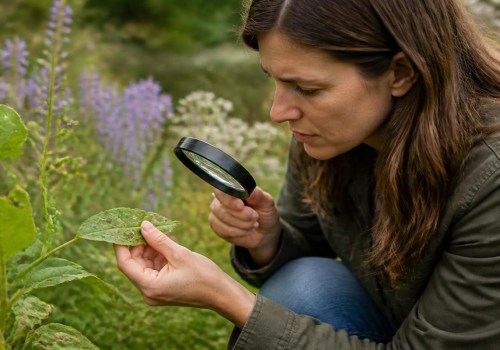
- Regular Monitoring: Check your plants regularly for signs of pests or disease. Early detection is key to managing issues before they escalate.
- Avoid Chemicals: Whenever possible, use organic pest control methods to protect the ecosystem and maintain the health of your garden.
With proper care, these resilient plants will not only beautify your environment but also support local wildlife and promote biodiversity.
Common Challenges and Solutions in Native Plant Gardening
Incorporating native plants into a small space or container garden can present unique challenges, but understanding these issues and their solutions can lead to a thriving garden. Here are some common challenges and practical solutions for native plant gardening.Space Limitations
One of the primary challenges in small gardens is limited space. Native plants can vary significantly in size, and selecting the right species is crucial. To address this:- Choose compact varieties: Look for dwarf or low-growing native plants that fit well in confined areas.
- Vertical gardening: Utilize vertical space by incorporating trellises or wall planters to grow climbing native plants.
- Layering: Use a tiered approach with taller plants at the back and shorter ones in front to maximize visual interest without overcrowding.
Soil Quality
Many gardeners struggle with poor soil quality, which can hinder the growth of native plants.To improve soil conditions:
- Test your soil: Conduct a soil test to determine pH and nutrient levels, allowing you to amend it appropriately.
- Add organic matter: Incorporate compost or well-rotted manure to enhance soil structure and fertility.
- Select adaptable species: Choose native plants known for their resilience in various soil types.
Pest Management
Pests can pose a significant threat to native plants, especially in small gardens where plants are closely spaced. To manage pests effectively:- Encourage beneficial insects: Plant a variety of native flowers that attract pollinators and predatory insects, which can help control pest populations.
- Natural repellents: Use organic pest control methods, such as neem oil or insecticidal soap, to minimize damage without harming beneficial organisms.
- Regular monitoring: Keep an eye on your plants for early signs of pest infestations, allowing for prompt action.
FAQs About Native Plant Gardening in Small Spaces
When it comes to native plant gardening in small spaces, many gardeners have questions about how to effectively utilize their limited area. Here are some frequently asked questions that can help clarify common concerns:What are native plants?
Native plants are species that naturally occur in a specific region and have adapted to the local climate, soil, and wildlife. They require less maintenance and are more resilient than non-native species, making them ideal for small gardens.How can I choose the right native plants for my small garden?
When selecting native plants, consider the following:- Climate: Choose plants that thrive in your local climate zone.
- Soil type: Assess your soil conditions and select plants that will flourish in them.
- Sunlight: Determine how much sunlight your space receives and pick plants accordingly.
Can I grow native plants in containers?
Absolutely! Growing native plants in containers is a fantastic way to incorporate them into small spaces.Ensure that:
- The container has adequate drainage.
- You use high-quality potting soil suitable for the specific native plant.
- You choose appropriately sized containers to accommodate the plant's growth.
What are some tips for maintaining a native plant garden in a small space?
To keep your native plant garden thriving:- Watering: Native plants typically require less water once established, but ensure they receive adequate moisture during dry spells.
- Mulching: Apply mulch to retain soil moisture and suppress weeds.
- Pruning: Regularly prune your plants to encourage healthy growth and prevent overcrowding.
Conclusion: Embracing Native Plant Gardening in Your Small Space
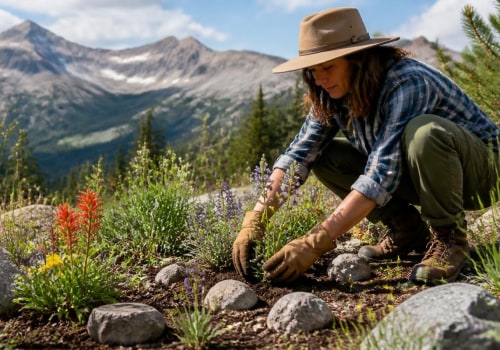
In conclusion, native plant gardening offers a multitude of benefits, especially for those working with limited space. By choosing plants that are indigenous to your region, you not only create a beautiful and vibrant garden but also contribute to the local ecosystem. These plants are well-adapted to the local climate and soil conditions, making them easier to maintain and more resilient against pests and diseases.Throughout this article, we explored various strategies for incorporating native plants into small spaces and container gardens. From selecting the right species that thrive in confined areas to utilizing vertical gardening techniques, there are numerous ways to maximize your gardening potential.Additionally, we discussed the importance of creating layers in your garden design, which can enhance visual interest while providing habitats for local wildlife.Moreover, using native plants can significantly reduce water usage and the need for chemical fertilizers, aligning with sustainable gardening practices. This not only benefits your garden but also contributes positively to the environment by promoting biodiversity.As you embark on your journey into native plant gardening, consider starting small. Choose a few native species that appeal to you and gradually expand your garden as you gain confidence and experience. Remember, every little effort counts towards creating a greener planet.Embrace the beauty and resilience of native plants in your small space or container garden.
By doing so, you are not just cultivating a garden; you are fostering a thriving ecosystem that supports local wildlife and enhances the natural beauty of your surroundings.