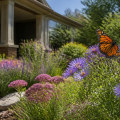
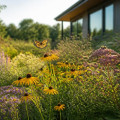
Native plant gardening is a practice that focuses on cultivating plants that are indigenous to a specific region. This approach not only enhances the beauty of your landscape but also plays a crucial role in supporting local ecosystems. By choosing native plants, gardeners can create vibrant spaces that thrive with minimal maintenance, as these plants are well-adapted to the local climate and soil conditions. The benefits of native plant gardening extend beyond aesthetics. Native plants provide essential habitats for local wildlife, including birds, butterflies, and beneficial insects.
They contribute to biodiversity, which is vital for a healthy ecosystem. Additionally, native plants often require less water and fewer chemical inputs compared to their non-native counterparts, making them a more sustainable choice for environmentally conscious gardeners. When comparing native plants to non-native plants, it becomes clear that native species offer unique advantages. Non-native plants can sometimes become invasive, outcompeting local flora and disrupting the balance of the ecosystem. In contrast, native plants coexist harmoniously with their environment, promoting a thriving garden that supports both human enjoyment and ecological health.
By understanding the significance of native plant gardening, you can make informed choices that benefit both your garden and the planet.
Choosing the Right Native Plants for Your Region
Creating a thriving native plant garden begins with choosing the right native plants for your specific region. Understanding your local ecosystem is crucial, as it directly influences which plants will flourish in your garden.1.Research Your Local Climate
- Identify your USDA Plant Hardiness Zone, which indicates the minimum temperatures your area experiences.
- Consider rainfall patterns and seasonal variations, as these factors affect plant growth and survival.
- Take note of soil types in your area, as some native plants prefer sandy soils while others thrive in clay or loamy conditions.
2.Explore Regional Native Plants
Once you have a grasp of your local climate, start exploring regional native plants. These plants are adapted to your environment and often require less maintenance than non-native species. Here are some tips:
- Visit local botanical gardens or nature reserves to see which native plants are thriving in your area.
- Consult with local gardening clubs or extension services for recommendations on native species that perform well in your region.
- Utilize online resources or databases that specialize in native plants to find lists tailored to your state or region.
3.Consider Local Ecosystems
Understanding the ecosystems in your area can also guide your plant selection:
- If you live near wetlands, consider plants that thrive in moist conditions, such as swamp milkweed or blue flag iris.
- For dry, sandy areas, look for drought-resistant species like black-eyed Susans or coneflowers.
- Acknowledge the wildlife in your area; select plants that provide food and habitat for local pollinators and birds.
Designing Your Native Plant Garden Layout
Creating a visually appealing and functional native plant garden requires thoughtful design principles.Here are some essential tips to help you craft a layout that not only showcases the beauty of native plants but also supports local wildlife.
Consider Your Space
Before planting, assess the available space. Take note of sunlight exposure, soil type, and moisture levels. This information will guide your plant selection and placement. For instance, sun-loving natives like coneflowers thrive in full sun, while ferns prefer shaded areas.Layering for Visual Interest
Utilize a layering technique to create depth in your garden.Place taller plants at the back or center of beds, with medium-height plants in front and shorter ones at the edges. This not only enhances visibility but also allows for better air circulation and light penetration. Consider using:
- Tall plants: Sunflowers, Joe Pye weed
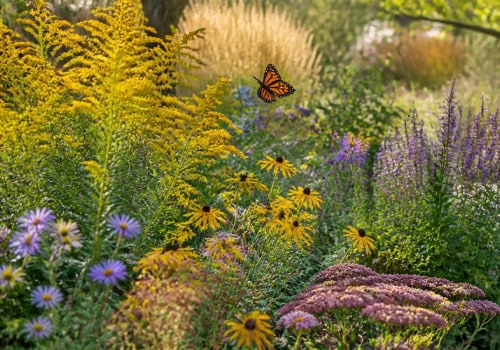
- Medium plants: Black-eyed Susans, asters
- Short plants: Wild strawberries, creeping thyme
Spacing for Growth
Proper spacing is crucial for the health of your native plants. Overcrowding can lead to competition for resources and increased susceptibility to pests.Follow the recommended spacing guidelines for each species, typically found on plant tags or in gardening resources. A good rule of thumb is to allow at least 12-24 inches between plants, depending on their mature size.
Companion Planting with Natives
Companion planting can enhance the growth and resilience of your native garden. Certain plants can benefit each other by attracting beneficial insects or repelling pests. For example:- Purple coneflower pairs well with black-eyed Susans, attracting pollinators.
- Asters can be planted alongside goldenrod, providing a continuous bloom throughout the season.
Planting Techniques for Native Plants
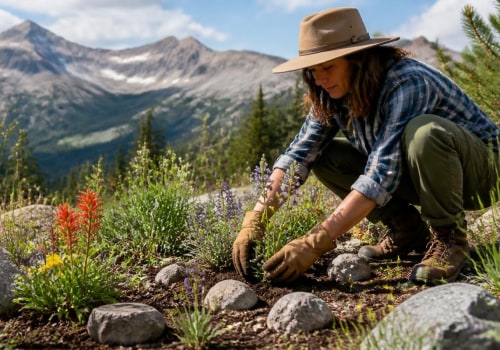
Creating a thriving native plant garden begins with understanding the planting techniques that best suit these species.Proper soil preparation is crucial for ensuring that your native plants establish strong roots and flourish throughout the seasons.
Soil Preparation
- Assess Soil Quality: Before planting, conduct a soil test to determine pH levels and nutrient content. Native plants often prefer well-drained soils that mimic their natural habitats.
- Amend the Soil: Based on your soil test results, you may need to amend your soil. Incorporate organic matter such as compost or well-rotted manure to improve soil structure and fertility.
- Tilling: Lightly till the soil to a depth of about 12 inches to aerate it and mix in amendments. Be careful not to disturb existing soil layers too much, as this can disrupt beneficial microorganisms.
Planting Techniques
- Timing: The best time to plant native species is during the early spring or fall when temperatures are moderate, allowing plants to establish before extreme weather conditions.
- Spacing: Follow recommended spacing guidelines for each species to ensure adequate air circulation and sunlight exposure.
Overcrowding can lead to competition for resources and hinder growth.
- Planting Depth: Dig holes that are twice as wide as the root ball but no deeper than the root ball itself. This encourages lateral root growth and prevents water from pooling around the base of the plant.
- Watering: After planting, water thoroughly to settle the soil around the roots. Continue to monitor moisture levels, especially during dry spells, until plants are established.
Maintaining Your Native Plant Garden Year-Round
Maintaining a native plant garden year-round requires a thoughtful approach to care that aligns with the natural cycles of the plants. By understanding the seasonal needs of your garden, you can ensure that it remains vibrant and healthy throughout the year.Seasonal Care for Native Plants
- Spring: As temperatures rise, begin by removing any dead foliage from the previous season.
This not only tidies up the garden but also allows new growth to emerge. Consider applying a layer of organic mulch to retain moisture and suppress weeds.
- Summer: During the hotter months, monitor your plants for signs of stress, such as wilting or yellowing leaves. Water deeply but infrequently to encourage deep root growth. Deadhead spent flowers to promote further blooming and prevent self-seeding.
- Fall: This is an ideal time for planting new native species, as cooler temperatures help reduce transplant shock.
Cut back perennials after they have finished blooming, but leave some seed heads for birds and winter interest.
- Winter: While many native plants go dormant, it's important to protect them from harsh winter conditions. Consider using burlap screens or mulch to shield sensitive plants from extreme cold and wind.
Pest Management in Native Gardens
Pest management is crucial for maintaining a healthy native plant garden. Fortunately, native plants often attract beneficial insects that can help control pest populations naturally. Here are some strategies:- Encourage Biodiversity: Plant a variety of native species to attract different beneficial insects, such as ladybugs and lacewings, which prey on common pests.
- Monitor Regularly: Keep an eye on your plants for any signs of pest infestations.
Early detection is key to managing issues before they escalate.
- Avoid Chemicals: Whenever possible, refrain from using chemical pesticides that can harm beneficial insects. Instead, consider organic options like neem oil or insecticidal soap.
Attracting Wildlife to Your Native Plant Garden
Creating a wildlife-friendly garden is one of the most rewarding aspects of native plant gardening. By incorporating native plants, you not only enhance the beauty of your garden but also provide essential habitats for various forms of wildlife, including pollinators and birds.Attracting Pollinators with Natives
- Bees: Native flowering plants such as coneflowers, milkweeds, and asters are particularly attractive to bees. These plants offer nectar and pollen, which are vital for their survival.
- Butterflies: To attract butterflies, consider planting host plants like milkweed for monarchs or parsley for swallowtails.
These plants serve as both food sources and breeding grounds.
- Hummingbirds: Brightly colored tubular flowers like trumpet vine and bee balm can draw in hummingbirds, providing them with a rich source of nectar.
Benefits of Wildlife in Gardens
- Natural Pest Control: Birds and beneficial insects help control pest populations naturally, reducing the need for chemical pesticides.
- Soil Health: Wildlife contributes to soil health through natural processes like pollination and nutrient cycling, which can enhance plant growth.
- Biodiversity: A diverse garden ecosystem supports a variety of species, which can lead to a more resilient garden overall.
Common Challenges in Native Plant Gardening and How to Overcome Them
Creating a thriving native plant garden can be incredibly rewarding, but it also comes with its own set of challenges. Understanding these common issues and knowing how to address them is key to maintaining a successful garden.1.Soil Quality
Many native plants thrive in specific soil conditions. Poor soil quality can hinder their growth.To improve soil health, consider the following:
- Test your soil: Use a soil test kit to determine pH and nutrient levels.
- Add organic matter: Incorporate compost or well-rotted manure to enhance soil structure and fertility.
- Choose the right plants: Select native species that are well-suited to your existing soil conditions.
2.Watering Issues
While many native plants are drought-tolerant, they still require adequate moisture during establishment. Here are some tips:- Water deeply: Ensure that new plants receive deep watering to encourage strong root development.
- Mulch: Apply a layer of mulch around plants to retain moisture and suppress weeds.
- Monitor rainfall: Adjust your watering schedule based on seasonal rainfall patterns.
3.Pest Management
Pests can pose a threat to your native plants, but there are eco-friendly ways to manage them:- Encourage beneficial insects: Plant a variety of flowers that attract pollinators and predatory insects.
- Avoid pesticides: Use organic methods such as neem oil or insecticidal soap when necessary.
- Regular monitoring: Keep an eye on your plants for early signs of pest infestations.
4.Competition from Weeds
Weeds can quickly outcompete native plants for resources. To manage weeds effectively:- Regular maintenance: Regularly check for and remove weeds by hand or with tools.
- Use landscape fabric: Consider using landscape fabric in new planting areas to suppress weed growth.
- Create dense plantings: Plant native species closely together to reduce space for weeds to establish.
Conclusion: Embracing Native Plant Gardening for a Sustainable Future
In conclusion, native plant gardening is not just a trend; it is a vital practice that contributes to the health of our ecosystems and the beauty of our landscapes. By choosing plants that are indigenous to your region, you create a garden that thrives with minimal intervention, supports local wildlife, and enhances biodiversity.Throughout this article, we have explored various strategies for establishing a year-round blooming native plant garden.From selecting the right plants to understanding their growth cycles, each step plays a crucial role in ensuring your garden remains vibrant and sustainable. Here are some key takeaways:
- Choose the Right Plants: Select native species that bloom at different times throughout the year to ensure continuous color and interest.
- Soil Health: Focus on improving soil quality through organic matter and natural amendments to support healthy plant growth.
- Water Management: Implement efficient watering practices, such as rain gardens or drip irrigation, to conserve water while keeping your plants hydrated.
- Pest Management: Embrace natural pest control methods by attracting beneficial insects that help maintain balance in your garden.
Together, we can cultivate gardens that are not only beautiful but also beneficial for our planet.