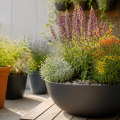
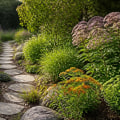
In recent years, native plant gardening has gained significant traction among landscape designers and gardening enthusiasts alike. This approach emphasizes the use of plants that are indigenous to a specific region, promoting biodiversity and ecological balance. While many may associate native plants with informal, wild landscapes, they can also play a pivotal role in formal garden design. By understanding the unique characteristics and benefits of native plants, gardeners can create stunning formal gardens that are both aesthetically pleasing and environmentally sustainable. One of the primary advantages of incorporating native plants into formal gardens is their adaptability to local climates and soils.
These plants have evolved over time to thrive in their native environments, requiring less water, fertilizer, and maintenance compared to non-native species. This not only reduces the gardener's workload but also minimizes the environmental impact associated with traditional gardening practices. Furthermore, native plants provide essential habitats for local wildlife, including pollinators like bees and butterflies, which are crucial for maintaining healthy ecosystems. Integrating native plants into a formal garden design does not mean sacrificing elegance or structure. On the contrary, many native species offer striking forms, vibrant colors, and seasonal interest that can enhance the overall aesthetic of a garden.
By carefully selecting and arranging these plants, gardeners can achieve a harmonious balance between formality and natural beauty. As we delve deeper into this topic, we will explore practical strategies for incorporating native plants into formal designs while highlighting their numerous benefits.
The Aesthetic Appeal of Native Plants in Formal Gardens
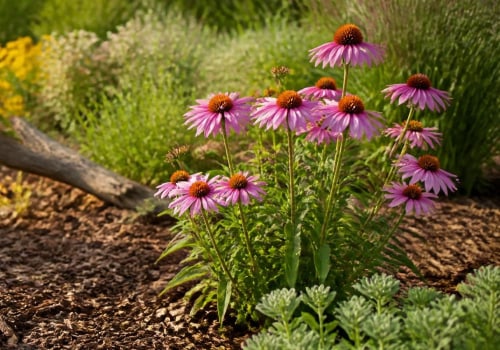
Incorporating native plants into a formal garden design can significantly enhance its aesthetic value. These plants, which are naturally adapted to the local environment, offer unique textures, colors, and forms that can complement traditional garden styles while promoting biodiversity.One of the key principles of formal garden design is symmetry. Native plants can be arranged in symmetrical patterns, creating a sense of order and balance.For instance, using native flowering perennials like echinacea or rudbeckia in evenly spaced clusters can provide vibrant pops of color that draw the eye and maintain the structured look typical of formal gardens.
Visual Appeal Through Seasonal Interest
- Seasonal Variation: Native plants often bloom at different times throughout the year, ensuring that your garden remains visually appealing across seasons. This dynamic quality can add depth to a formal design.
- Textural Diversity: The varied leaf shapes and sizes of native plants can create interesting contrasts against the more uniform elements typically found in formal gardens.
- Color Harmony: Many native plants have colors that harmonize well with traditional garden palettes, allowing for a seamless integration into existing designs.
Choosing the Right Native Plants for Formal Gardens
When it comes to native plant gardening in a formal garden design, selecting the right species is crucial for achieving both aesthetic appeal and ecological harmony.Here are some key considerations to guide your plant selection:
Best Native Plants for Formal Gardens
- Boxwood (Buxus spp.) : While not native to all regions, boxwood can be a staple in many formal gardens, providing structure and year-round greenery.
- Eastern Redbud (Cercis canadensis) : This small tree offers stunning spring blooms and heart-shaped leaves, making it an excellent focal point.
- Black-eyed Susan (Rudbeckia hirta) : With its bright yellow petals and dark centers, this perennial adds vibrant color while attracting pollinators.
- Butterfly Weed (Asclepias tuberosa) : Known for its striking orange flowers, this plant is not only beautiful but also supports local butterfly populations.
- Wild Geranium (Geranium maculatum) : This low-growing perennial provides a soft touch with its delicate flowers and lush foliage.
Regional Considerations
Understanding your local climate and soil conditions is essential when choosing native plants. For instance:- Northeast: Consider plants like New England Aster and Mountain Laurel, which thrive in the region's varied climates.
- Southeast: Species such as Southern Magnolia and Pawpaw are well-suited for the warmer temperatures and humidity.
- Midwest: Look for resilient options like Prairie Dropseed and Wild Bergamot, which can withstand the region's extremes.
- West: In arid areas, consider drought-tolerant natives like Sagebrush and Lavender.
Design Techniques for Integrating Native Plants
Integrating native plants into a formal garden design can create a stunning visual impact while promoting biodiversity. Here are some effective design techniques to consider:- Structured Layout: Maintain a structured layout by using geometric shapes and defined pathways.
Consider planting native species in symmetrical patterns or along straight lines to enhance the formal aesthetic.
- Layering Plants: Use a layering technique to create depth and interest. Place taller native plants at the back of borders, medium-height plants in the middle, and shorter varieties at the front. This not only adds dimension but also ensures that all plants are visible.
- Color Coordination: Choose native plants that complement each other in terms of color. For example, pairing vibrant wildflowers with lush green foliage can create a striking contrast while maintaining a cohesive look.
- Focal Points: Incorporate focal points using native plants that stand out, such as flowering dogwoods or ornamental grasses.
These can serve as eye-catching elements within the garden, drawing attention and providing structure.
- Formal Edging: Use formal edging techniques with native ground covers or low-growing plants to define garden beds. This helps to create clean lines and enhances the overall organization of the space.
Maintenance Considerations for Native Plant Formal Gardens
Maintaining a formal garden that incorporates native plants requires a thoughtful approach to ensure both the health of the plants and the overall aesthetic of the garden.While native plants are generally more resilient and adapted to local conditions, they still require specific care to thrive in a structured environment.
Regular Maintenance Tasks
- Watering: Native plants typically need less water than non-native species, but during establishment, regular watering is crucial. Aim for deep watering sessions to encourage deep root growth.
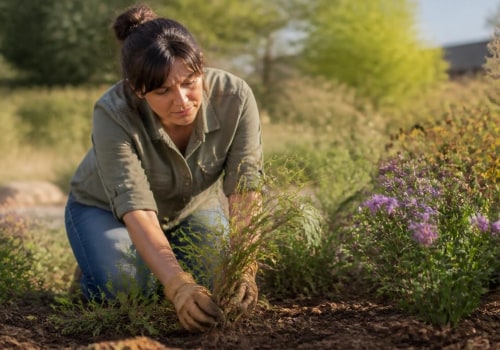
- Mulching: Applying a layer of organic mulch can help retain moisture, suppress weeds, and improve soil quality as it breaks down. This is particularly important in formal gardens where aesthetics matter.
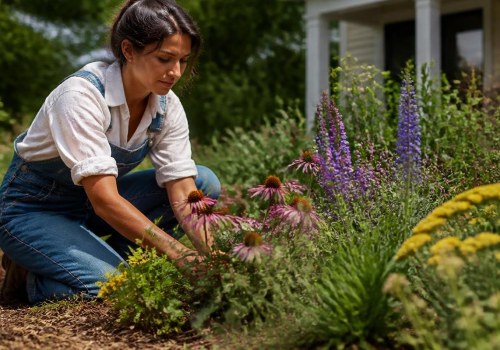
- Pruning: Regular pruning helps maintain the desired shape and size of native plants. It also encourages new growth and flowering, which enhances the garden's visual appeal.
- Pest Management: While native plants are often more resistant to pests, monitoring for any infestations is essential.
Use integrated pest management (IPM) strategies that focus on natural solutions.
Sustainability Practices
Incorporating sustainable practices into your maintenance routine not only benefits the environment but also enhances the longevity of your formal garden. Here are some effective strategies:- Composting: Create a compost system to recycle garden waste and provide nutrient-rich soil amendments for your native plants.
- Organic Fertilizers: Use organic fertilizers to promote healthy growth without harming beneficial insects or soil organisms.
- Seasonal Planting: Plan your planting schedule around local climate patterns to ensure that your native plants are well-suited for seasonal changes.
Case Studies: Successful Native Plant Formal Gardens
Incorporating native plants into formal garden designs can yield stunning results, as demonstrated by several successful case studies. These gardens not only showcase the beauty of local flora but also promote biodiversity and sustainability.1.The High Line, New York City
The High Line is a prime example of a formal garden that integrates native plants within an urban landscape. Originally an elevated railway, this park features a carefully curated selection of native species such as New York ironweed and purple coneflower.The design emphasizes clean lines and structured planting beds, creating a visually appealing contrast against the city backdrop while supporting local wildlife.
2.The Lady Bird Johnson Wildflower Center, Texas
This center is dedicated to promoting native plant gardening and showcases a variety of formal garden designs that utilize Texas native plants. One notable area is the Native Plant Garden, which features geometric layouts filled with vibrant wildflowers like bluebonnets and Mexican hat flowers. The use of native plants not only enhances the aesthetic appeal but also educates visitors on the importance of preserving local ecosystems.3.The Chicago Botanic Garden
The Chicago Botanic Garden includes a formal garden section that highlights native plants in a structured setting. The Native Plant Garden showcases a variety of species arranged in well-defined beds, demonstrating how native plants can be used to create elegant designs.Visitors can enjoy the seasonal changes in color and texture while learning about the ecological benefits of these plants.These case studies illustrate that native plant gardening can successfully coexist with formal design principles. By drawing inspiration from these examples, gardeners can create beautiful, sustainable spaces that honor local ecosystems while maintaining an elegant aesthetic.
Common Misconceptions About Native Plants in Formal Design
When considering native plant gardening within a formal garden design, several misconceptions can cloud judgment. Understanding these myths is crucial for making informed decisions.- Myth 1: Native plants are too wild for formal gardens. Many believe that native plants lack the structure and formality required in traditional designs. In reality, numerous native species exhibit strong architectural qualities and can be pruned or shaped to fit a more structured aesthetic.
- Myth 2: Native plants are not visually appealing. This misconception overlooks the beauty and diversity of native flora.
Many native plants offer stunning blooms, vibrant foliage, and unique textures that can enhance the visual appeal of any garden.
- Myth 3: Native plants require less maintenance, making them easier to manage. While it’s true that many native plants are adapted to local conditions and may require less water or fertilizer, they still need proper care. Understanding their specific needs is essential to ensure they thrive in a formal setting.
- Myth 4: Using native plants limits design options. On the contrary, incorporating native plants can expand your design palette. With a wide variety of colors, shapes, and sizes available, gardeners can create dynamic and visually interesting landscapes that still adhere to formal principles.
Conclusion: Embracing Native Plants in Formal Garden Design
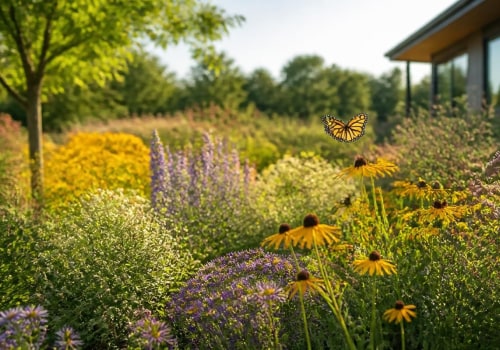
In conclusion, integrating native plants into formal garden designs is not only feasible but also beneficial for both aesthetics and ecology.As we have explored, native plants offer a unique opportunity to create visually striking landscapes that reflect the natural beauty of the local environment. One of the primary advantages of using native plants is their adaptability to local conditions. These plants are well-suited to the climate, soil, and wildlife of their native regions, which means they require less maintenance and fewer resources compared to non-native species. This can lead to a more sustainable garden that conserves water and reduces the need for chemical fertilizers and pesticides. Moreover, incorporating native plants can enhance biodiversity in your garden. By attracting local pollinators such as bees and butterflies, you contribute to the health of the ecosystem while adding dynamic elements to your formal design.
The interplay between structured layouts and the organic forms of native flora can create a harmonious balance that is both elegant and inviting. When planning your formal garden, consider the following:
- Design Cohesion: Choose native plants that complement the architectural features of your garden. For instance, pairing tall native grasses with low-growing perennials can create layers that add depth and interest.
- Seasonal Interest: Select a variety of native species that bloom at different times throughout the year. This ensures that your garden remains vibrant and engaging across all seasons.
- Wildlife Support: Incorporate plants that provide food and habitat for local wildlife, enhancing the ecological value of your garden.