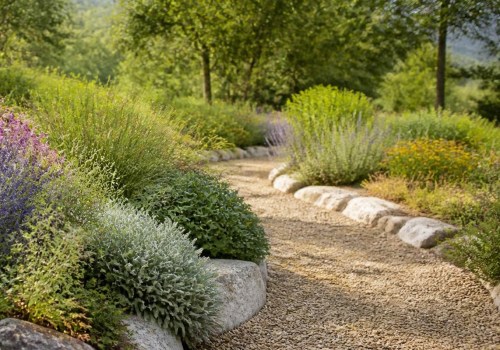
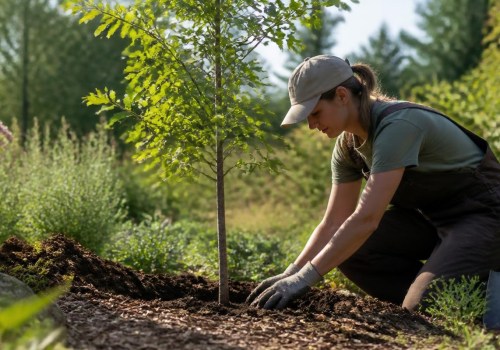
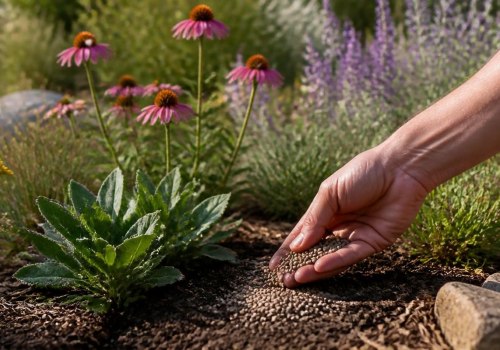
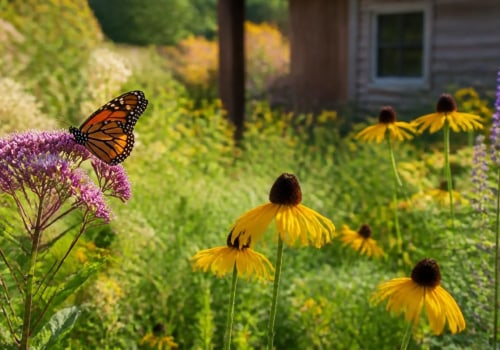
Native plants are species that have evolved in a specific region over thousands of years, adapting to the local climate, soil, and wildlife. These plants play a crucial role in maintaining the ecological balance of their environments. By understanding what native plants are, we can appreciate their significance in supporting local ecosystems and biodiversity. Unlike non-native species, which can often disrupt local habitats, native plants provide essential resources for native wildlife, including food and shelter. The importance of native plant gardening extends beyond aesthetics; it fosters a healthier environment.
Native plants are typically more resilient to local pests and diseases, requiring less water and maintenance than their non-native counterparts. This not only conserves resources but also reduces the need for chemical fertilizers and pesticides, promoting a more sustainable gardening practice. By incorporating native species into our gardens, we can create vibrant landscapes that support pollinators like bees and butterflies, which are vital for the reproduction of many plants. Moreover, engaging in native plant gardening offers numerous benefits for homeowners and communities alike. It enhances the beauty of our surroundings while contributing to the preservation of local flora and fauna.
As we cultivate these plants, we also foster a deeper connection to our natural heritage, encouraging stewardship of the land. In essence, embracing native plants is not just about gardening; it’s about nurturing our ecosystems and ensuring that they thrive for generations to come.
Identifying Native Plants in Your Region
Identifying native plants in your region is a rewarding endeavor that enhances your understanding of local ecosystems and supports biodiversity. Here are some effective strategies to help you recognize and appreciate the flora native to your area.Utilize Field Guides
Field guides are invaluable resources for identifying regional native plants. Look for guides specific to your state or region, as they often include detailed descriptions, photographs, and information about the plants' habitats.Popular options include:
- The National Audubon Society Field Guide to North American Wildflowers
- Peterson Field Guides
- Wildflowers of North America
Online Resources and Apps
In the digital age, numerous online platforms and mobile applications can assist in plant identification. Websites like Lady Bird Johnson Wildflower Center and apps such as PlantSnap or iNaturalist allow you to upload photos and receive instant feedback on plant species.Join Local Gardening Groups
Connecting with local gardening clubs or native plant societies can provide firsthand knowledge about local flora identification. Members often share their experiences, tips, and even organize field trips to observe native plants in their natural habitats.Observe Seasonal Changes
Understanding the seasonal cycles of plants can greatly aid in identification. Many native plants bloom at specific times of the year, so keeping a journal of what you see during different seasons can help you recognize patterns and species.By utilizing these resources and engaging with your community, you can become proficient in identifying native plants in your region.This knowledge not only enriches your gardening experience but also contributes to the conservation of local ecosystems.
Popular Native Plants by Region
When it comes to native plant gardening, understanding the specific plants that thrive in your region is crucial. Here are some popular native plants categorized by different regions in the United States:Northeast
- Eastern Redbud (Cercis canadensis) : This small tree is known for its stunning pink flowers that bloom in early spring. It attracts pollinators and provides beautiful foliage in the fall.
- Black-eyed Susan (Rudbeckia hirta) : A perennial favorite, this flower features bright yellow petals and a dark center, making it a vibrant addition to any garden.
Southeast
- Southern Magnolia (Magnolia grandiflora) : Renowned for its large, fragrant white flowers and glossy leaves, this tree is a staple in southern gardens.
- Butterfly Weed (Asclepias tuberosa) : This bright orange perennial is not only beautiful but also serves as a host plant for monarch butterflies.
Midwest
- Prairie Dropseed (Sporobolus heterolepis) : A graceful grass that adds texture to gardens, it is drought-tolerant and attracts various wildlife.
- Wild Bergamot (Monarda fistulosa) : With its lavender blooms and minty fragrance, this plant is excellent for attracting bees and butterflies.
West
- California Poppy (Eschscholzia californica) : The state flower of California, this vibrant orange poppy thrives in sunny areas and is drought-resistant.
- Western Red Cedar (Thuja plicata) : A majestic tree that provides habitat for wildlife and is valued for its aromatic wood.
Benefits of Native Plant Gardening
Incorporating native plants into your garden offers a multitude of benefits that extend beyond mere aesthetics. One of the most significant advantages is the ecological impact these plants have on local ecosystems.Ecological Benefits
Native plants are well-adapted to the local climate and soil conditions, which means they require less water and fewer resources to thrive.This adaptability helps to conserve water and reduce the need for chemical fertilizers and pesticides, promoting a healthier environment. Additionally, native plants play a crucial role in supporting local wildlife. They provide essential habitats and food sources for various species, including birds, butterflies, and beneficial insects. By creating a garden filled with native flora, you contribute to the preservation of biodiversity in your area.
Low Maintenance Gardening
Another compelling reason to embrace native plant gardening is the low maintenance it typically requires.Once established, native plants are generally more resilient to pests and diseases compared to non-native species. This resilience translates into less time spent on upkeep, allowing gardeners to enjoy their outdoor spaces without the constant worry of invasive species or excessive watering. Furthermore, many native plants have deep root systems that help improve soil health and reduce erosion, making them an excellent choice for sustainable gardening.
Supporting Local Ecosystems
By choosing native plants, you are not only enhancing your garden's beauty but also playing a vital role in supporting local ecosystems. These plants are integral to maintaining the balance of nature in your region.They help prevent soil erosion, improve air quality, and contribute to the overall health of the environment.In summary, gardening with native plants offers numerous benefits that include ecological advantages, low maintenance requirements, and support for local wildlife. By making this choice, you can create a thriving garden that is both beautiful and beneficial to your community.
How to Start a Native Plant Garden
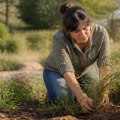
Starting a native plant garden can be a rewarding endeavor that not only enhances your landscape but also supports local ecosystems. Here are some practical steps to help you get started:Planning Your Native Garden
Before you dig into the soil, take some time to plan your garden. Consider the following:- Site Assessment: Evaluate your garden space for sunlight, shade, and moisture levels.
Different native plants thrive in different conditions.
- Design Layout: Sketch a layout that includes various plant heights and colors to create visual interest. Group plants with similar water and light needs together.
- Research Local Flora: Identify native plants that are well-suited to your region. Resources like local extension services or native plant societies can provide valuable information.
Soil Preparation
The health of your soil is crucial for the success of your native plant garden. Follow these steps:- Test Your Soil: Conduct a soil test to determine pH and nutrient levels.
This will help you understand what amendments may be necessary.
- Add Organic Matter: Incorporate compost or well-rotted manure to improve soil structure and fertility.
- Avoid Chemicals: Refrain from using synthetic fertilizers or pesticides, as they can harm beneficial organisms in the soil.
Selecting the Right Plants
Choosing the right plants is essential for creating a thriving native garden. Here are some tips:- Diversity is Key: Select a variety of plants, including grasses, wildflowers, and shrubs, to attract different pollinators and wildlife.
- Seasonal Interest: Choose plants that bloom at different times throughout the growing season to ensure continuous color and habitat.
- Local Adaptation: Opt for plants that are adapted to your specific area’s climate and soil conditions for better survival rates.
Common Mistakes in Native Plant Gardening
When embarking on native plant gardening, many enthusiasts inadvertently make mistakes that can hinder their success. Understanding these common pitfalls is essential for creating a thriving native garden.- Choosing the Wrong Plants: One of the most frequent errors is selecting plants that are not well-suited to the local climate or soil conditions. Always research which native species thrive in your specific region and microclimate.
- Ignoring Soil Health: Native plants often have specific soil requirements.
Failing to assess and amend your soil can lead to poor plant performance. Conduct a soil test to determine pH and nutrient levels, and amend accordingly.
- Overwatering: Many gardeners assume that native plants require the same watering regimen as non-natives. In reality, most natives are adapted to local rainfall patterns and may suffer from overwatering. Establish a watering schedule that mimics natural conditions.
- Neglecting Maintenance: While native plants are generally low-maintenance, they still require some care.
Regularly remove weeds, deadhead spent flowers, and monitor for pests to keep your garden healthy.
- Planting Too Close Together: Overcrowding can lead to competition for resources, stunted growth, and increased susceptibility to disease. Follow recommended spacing guidelines for each species to ensure adequate air circulation and light exposure.
- Using Invasive Species: Some gardeners mistakenly introduce non-native plants that can outcompete local flora. Always verify that the plants you choose are truly native and not invasive in your area.
Frequently Asked Questions About Native Plant Gardening
Native plant gardening is a rewarding endeavor that not only enhances the beauty of your landscape but also supports local ecosystems.Here are some frequently asked questions about native plant gardening:
- What are native plants? Native plants are species that naturally occur in a specific region without human intervention. They have adapted to the local climate, soil, and wildlife, making them ideal for sustainable gardening.
- Why should I choose native plants for my garden? Native plants require less water, fertilizer, and maintenance compared to non-native species. They also provide essential habitats for local wildlife, including pollinators like bees and butterflies.
- How do I select the right native plants for my area? Research your local ecosystem and climate conditions. Resources such as local extension services or native plant societies can provide valuable information on suitable species.
- Can I mix native plants with non-native species? Yes, but it’s important to ensure that non-native plants do not outcompete or harm the native species.
Focus on incorporating a variety of native plants to create a balanced ecosystem.
- What are some tips for maintaining a native plant garden? Regularly monitor your garden for invasive species, provide adequate water during dry spells, and consider using mulch to retain moisture and suppress weeds.
Conclusion: Embracing Native Plant Gardening for a Sustainable Future
In conclusion, native plant gardening is not just a trend; it is a vital practice that contributes to the health of our ecosystems. By choosing to cultivate plants that are indigenous to your region, you are making a conscious decision to support local wildlife, conserve water, and reduce the need for chemical fertilizers and pesticides.Throughout this article, we have explored various aspects of native plant gardening, including its benefits for biodiversity and its role in creating sustainable landscapes. Here are some key takeaways:- Support Local Wildlife: Native plants provide essential habitats and food sources for birds, butterflies, and other pollinators.
- Water Conservation: These plants are adapted to local climate conditions, requiring less water than non-native species.
- Soil Health: Native plants contribute to healthier soil by promoting beneficial microorganisms and reducing erosion.
- Cultural Significance: Many native plants hold historical and cultural importance, connecting us to our heritage.
By incorporating native plants into your garden, you are not only enhancing its beauty but also playing a crucial role in fostering a more sustainable environment. Whether you have a small balcony or a sprawling backyard, there are native options available that can thrive in any space.Ultimately, embracing native plant gardening is an investment in the future of our planet. It encourages ecological balance and promotes a deeper connection with nature. So take the plunge—start your journey with native plants today and witness the positive impact it can have on your local ecosystem.