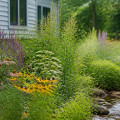
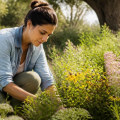
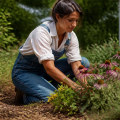
Native plant gardening is an approach to landscaping that emphasizes the use of plants indigenous to a specific region. This practice not only enhances the beauty of your garden but also supports local ecosystems. By choosing plants that are naturally adapted to your area, you can create a vibrant and sustainable environment that thrives with minimal intervention. Understanding the principles of native plant gardening is essential for anyone looking to cultivate a low-maintenance garden that benefits both the gardener and the surrounding wildlife. The benefits of incorporating native plants into your garden are numerous.
Firstly, these plants are well-suited to the local climate and soil conditions, which means they require less water, fertilizer, and pesticides compared to non-native species. This not only reduces your gardening workload but also contributes to environmental conservation by minimizing chemical runoff and conserving water resources. Additionally, native plants provide essential habitats for local wildlife, including pollinators like bees and butterflies, which are crucial for maintaining biodiversity. Moreover, a low-maintenance garden filled with native species can be a source of pride and joy. With their natural resilience and ability to thrive in local conditions, these plants often require less pruning and care than traditional gardens.
As you embark on your journey into native plant gardening, you'll discover that creating a beautiful landscape doesn't have to be labor-intensive; instead, it can be a rewarding experience that fosters a deeper connection with nature.
Benefits of a Low-Maintenance Native Plant Garden
Creating a low-maintenance native plant garden offers numerous benefits that extend beyond mere aesthetics. By incorporating native plants into your landscape, you can enjoy a variety of ecological, financial, and practical advantages.Ecological Advantages
Native plants are well-adapted to the local climate and soil conditions, which means they require less water and fewer resources to thrive. This adaptability leads to:- Reduced Water Usage: Native plants typically need less irrigation once established, making them ideal for regions prone to drought.
- Support for Local Wildlife: These plants provide essential habitats and food sources for local pollinators, birds, and other wildlife, promoting biodiversity.
- Soil Health Improvement: Native plants often have deep root systems that enhance soil structure and prevent erosion.
Cost-Effectiveness
Investing in a native plant garden can also be financially beneficial:- Lower Maintenance Costs: With their resilience, native plants require less frequent mowing, pruning, and fertilization, reducing overall maintenance expenses.
- Reduced Pest Control Needs: Native plants are less susceptible to pests and diseases, minimizing the need for chemical treatments.
Labor Reduction
A low-maintenance garden means less time spent on upkeep:- Simplified Gardening Tasks: Native plants often thrive with minimal intervention, allowing you to spend more time enjoying your garden rather than working in it.
- Seasonal Interest: Many native species offer year-round beauty with seasonal blooms and foliage changes, providing visual interest without the need for constant replanting.
Choosing the Right Native Plants for Your Region
Creating a successful native plant garden begins with understanding the specific plants that thrive in your region.Each area has its own unique climate, soil type, and ecosystem, which means that the best native plants for your garden will vary significantly depending on where you live.
Researching Regional Native Plants
- Start by consulting local gardening resources, such as extension services or native plant societies, which can provide lists of plants that are well-suited to your area.
- Visit local botanical gardens or nature reserves to see which native species flourish in your environment.
- Utilize online databases and plant guides that focus on native flora specific to your state or region.
Factors to Consider When Choosing Native Plants
- Climate: Understand the climate zone of your area. Plants that are native to arid regions may not survive in humid climates and vice versa.
- Soil Type: Test your soil to determine its pH and nutrient levels. Some native plants prefer sandy soils, while others thrive in clay or loamy conditions.
- Sunlight: Assess the sunlight exposure in your garden. Some native plants require full sun, while others do better in partial shade.
Best Native Plants for Gardens
Once you have a good understanding of your local conditions, consider incorporating a mix of the following popular native plants:
- Echinacea purpurea (Purple Coneflower) - A hardy perennial that attracts pollinators.
- Asclepias tuberosa (Butterfly Weed) - Essential for supporting monarch butterflies.
- Rudbeckia hirta (Black-eyed Susan) - A vibrant flower that blooms throughout the summer.
- Panicum virgatum (Switchgrass) - A versatile grass that provides structure and habitat.
Designing Your Native Plant Garden Layout
Designing a native plant garden requires thoughtful planning to ensure that the layout not only looks appealing but also supports the local ecosystem.Here are some essential tips for creating an effective native plant garden design.
- Assess Your Space: Begin by evaluating the area where you plan to establish your garden. Consider factors such as sunlight, soil type, and moisture levels. This assessment will help you choose the right native plants that thrive in your specific conditions.
- Group Plants by Similar Needs: When planning your native garden, group plants with similar water and light requirements together. This not only simplifies maintenance but also creates a more cohesive look.
For example, place sun-loving plants in one section and shade-tolerant varieties in another.
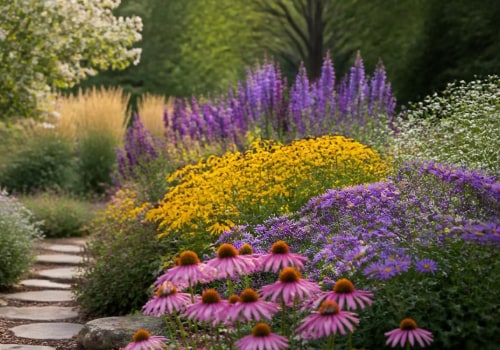
- Create Layers: Incorporate a variety of plant heights to add depth and visual interest. Use taller plants at the back or center of beds, with medium-height plants in front, and low-growing ground covers at the edges. This layering technique mimics natural ecosystems and enhances biodiversity.
- Incorporate Pathways: Design pathways to allow easy access for maintenance and enjoyment of your garden. Use natural materials like gravel or mulch to create a rustic feel that complements the native plants.
- Add Focal Points: Consider including focal points such as a birdbath, bench, or sculpture to draw the eye and provide resting spots within the garden.
These elements can enhance the overall aesthetic while attracting wildlife.
Soil Preparation and Planting Techniques
Creating a successful native plant garden begins with proper soil preparation. Native plants are adapted to local soil conditions, so understanding your garden's soil type is crucial. Start by conducting a soil test to determine pH levels and nutrient content.This will help you identify any amendments needed to create an optimal growing environment.Once you have your soil test results, you can amend the soil as necessary. For most native plants, a well-draining soil rich in organic matter is ideal. Consider adding compost or well-rotted manure to improve soil structure and fertility. If your soil is too compacted, consider aerating it to enhance drainage and root penetration.
Planting Techniques for Low-Maintenance Gardens
When it comes to planting native species, timing is key.The best time to plant is during the early spring or fall when temperatures are moderate and rainfall is more consistent. This allows plants to establish their roots before the heat of summer or the cold of winter.
- Spacing: Ensure adequate spacing between plants to promote air circulation and reduce competition for nutrients. Refer to specific guidelines for each species.
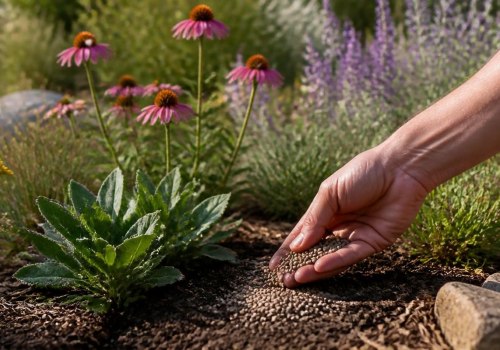
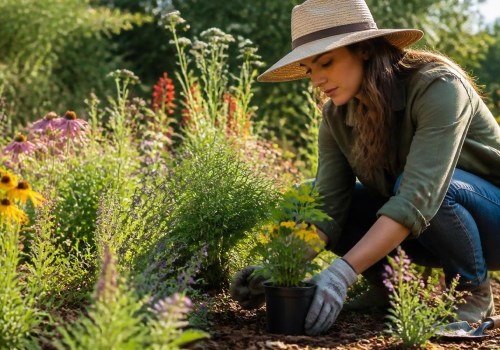
- Planting Depth: Dig holes that are twice as wide as the root ball but no deeper than the root ball itself. This encourages lateral root growth.
- Watering: After planting, water thoroughly to settle the soil around the roots.
Continue to water regularly until the plants are established, typically for the first growing season.
Watering and Irrigation Strategies for Native Plants
Creating a low-maintenance native plant garden requires thoughtful watering and irrigation strategies that align with the natural habits of the plants you choose. Native plants are often adapted to local climate conditions, which means they typically require less water than non-native species once established.Here are some effective strategies to consider:
- Soil Preparation: Before planting, amend your soil with organic matter to improve its structure and water retention capabilities. This will help your native plants access moisture more efficiently.
- Timing of Watering: Water your native plants early in the morning or late in the afternoon to minimize evaporation. This is especially important during hot summer months.
- Deep Watering: Instead of frequent shallow watering, aim for deep watering sessions that encourage roots to grow deeper into the soil. This promotes drought resistance and reduces the need for frequent irrigation.
Consider the following options:
- Drip Irrigation: This method delivers water directly to the base of each plant, minimizing waste and ensuring that moisture reaches the roots where it’s needed most.
- Rain Barrels: Collecting rainwater is an eco-friendly way to provide supplemental irrigation during dry spells. Position barrels under downspouts to maximize collection.
- Mulching: Applying a layer of organic mulch around your plants helps retain soil moisture, suppress weeds, and regulate soil temperature.
Maintaining Your Native Plant Garden with Minimal Effort
Creating a low-maintenance native plant garden is not only beneficial for the environment but also allows you to enjoy a beautiful landscape with minimal effort. Here are some practical tips to help you maintain your garden effortlessly.Natural Pest Control
One of the key advantages of native plant gardening is that native plants are often more resistant to local pests and diseases.To further enhance this natural resilience, consider the following:
- Encourage Beneficial Insects: Attract pollinators and pest predators by planting a variety of native flowers. Species like milkweed and coneflower can draw in ladybugs and lacewings, which help control aphid populations.
- Avoid Chemical Pesticides: Relying on chemical treatments can harm beneficial insects. Instead, use organic methods such as neem oil or insecticidal soap when necessary.
- Companion Planting: Pair plants that naturally deter pests with those that are more susceptible. For example, planting marigolds alongside your native flowers can help repel nematodes.
Seasonal Care Tips
To keep your native garden thriving with minimal effort, follow these seasonal care tips:- Spring: As new growth appears, remove any dead plant material from the previous season.
This helps prevent disease and allows sunlight to reach emerging plants.
- Summer: Water deeply but infrequently to encourage deep root growth. Most native plants are drought-tolerant once established, so avoid overwatering.
- Fall: Leave seed heads on plants for birds and other wildlife. This not only supports local fauna but also adds visual interest to your garden during the colder months.
- Winter: Minimal intervention is needed; however, consider adding mulch to protect roots from extreme temperatures and retain moisture.
Common Challenges in Native Plant Gardening and Solutions
Creating a native plant garden can be a rewarding experience, but it does come with its own set of challenges. Understanding these common issues and their solutions can help ensure your garden thrives.Pest Issues with Native Plants
One of the most frequent challenges in native plant gardening is dealing with pests.While native plants are generally more resistant to local pests, they can still fall victim to certain insects. For instance, aphids and caterpillars may target specific species.
- Solution: Encourage beneficial insects like ladybugs and lacewings by planting a variety of flowers that attract them. Additionally, consider using insecticidal soap or neem oil as a natural remedy to control pest populations without harming your plants.
Competition from Weeds
Weeds can quickly overtake a native plant garden, especially in the early stages of growth. They compete for nutrients, water, and sunlight, which can hinder the establishment of your native plants.- Solution: Implementing a layer of mulch can suppress weed growth while retaining moisture in the soil.
Regularly monitoring your garden and hand-pulling weeds before they go to seed will also help keep them at bay.
Soil Quality and Drainage Issues
Another challenge is ensuring that the soil quality and drainage meet the needs of your native plants. Some species prefer well-drained sandy soils, while others thrive in clay or loamy conditions.- Solution: Conduct a soil test to determine pH and nutrient levels. Based on the results, you may need to amend your soil with organic matter or sand to improve drainage and fertility.
Incorporating Wildlife into Your Native Plant Garden
Creating a low-maintenance native plant garden is not only beneficial for the environment but also provides a sanctuary for various forms of wildlife. By strategically selecting and planting native species, you can attract pollinators, birds, and other beneficial creatures that contribute to a thriving ecosystem.Attracting Wildlife to Your Garden
- Choose Native Plants: Select plants that are indigenous to your region.
These plants are adapted to local conditions and provide the best food sources for native wildlife.
- Diverse Plant Selection: Incorporate a variety of plants that bloom at different times throughout the growing season. This ensures a continuous supply of nectar and pollen for pollinators.
- Layered Planting: Create layers in your garden by including ground covers, shrubs, and trees. This not only adds visual interest but also provides different habitats for various species.
Benefits of Wildlife in Gardens
- Pollination: Attracting bees, butterflies, and other pollinators enhances the productivity of your garden, leading to more vibrant blooms and healthier plants.
- Pest Control: Birds and beneficial insects can help control pest populations naturally, reducing the need for chemical interventions.
- Biodiversity: A garden that supports wildlife contributes to local biodiversity, which is essential for ecosystem resilience.
Creating Habitats with Native Plants
To create effective habitats, consider the following:
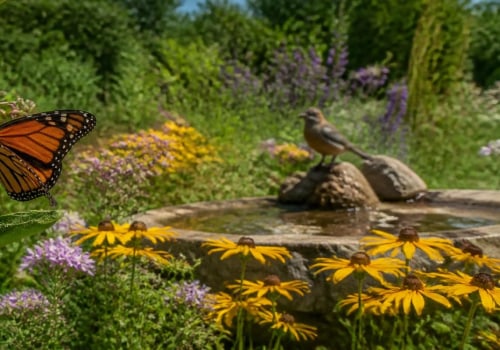
- Water Sources: Incorporate a small water feature or birdbath to provide drinking water for birds and other wildlife.
- Nesting Sites: Leave some areas of your garden undisturbed or add birdhouses to encourage nesting. Native shrubs can also serve as natural shelters.
- Mulching: Use organic mulch to retain moisture and create a habitat for beneficial insects in the soil.
This approach not only enhances the beauty of your garden but also contributes positively to the environment.
Conclusion: Embracing Low-Maintenance Native Plant Gardening
In conclusion, low-maintenance native plant gardening offers a sustainable and rewarding approach to landscaping that benefits both the environment and the gardener. By choosing plants that are naturally adapted to your local climate and soil conditions, you can create a vibrant garden that requires minimal intervention. Throughout this article, we explored several key strategies for establishing a successful native plant garden:- Choosing the Right Plants: Selecting native species that thrive in your area is crucial. These plants are more resilient to local pests and diseases, reducing the need for chemical treatments.
- Soil Preparation: Properly preparing your soil can enhance plant growth and reduce maintenance. Native plants often require less fertilization, as they are adapted to the existing soil conditions.
- Water Management: Implementing efficient watering practices, such as drip irrigation or rain gardens, can help conserve water while ensuring your plants receive adequate moisture.
- Mulching: Applying organic mulch not only suppresses weeds but also retains soil moisture and improves soil health over time.
The beauty of a native plant garden lies in its ability to evolve naturally with the seasons, providing a dynamic landscape that changes throughout the year. Ultimately, adopting a low-maintenance native plant gardening approach is not just about reducing labor; it’s about fostering a deeper connection with nature. As you watch your garden thrive with minimal intervention, you’ll find joy in its resilience and beauty, knowing you’re contributing to the preservation of local ecosystems.