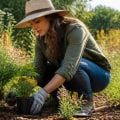
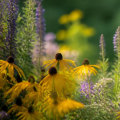
Native plant gardening is more than just a trend; it’s a vital practice that promotes biodiversity and sustainability in our ecosystems. By choosing plants that are indigenous to your region, you not only create a beautiful landscape but also support local wildlife, including pollinators like bees and butterflies. These plants are adapted to the local climate and soil conditions, making them easier to maintain and more resilient against pests and diseases. Incorporating natural elements such as rocks into your garden can enhance its aesthetic appeal while also providing essential benefits. Rocks can serve as natural mulch, helping to retain moisture in the soil and regulate temperature.
They can also create microhabitats for beneficial insects and other wildlife, further enriching the ecosystem you are cultivating. By integrating these elements, you create a more dynamic environment that reflects the beauty of nature. The benefits of native plants extend beyond mere aesthetics; they play a crucial role in conserving water, reducing the need for chemical fertilizers, and minimizing maintenance efforts. As you embark on your journey into native plant gardening, consider how the inclusion of rocks and other natural features can transform your garden into a thriving habitat that not only looks good but also contributes positively to the environment.
The Role of Rocks in Native Plant Gardens
Incorporating rocks into a native plant garden can significantly enhance both its functionality and aesthetic appeal. Rocks serve multiple purposes, from improving drainage to creating habitats for beneficial wildlife.Aesthetic Appeal
Rocks can add a natural beauty to your garden, providing texture and contrast against the vibrant colors of native plants.
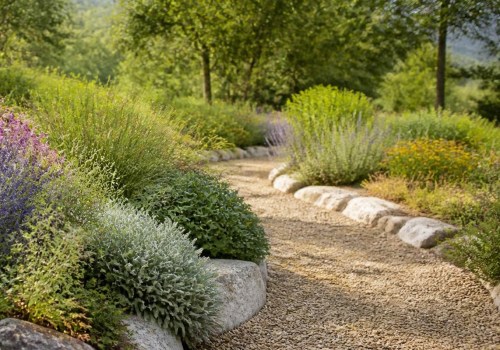
By strategically placing rocks of various sizes and shapes, you can create visually interesting focal points. For instance, larger boulders can serve as a backdrop for smaller flowering plants, while gravel paths can guide visitors through the garden.
Improved Drainage
One of the primary benefits of using rocks in native plant gardening is their ability to improve soil drainage. Many native plants thrive in well-drained soils, and incorporating rocks can help prevent waterlogging. By layering rocks at the base of planting areas or creating rock beds, you can facilitate better water movement through the soil, ensuring that your plants receive the moisture they need without becoming oversaturated.
Habitat Creation
Rocks also play a crucial role in creating habitats for various forms of wildlife.
Small crevices and gaps between rocks provide shelter for insects, lizards, and other beneficial creatures that contribute to a healthy ecosystem. Additionally, these habitats can attract pollinators such as bees and butterflies, which are essential for the reproduction of many native plants.
Soil Erosion Control
In areas prone to soil erosion, strategically placed rocks can help stabilize the soil. By creating barriers or terraces with rocks, you can reduce runoff and protect your native plants from being washed away during heavy rains.In summary, incorporating rocks into your native plant garden not only enhances its beauty but also supports ecological health by improving drainage, creating habitats, and controlling erosion. Whether you choose to use small pebbles or large boulders, the thoughtful integration of natural elements will contribute to a thriving garden environment.
Choosing the Right Types of Rocks
When it comes to native plant gardening, the selection of rocks can significantly enhance both the aesthetic appeal and functionality of your garden.Different types of rocks serve various purposes, from improving drainage to providing habitats for beneficial wildlife.
- River Rocks: These smooth, rounded stones are perfect for creating pathways or decorative borders. They allow for excellent drainage, making them ideal for areas where water tends to pool. Additionally, their natural appearance complements the organic look of native plants.
- Boulders: Large boulders can serve as focal points in your garden. They not only add visual interest but also provide shelter for small animals and insects.
When placed strategically, boulders can create microclimates that benefit certain native plants.
- Gravel: Using gravel as a ground cover can help suppress weeds while allowing water to permeate the soil. It’s particularly useful in dry areas where you want to mimic the natural habitat of many native plants. Choose a type of gravel that matches the color palette of your garden for a cohesive look.
- Pebbles: Smaller than river rocks, pebbles can be used in rock gardens or as mulch around plants. They help retain moisture in the soil while also providing a decorative touch.
Opt for locally sourced pebbles to maintain the ecological integrity of your native plant garden.
Incorporating Rocks into Your Garden Design
Incorporating rocks into your native plant gardening design can enhance both the aesthetic appeal and ecological function of your garden. Here are some practical tips for effectively using rocks in your landscape:- Choose the Right Type of Rocks: Select rocks that are native to your area to ensure they blend seamlessly with your local ecosystem.
Options like river stones, granite boulders, or limestone can add texture and interest.
- Consider Scale and Proportion: When placing rocks, think about their size in relation to the plants around them. Larger boulders can serve as focal points, while smaller stones can be used as ground cover or accents.
- Create Naturalistic Arrangements: Instead of placing rocks in straight lines, aim for a more organic layout. Grouping rocks in clusters mimics natural formations and provides a more inviting atmosphere.
- Use Rocks for Pathways: Incorporate flat stones or gravel to create pathways through your garden. This not only adds functionality but also helps define different areas within your native plant garden.
- Enhance Soil Drainage: Strategically placing rocks can improve drainage in areas prone to water accumulation.
This is particularly beneficial for native plants that thrive in well-drained soils.
Combining Rocks with Other Natural Elements
Incorporating rocks and other natural elements into a native plant garden can enhance its aesthetic appeal while promoting biodiversity. By thoughtfully combining these materials, you can create a harmonious environment that supports both plants and wildlife.Using Rocks Effectively
- Rock Gardens: Create a rock garden by arranging various sizes and types of stones.
This not only adds visual interest but also provides microhabitats for insects and small animals.
- Pathways: Use flat stones to create pathways through your garden. This allows for easy access while minimizing soil compaction, which is crucial for the health of native plants.
- Edging: Incorporate rocks as natural edging around flower beds. This helps define spaces and can prevent soil erosion, especially on sloped areas.
Combining Wood with Stones
- Wooden Features: Integrate logs or branches into your garden design. They can serve as natural seating or decorative elements that complement the ruggedness of rocks.
- Mulching: Use shredded bark or wood chips as mulch around your native plants.
This not only retains moisture but also adds organic matter to the soil as it decomposes.
- Nesting Sites: Hollow logs can provide nesting sites for birds and beneficial insects, enhancing the ecological value of your garden.
Soil Considerations
The combination of rocks and wood should be complemented by healthy soil. Ensure that your soil is rich in organic matter to support the growth of native plants. Adding compost or well-rotted manure can improve soil structure and fertility, making it more conducive to plant health.By thoughtfully combining rocks, wood, and healthy soil, you can create a native plant garden that is not only beautiful but also ecologically beneficial. This approach fosters a diverse ecosystem that attracts pollinators and other wildlife, making your garden a vibrant part of the local environment.
Maintenance Tips for Rock-Enhanced Native Gardens
Maintaining a rock-enhanced native plant garden requires a thoughtful approach to ensure both the health of your plants and the integrity of the natural elements you’ve incorporated.Here are some essential maintenance tips:
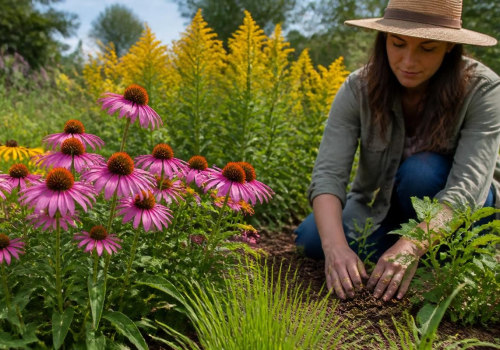
- Regular Weeding: Weeds can compete with your native plants for nutrients and water. Regularly inspect your garden and remove any unwanted plants by hand or with a hoe, being careful not to disturb the roots of your native species.
- Mulching: Applying a layer of organic mulch around your native plants can help retain moisture, suppress weeds, and improve soil quality as it breaks down. Choose materials that complement the rocks in your garden, such as shredded bark or wood chips.
- Watering Wisely: Native plants are often drought-resistant, but during dry spells, they may still require supplemental watering. Use a soaker hose or drip irrigation to deliver water directly to the roots without saturating the rocks, which can lead to erosion.
- Soil Health: Periodically check the soil quality around your native plants.
Adding compost or organic matter can enhance soil structure and fertility, promoting healthy growth. Be cautious not to bury rocks under soil amendments, as this can disrupt the aesthetic and functional aspects of your rock garden.
- Seasonal Pruning: Some native plants may benefit from pruning to encourage bushier growth or to remove dead or diseased branches. This practice not only maintains the visual appeal of your garden but also supports plant health.
- Rock Maintenance: Inspect the rocks in your garden regularly. Over time, they may shift or become covered in moss or algae.
Gently clean them with a brush if necessary, and reposition any that have moved out of place to maintain the intended design.
Common Mistakes to Avoid When Using Rocks in Gardens
Incorporating rocks into your native plant garden can enhance its aesthetic appeal and provide essential benefits, but there are several common mistakes that gardeners often make. Avoiding these pitfalls will ensure a thriving and visually pleasing landscape.- Choosing the Wrong Size of Rocks: One frequent error is selecting rocks that are either too large or too small for the garden's scale. Large boulders can overwhelm smaller plants, while tiny pebbles may get lost in a larger landscape.
Aim for a variety of sizes that complement your plants and overall design.
- Neglecting Drainage: Rocks can affect soil drainage, especially if placed improperly. Ensure that rocks do not obstruct water flow or create areas where water pools, as this can lead to root rot in your native plants. Consider using gravel or smaller stones in areas where drainage is a concern.
- Overcrowding with Rocks: While rocks can add texture and interest, overcrowding them can detract from the beauty of your plants. Leave ample space between rocks and plants to allow for growth and visibility.
This also helps maintain a natural look.
- Ignoring Local Ecosystems: Not all rocks are suitable for every environment. Using non-native stones can disrupt local ecosystems and may not provide the same benefits as local materials. Research local geology to select rocks that harmonize with your native plant species.
- Forgetting About Maintenance: Rocks can accumulate debris and weeds over time, which may require regular maintenance. Plan for easy access to these areas to keep your garden looking its best without excessive effort.
FAQs About Rocks and Native Plant Gardening
Incorporating rocks into your native plant garden can enhance both its aesthetic appeal and ecological function.Here are some frequently asked questions regarding this practice:
- What types of rocks are best for a native plant garden?
When selecting rocks, consider using local stones such as granite, sandstone, or limestone. These materials not only blend well with the natural landscape but also provide habitats for beneficial insects and other wildlife. - How can I use rocks to improve drainage?
Rocks can be strategically placed in areas where water tends to pool. Creating a rock garden or using gravel as a base layer can help facilitate drainage, ensuring that your native plants thrive without the risk of root rot. - Can rocks help with soil erosion?
Yes! Placing larger rocks at the edges of slopes or in areas prone to erosion can help stabilize the soil. They act as barriers that slow down water runoff, allowing more moisture to seep into the ground. - What role do rocks play in microclimates?
Rocks absorb heat during the day and release it at night, creating a warmer microclimate that can benefit certain native plants.This is particularly useful in cooler regions where some plants may struggle to survive.
- Are there specific plants that pair well with rocks?
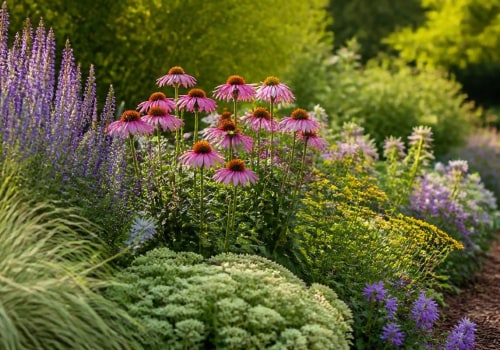
Many native plants thrive in rocky environments. Consider incorporating species like sedum, yarrow, or lavender, which not only tolerate rocky conditions but also add beauty and diversity to your garden.
Conclusion: Creating a Balanced Ecosystem with Rocks and Native Plants
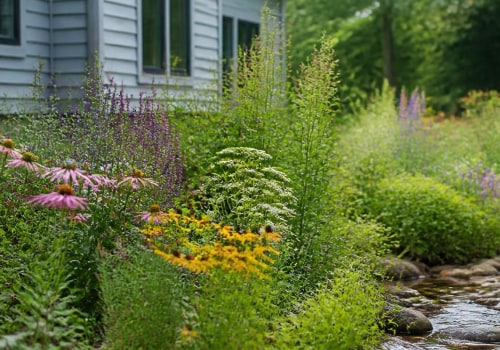
Incorporating rocks and other natural elements into native plant gardening not only enhances the aesthetic appeal of your garden but also plays a crucial role in creating a balanced ecosystem. Throughout this article, we have explored various methods to integrate these elements effectively, emphasizing their benefits for both plants and wildlife.By using rocks as natural borders or pathways, you can define spaces within your garden while providing habitats for beneficial insects and small animals. Additionally, the use of boulders and gravel can improve drainage and soil aeration, which are vital for the health of native plants.Moreover, incorporating features like rock gardens or dry creek beds can mimic natural landscapes, promoting biodiversity.These structures not only serve as visual focal points but also help manage water runoff, reducing erosion and promoting soil health.
- Enhancing Biodiversity: Rocks provide shelter for various organisms, contributing to a thriving ecosystem.
- Soil Health: Natural elements improve soil structure and moisture retention, benefiting native flora.
- Aesthetic Appeal: The combination of rocks and plants creates visually striking landscapes that reflect natural beauty.