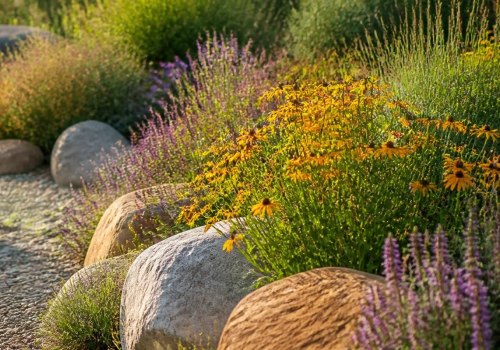
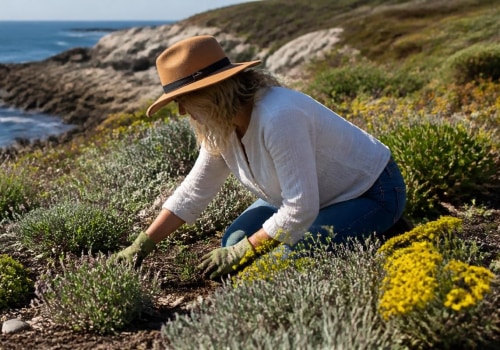
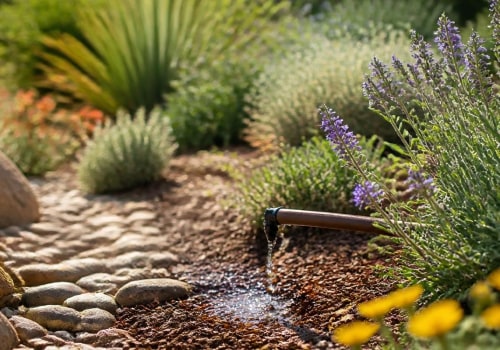
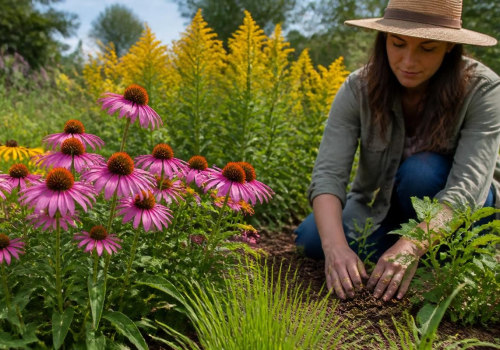
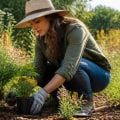
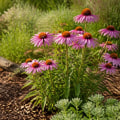
Native plant gardening is an increasingly popular practice that not only enhances the beauty of our landscapes but also supports local ecosystems. By choosing plants that are indigenous to your region, you create a habitat that fosters biodiversity, attracts pollinators, and provides food and shelter for wildlife. This approach to gardening is not just about aesthetics; it’s about cultivating a sustainable environment that thrives on the natural relationships between plants, animals, and the soil. One of the significant benefits of native plants is their adaptability to local climate conditions, which often means they require less water and fewer chemical inputs than non-native species. This resilience makes them an excellent choice for gardeners looking to reduce their environmental footprint while still enjoying a vibrant garden.
However, like any gardening endeavor, native plant gardening comes with its own set of challenges, particularly when it comes to managing pests and diseases. Understanding the common pests and diseases that can affect native plants is crucial for maintaining a healthy garden. While these plants are generally more resistant to local pests, they are not immune. Knowledge of potential threats allows gardeners to take proactive measures, ensuring their native gardens flourish. By embracing the principles of native plant gardening, you not only contribute to ecological health but also engage in a rewarding hobby that connects you with nature.
Common Pests Affecting Native Plants
Native plant gardening can be a rewarding endeavor, but it also comes with its challenges, particularly when it comes to common pests that can threaten the health of your plants.Understanding how to identify these pests is crucial for maintaining a thriving garden. Some of the most prevalent pests affecting native plants include:
- Aphids: These small, soft-bodied insects often cluster on the undersides of leaves. They can be identified by their pear-shaped bodies and may vary in color from green to black. Aphids feed on plant sap, which can lead to stunted growth and yellowing leaves.
- Spider Mites: Tiny and often difficult to see, spider mites create fine webs on the foliage of plants. Look for stippling or discoloration on leaves as a sign of their presence.
They thrive in dry conditions and can quickly damage plants if not controlled.
- Japanese Beetles: Recognizable by their metallic green bodies and copper-colored wings, these beetles feed on the leaves of many native plants. They can skeletonize leaves, leaving only the veins intact, which severely impacts plant health.
- Whiteflies: Similar in appearance to tiny moths, whiteflies can be found on the undersides of leaves. They excrete a sticky substance known as honeydew, which can lead to sooty mold growth on plants.
Natural remedies such as insecticidal soap or neem oil can be effective against many of these pests without harming beneficial insects. By being vigilant and informed about pests in native plant gardening, you can protect your garden and ensure that your native plants thrive in their natural habitat.
Diseases That Impact Native Plants
Native plants, while generally more resilient to local pests and diseases, are not immune to various diseases that can hinder their growth and vitality. Understanding these diseases is crucial for any native plant gardening enthusiast.Common Diseases Affecting Native Plants
- Powdery Mildew: This fungal disease appears as a white, powdery coating on leaves. It thrives in warm, dry conditions and can lead to stunted growth if not addressed.
- Root Rot: Often caused by overwatering or poorly drained soil, root rot leads to wilting and yellowing of leaves. The roots may appear brown and mushy.
- Leaf Spot: Characterized by dark spots on leaves, this disease can be caused by various fungi or bacteria.
It often results in premature leaf drop.
- Rust: This fungal infection manifests as orange or rust-colored pustules on the undersides of leaves. It can weaken plants significantly if left untreated.
Symptoms to Watch For
Identifying symptoms early can make a significant difference in managing plant health. Look for:- Discoloration of leaves (yellowing or browning)
- Wilting or drooping foliage
- Unusual growth patterns or stunted development
- Visible fungal growths or spots on leaves
Treatment Options
Treating diseases in native plants often involves a combination of cultural practices and, when necessary, chemical treatments:- Cultural Practices: Ensure proper spacing between plants for air circulation, avoid overhead watering, and remove any infected plant material promptly.
- Organic Treatments: Use fungicidal sprays made from natural ingredients like neem oil or baking soda to combat fungal infections.
- Pesticides: In severe cases, consider using chemical fungicides, but always follow label instructions and consider the impact on beneficial insects.
Preventative Measures for Pest and Disease Management
Maintaining a healthy native plant garden requires proactive pest management strategies and effective disease prevention techniques. By implementing integrated pest management (IPM) practices, gardeners can minimize the impact of pests and diseases while promoting a balanced ecosystem.1.Promote Biodiversity
One of the most effective ways to prevent pests in native plant gardens is to promote biodiversity.By planting a variety of native species, you create a habitat that attracts beneficial insects, such as ladybugs and lacewings, which prey on common pests. Additionally, diverse plantings can disrupt pest life cycles and reduce the likelihood of infestations.
2.Monitor Plant Health
Regularly inspecting your plants for signs of stress or disease is crucial. Look for discoloration, wilting, or unusual spots on leaves. Early detection allows for timely intervention, which can prevent the spread of diseases and minimize damage.3.Use Organic Solutions
When pests are detected, consider using organic solutions before resorting to chemical pesticides.Options such as neem oil, insecticidal soap, or diatomaceous earth can effectively manage pest populations without harming beneficial insects or the environment.
4.Maintain Healthy Soil
Healthy soil is the foundation of a thriving garden. Incorporate organic matter, such as compost, to improve soil structure and fertility. Healthy plants are more resilient to pests and diseases, making soil health a critical component of native gardening.5.Implement Cultural Practices
- Watering: Water plants early in the day to reduce humidity levels that favor fungal diseases.
- Pruning: Regularly prune dead or diseased plant material to improve air circulation and reduce disease risk.
- Mulching: Apply organic mulch to suppress weeds and retain soil moisture while preventing soil-borne diseases from splashing onto plant leaves.
Natural Remedies for Common Pests and Diseases
Managing pests and diseases in native plant gardening can be effectively achieved through a variety of natural remedies and organic solutions.These methods not only protect your plants but also promote a healthier ecosystem.
Natural Pest Control Methods
- Neem Oil: Extracted from the seeds of the neem tree, this oil disrupts the life cycle of many pests, including aphids and spider mites. It is safe for beneficial insects when applied correctly.
- Diatomaceous Earth: This natural powder is made from fossilized algae and can be sprinkled around plants to deter soft-bodied insects like slugs and beetles. It works by dehydrating them upon contact.
- Insecticidal Soap: A mixture of soap and water can effectively suffocate soft-bodied pests. Ensure you use a pure soap without additives to avoid harming your plants.
Organic Solutions for Plant Diseases
- Copper Fungicide: This organic treatment is effective against fungal diseases such as powdery mildew and blight.
It works by preventing the spread of spores.
- Baking Soda Spray: A simple mixture of baking soda and water can help control fungal infections. The alkaline nature of baking soda creates an environment that is unfavorable for fungi.
- Garlic Spray: Garlic has natural antifungal and antibacterial properties. Blending garlic with water and straining it creates a potent spray that can deter various pathogens.
Eco-Friendly Pest Control Practices
In addition to these remedies, adopting eco-friendly practices can significantly reduce pest problems. Consider introducing beneficial insects like ladybugs and lacewings, which naturally prey on harmful pests.
Additionally, maintaining biodiversity in your garden by planting a variety of native species can create a balanced ecosystem that naturally controls pest populations.By utilizing these natural remedies and organic solutions, you can effectively manage pests and diseases in your native plant garden while promoting environmental health.
Frequently Asked Questions about Native Plant Pests and Diseases
When it comes to native plant gardening, understanding the common pests and diseases that can affect your plants is crucial for maintaining a healthy garden. Here are some frequently asked questions regarding these issues:What are the most common pests that affect native plants?
- Aphids: These small, sap-sucking insects can weaken plants and transmit diseases.
- Spider Mites: Often found on the undersides of leaves, they can cause stippling and leaf drop.
- Japanese Beetles: Known for their destructive feeding habits, they can defoliate plants quickly.
- Leafhoppers: These pests can transmit plant diseases while feeding on plant sap.
What diseases should I watch for in my native plants?
- Powdery Mildew: This fungal disease appears as a white powdery coating on leaves and can inhibit photosynthesis.
- Root Rot: Caused by overwatering or poor drainage, this disease affects the roots and can lead to plant death.
- Leaf Spot: Various fungi or bacteria can cause spots on leaves, leading to premature leaf drop.
How can I control pests and diseases in my native garden?
Effective pest control in native plant gardening often involves a combination of cultural practices and organic methods. Here are some strategies:- Encourage Beneficial Insects: Ladybugs and lacewings can help control aphid populations naturally.
- Regular Monitoring: Check your plants frequently for signs of pests or disease to catch issues early.
- Proper Watering Techniques: Avoid overhead watering to reduce humidity around plants, which can help prevent fungal diseases.
- Use Organic Pesticides: If necessary, opt for organic solutions that are less harmful to beneficial insects.
Conclusion: Nurturing Healthy Native Gardens
In conclusion, understanding the common pests and diseases that affect native plants is crucial for anyone engaged in native plant gardening. By recognizing these challenges, gardeners can take proactive steps to ensure the health and vitality of their gardens. Throughout this article, we have explored various pests such as aphids, spider mites, and caterpillars, which can wreak havoc on native flora.Additionally, we discussed diseases like powdery mildew and root rot that can compromise plant health. Each of these threats not only impacts individual plants but can also disrupt the entire ecosystem that native gardens support. To effectively manage these issues, it is essential to:
- Monitor your garden regularly for signs of pest infestations or disease symptoms.
- Implement integrated pest management (IPM) strategies that combine cultural, mechanical, and biological controls.
- Encourage beneficial insects, such as ladybugs and lacewings, which can help keep pest populations in check.
- Choose disease-resistant native plant varieties to reduce the likelihood of outbreaks.
Embrace the journey of native plant gardening, and enjoy the beauty and benefits it brings to your landscape and community.