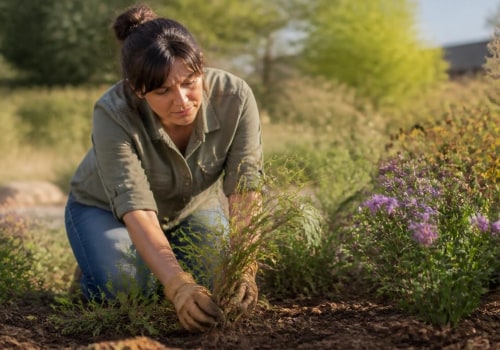
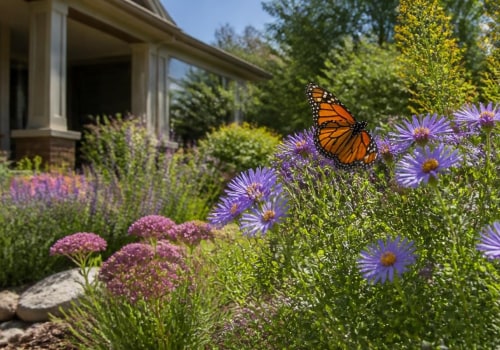
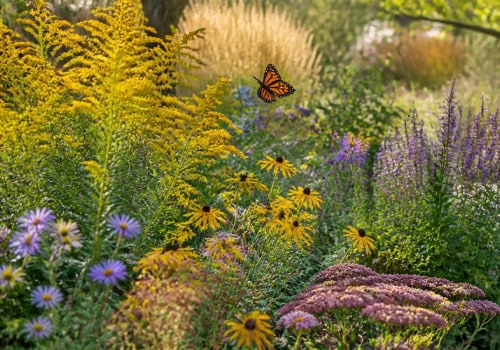
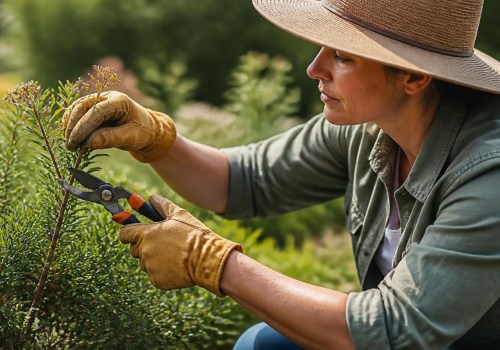
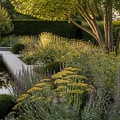
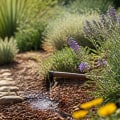
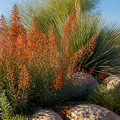
Native plant gardening is an approach to landscaping that emphasizes the use of plants indigenous to a specific region. This practice not only enhances the beauty of your garden but also supports local ecosystems. By choosing plants that have evolved in your area, you create a habitat that is more resilient to local pests and diseases, reducing the need for chemical interventions. Furthermore, native plants are adapted to the local climate, which often means they require less water and maintenance compared to non-native species. The benefits of native plants extend beyond mere aesthetics.
They play a crucial role in supporting local wildlife, including pollinators like bees and butterflies, which are essential for the health of our food systems. By incorporating native species into your garden, you contribute to biodiversity and help sustain the natural balance of your environment. Additionally, native plants can improve soil health and reduce erosion, making them an excellent choice for sustainable gardening practices. So, what exactly are native plants? These are species that have naturally occurred in a particular region for thousands of years, adapting to the local soil, climate, and wildlife. Unlike exotic or invasive species, native plants have established relationships with local fauna and flora, making them integral to the ecosystem.
Understanding these characteristics is vital for anyone interested in creating a thriving garden that not only looks good but also serves a greater ecological purpose.
The Compatibility of Vegetables and Native Plants
Integrating vegetables into a native plant garden can be a rewarding endeavor, allowing gardeners to enjoy the benefits of both biodiversity and homegrown produce. The key to successfully growing vegetables alongside native plants lies in understanding their compatibility and employing effective companion planting strategies.Companion Planting Principles
- Mutual Benefits: Certain native plants can enhance the growth of vegetables by attracting beneficial insects or repelling pests. For example, planting milkweed can attract pollinators that also benefit nearby vegetable crops.
- Diverse Root Systems: Native plants often have deep root systems that can help improve soil structure and moisture retention, which is beneficial for shallow-rooted vegetables.
- Natural Pest Control: Incorporating native plants that are known to deter pests can reduce the need for chemical interventions, promoting a healthier garden ecosystem.
Designing Your Garden
When designing a vegetable garden within a native plant framework, consider the following:
- Zoning: Group vegetables and native plants based on their sunlight and water needs. This ensures that all plants thrive without competing for resources.
- Layering: Utilize vertical space by planting taller native species alongside shorter vegetable varieties.
This not only maximizes space but also creates a visually appealing garden.
- Seasonal Rotation: Plan your planting schedule to include both annual vegetables and perennial native plants, ensuring year-round interest and productivity.
Choosing the Right Vegetables for Your Native Plant Garden
When planning a native plant garden, selecting the right vegetables is crucial for ensuring a harmonious ecosystem that supports both your gardening goals and local wildlife. Here are some key considerations to help you choose the best vegetables for your native plant garden.Understanding Your Climate
Before diving into vegetable selection, it’s essential to understand your local climate. Different regions have varying temperature ranges, rainfall patterns, and growing seasons.For instance, if you live in a warmer climate, consider heat-tolerant vegetables like tomatoes, peppers, and eggplants. In cooler areas, leafy greens such as spinach, kale, and lettuce may thrive better.
Soil Type and Quality
The soil in your native plant garden plays a significant role in vegetable success. Native plants often adapt to local soil conditions, which can vary from sandy to clayey. Conduct a soil test to determine pH levels and nutrient content.Based on the results, you can amend the soil accordingly. For example:
- Sandy soils: Great for root vegetables like carrots and radishes.
- Clay soils: Better suited for crops like beans and peas, which can help improve soil structure.
- Loamy soils: Ideal for a wide variety of vegetables including zucchini, cucumbers, and squash.
Selecting Companion Plants
Incorporating native plants alongside your vegetables can enhance biodiversity and pest control. For example, planting marigolds can deter harmful insects while attracting beneficial pollinators. Additionally, consider growing herbs like basil or cilantro, which not only complement many vegetables but also thrive in similar conditions.Ultimately, the key to a successful native plant garden lies in understanding the interplay between your chosen vegetables and the native flora.By carefully selecting plants that are well-suited to your local environment, you can create a thriving garden that benefits both you and the ecosystem.
Designing Your Native Plant and Vegetable Garden
Designing a garden that harmoniously integrates native plants and vegetables can create a vibrant ecosystem while providing fresh produce. Here are some practical tips to help you achieve an effective layout.Understanding Garden Layout
Before planting, consider the overall layout of your garden. A well-planned design will maximize space and ensure that both native plants and vegetables thrive. Here are some layout ideas:- Companion Planting: Pair native plants with vegetables that benefit from their presence.
For example, planting milkweed near tomatoes can attract pollinators, enhancing fruit production.
- Zoning: Divide your garden into zones based on sunlight and moisture needs. Place sun-loving vegetables like peppers and squash in the sunniest areas, while shade-tolerant native plants can thrive in less sunny spots.
- Vertical Gardening: Utilize vertical space by incorporating trellises for climbing vegetables like beans or cucumbers alongside native vines. This not only saves space but also adds visual interest.
Spacing Considerations
Proper spacing is crucial for both native plants and vegetables to ensure they receive adequate sunlight, air circulation, and nutrients. Here are some guidelines:- Native Plants: Generally, allow 1-3 feet between native plants depending on their mature size.
This spacing helps them establish their root systems without competing for resources.
- Vegetables: Follow the recommended spacing for each vegetable type. For instance, tomatoes typically need 2-3 feet apart, while leafy greens can be closer together.
- Interplanting: Consider interplanting smaller native species among your vegetable rows. This can help deter pests and improve biodiversity in your garden.
Maintenance Tips for a Successful Native Plant and Vegetable Garden
Maintaining a native plant garden alongside a vegetable garden requires a thoughtful approach to ensure both thrive. Here are some essential maintenance tips to keep your garden healthy and productive.Watering Practices
Both native plants and vegetables have specific watering needs.Native plants are often drought-resistant, but during their establishment phase, they may require regular watering. For vegetables, consistent moisture is crucial for optimal growth. Consider the following:
- Mulching: Apply a layer of organic mulch around your plants to retain moisture and suppress weeds.
- Drip irrigation: This method delivers water directly to the roots, minimizing evaporation and ensuring efficient use of water.
Weed Control
Weeds can compete with both native plants and vegetables for nutrients and water. Regularly check your garden for weeds and remove them promptly.Here are some strategies:
- Hand-pulling: This is effective for small infestations, especially when the soil is moist.
- Cover crops: Planting cover crops can help suppress weeds while enriching the soil.
Pest Management
Pests can pose a threat to both native plants and vegetables. Implement integrated pest management (IPM) strategies to minimize damage:- Encourage beneficial insects: Planting native flowers can attract pollinators and predatory insects that help control pest populations.
- Regular monitoring: Check your plants frequently for signs of pests or disease, allowing for early intervention.
Soil Health
The health of your soil is vital for both native plants and vegetables. Consider these practices to enhance soil quality:- Composting: Add organic matter to improve soil structure and fertility.
- Soil testing: Conduct tests to determine nutrient levels and pH, adjusting as necessary to meet the needs of your plants.
Common Challenges and Solutions in Native Plant Gardening with Vegetables
Growing vegetables in a native plant garden can be rewarding, but it also comes with its own set of challenges. Understanding these challenges and implementing effective solutions is crucial for a successful gardening experience.Common Challenges
- Pest Management: Native plants can attract a variety of insects, some of which may become pests to your vegetable crops.
For instance, while pollinators are beneficial, certain insects like aphids can wreak havoc on your plants.
- Soil Issues: Native plant gardens often have soil that is adapted to local flora, which may not always be ideal for growing vegetables. The nutrient composition and pH levels can differ significantly from what vegetables require.
Solutions
- Integrated Pest Management (IPM): Implementing IPM strategies can help manage pests effectively. This includes introducing beneficial insects like ladybugs, using organic pesticides, and practicing crop rotation to disrupt pest life cycles.
- Soil Amendments: To address soil issues, consider conducting a soil test to determine its nutrient content and pH level. Based on the results, you can amend the soil with organic matter such as compost or well-rotted manure to enhance fertility and structure.
- Diverse Planting: Incorporating a diverse range of native plants alongside your vegetables can create a balanced ecosystem.
This diversity can help deter pests naturally and promote healthy soil biology.
FAQs About Growing Vegetables in a Native Plant Garden
When considering native plant gardening, many gardeners wonder, can I grow vegetables in a native plant garden? The answer is yes, but there are several factors to consider to ensure a successful integration of both native plants and vegetables.1.Compatibility of Plants:
Not all native plants are suitable companions for vegetables. It’s essential to choose native species that can coexist with your vegetable crops without competing for resources. For instance, some native flowers can attract beneficial insects that help pollinate your vegetables.
2.Soil and Water Needs:
Native plants are often adapted to local soil and moisture conditions. When incorporating vegetables, ensure that their water and nutrient requirements align with those of the native plants.
This may involve amending the soil or adjusting your watering schedule.
3.Pest Management:
One of the benefits of a native plant garden is the natural pest control provided by local wildlife. However, it’s crucial to monitor for pests that may target your vegetables. Using native plants can help attract predatory insects that keep harmful pests at bay.
4.Seasonal Considerations:
Native plants often have specific blooming seasons, which can affect the growth cycle of your vegetables. Plan your planting schedule accordingly to maximize sunlight and space.
5.Aesthetic Appeal:
Combining vegetables with native plants can create a visually appealing garden that supports biodiversity.
Consider using native flowering plants as borders or interspersed among your vegetable rows for a vibrant look.
Common Questions:
- What are the benefits of growing vegetables alongside native plants?
Growing vegetables alongside native plants can enhance biodiversity, improve soil health, and reduce the need for chemical fertilizers and pesticides. - Are there specific native plants that work well with certain vegetables?
Yes, for example, planting milkweed near tomatoes can attract pollinators, while echinacea can help draw in beneficial insects. - How do I start a native plant garden with vegetables?
Begin by researching local native species and their compatibility with your chosen vegetables. Plan your layout to ensure both types of plants thrive together.
Conclusion: Embracing the Harmony of Native Plants and Vegetables
In conclusion, the integration of vegetables into a native plant garden is not only feasible but also advantageous for both the gardener and the ecosystem. By embracing the principles of native plant gardening, you can create a vibrant and productive space that supports local wildlife while providing fresh produce for your table. Throughout this article, we explored how native plants can enhance soil health, improve biodiversity, and reduce the need for chemical fertilizers and pesticides.These benefits extend to your vegetable crops, which can thrive in a well-balanced ecosystem. Here are some key takeaways:
- Companion Planting: Native plants can serve as excellent companions for vegetables, attracting beneficial insects and pollinators that help with pest control and pollination.
- Soil Health: The deep root systems of many native plants improve soil structure and nutrient availability, creating a more fertile environment for your vegetables.
- Drought Resistance: Native plants are adapted to local climates, often requiring less water than traditional vegetable gardens, making them a sustainable choice in times of drought.