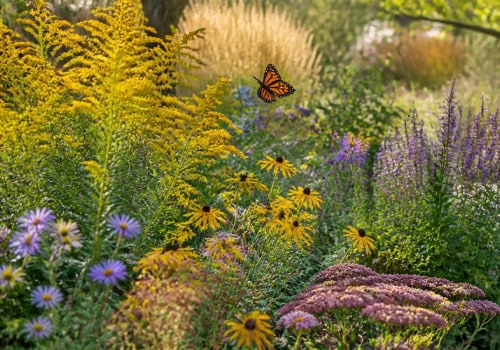
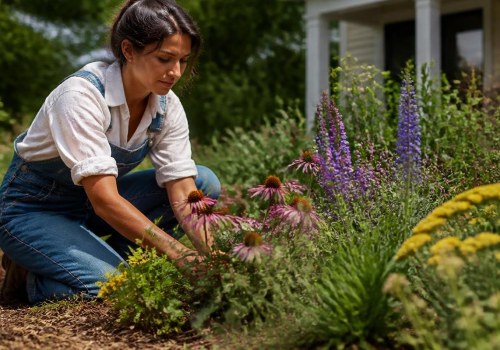
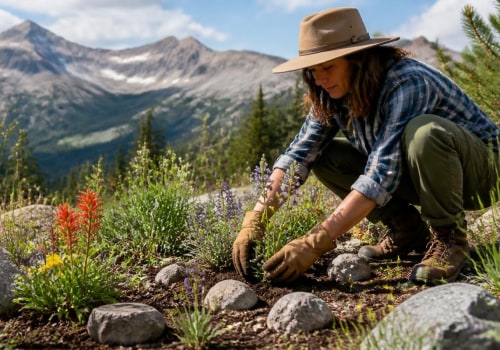
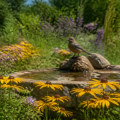
In the heart of bustling cities, where concrete and steel dominate the landscape, native plant gardening emerges as a vital practice that not only beautifies urban spaces but also fosters ecological balance. By incorporating plants that are indigenous to the local environment, urban gardeners can create vibrant green spaces that support local wildlife, improve air quality, and enhance biodiversity. This approach to gardening is particularly significant in urban settings, where natural habitats are often fragmented or entirely absent. The benefits of native plants extend beyond aesthetics. These plants are adapted to the local climate and soil conditions, making them more resilient and easier to maintain than non-native species.
They require less water, fewer fertilizers, and minimal pest control, which translates to lower maintenance costs and a reduced environmental footprint. Furthermore, native plants provide essential resources for local pollinators such as bees and butterflies, contributing to the overall health of urban ecosystems. As cities continue to grow and evolve, the importance of integrating native plant gardening into rooftop gardens and other urban landscapes cannot be overstated. Not only do these gardens offer a sanctuary for wildlife amidst the urban sprawl, but they also serve as a powerful tool for community engagement and education about sustainability. By embracing native plants, urban dwellers can cultivate a deeper connection with their environment while promoting ecological stewardship in their communities.
Benefits of Incorporating Native Plants in Urban Gardens
Incorporating native plants into urban gardens offers a multitude of benefits that extend beyond aesthetics.One of the primary advantages is the enhancement of biodiversity. Native plants are adapted to local climates and soil conditions, making them more resilient and better suited to support local wildlife, including pollinators like bees and butterflies. This increased biodiversity can lead to healthier ecosystems within urban settings.Another significant benefit is water conservation. Native plants typically require less water than non-native species once established, as they are adapted to the local rainfall patterns.
This not only reduces the need for irrigation but also helps mitigate stormwater runoff, which can lead to flooding and water pollution in urban areas.Furthermore, native plants often demand less maintenance compared to their non-native counterparts. They are more resistant to pests and diseases, which means fewer chemical interventions are necessary. This aspect not only saves time and money for urban gardeners but also contributes to a healthier environment by reducing chemical runoff into local waterways.Additionally, incorporating native plants can enhance the aesthetic appeal of urban gardens. With a diverse palette of colors, shapes, and sizes, native plants can create visually stunning landscapes that reflect the natural beauty of the region.In summary, the ecological impact of using native plants in urban gardens is profound.
By fostering biodiversity, conserving water, reducing maintenance needs, and enhancing visual appeal, native plant gardening emerges as a sustainable choice for urban dwellers looking to create vibrant green spaces.
Choosing the Right Native Plants for Your Rooftop Garden
When it comes to native plant gardening on rooftops, selecting the right plants is crucial for creating a thriving ecosystem. The first step in this process is to consider your local climate. Different regions have varying temperature ranges, rainfall patterns, and seasonal changes that can significantly impact plant growth.1.Assess Your Climate Zone
- Identify your USDA Plant Hardiness Zone, which will help you understand which native plants are most likely to thrive in your area.
- Consider microclimates on your rooftop; areas that receive more sunlight or are shielded from wind may support different plant species.
2.Evaluate Sunlight Availability
- Determine how many hours of direct sunlight your rooftop receives each day. This will influence your plant selection.
- For sunny rooftops, consider drought-tolerant native plants such as Echinacea purpurea (Purple Coneflower) or Rudbeckia hirta (Black-eyed Susan).
- If your rooftop has shaded areas, look for shade-tolerant natives like Asarum canadense (Wild Ginger) or Polygonatum biflorum (Solomon's Seal).
3.Space Considerations
- Evaluate the available space for planting.
Rooftop gardens often have limited soil depth, so choose plants with shallow root systems.
- Opt for compact native species such as Gaillardia pulchella (Blanket Flower) or Salvia nemorosa (Wood Sage) that can thrive in smaller areas.
- If you have more space, consider incorporating a mix of perennials and annuals to create a diverse habitat that attracts pollinators.
Designing Your Rooftop Garden with Native Plants
Designing a rooftop garden with native plants not only enhances the aesthetic appeal of your urban space but also promotes biodiversity and sustainability. Here are some effective strategies to create a visually stunning and functional rooftop garden.Maximizing Space with Vertical Gardening
In urban environments, space is often limited. Consider incorporating vertical gardening techniques to make the most of your rooftop area.Use trellises, wall planters, or hanging pots to grow native plants upwards rather than outwards. This not only saves space but also adds layers and depth to your garden design.
Layering for Visual Interest
When planning your garden layout, think about layering different heights and textures. Place taller native plants at the back or center of your garden beds, with medium-sized plants in front and low-growing varieties at the edges. This creates a natural flow and allows each plant to be appreciated from various angles.Creating Microclimates
Rooftops can have varying conditions due to wind exposure and sunlight.To optimize your native plant gardening, create microclimates by grouping plants with similar needs together. For instance, place sun-loving species in the brightest spots while shading more delicate plants with larger foliage or structures.
Incorporating Hardscapes
Integrate hardscaping elements like pathways, seating areas, or decorative stones to enhance the functionality of your rooftop garden. Use permeable materials that allow water drainage and consider adding raised beds made from sustainable materials to define spaces within your garden.Selecting Native Plants
Choose a variety of native plants that thrive in your local climate. Research local species that are drought-resistant and require minimal maintenance.Incorporating a mix of flowering plants, grasses, and shrubs can provide year-round interest and support local wildlife.By thoughtfully designing your rooftop garden with these principles in mind, you can create a vibrant urban oasis that showcases the beauty and benefits of native plant gardening.
Maintenance Tips for Native Plant Gardens in Urban Settings
Maintaining a native plant garden in an urban setting requires a tailored approach to ensure the plants thrive amidst the challenges of city life. Here are some essential maintenance tips to help you care for your native plants effectively:Watering Techniques
Native plants are often adapted to local climate conditions, which can reduce their water needs. However, during dry spells, it's crucial to provide adequate moisture. Here are some tips:- Deep Watering: Water deeply but infrequently to encourage deep root growth.
Aim for about 1 inch of water per week, adjusting based on rainfall.
- Soil Moisture Monitoring: Use a moisture meter or your finger to check soil moisture before watering. This prevents overwatering, which can lead to root rot.
- Mulching: Apply a layer of organic mulch around your plants to retain moisture and suppress weeds.
Pruning and Deadheading
Regular pruning and deadheading can promote healthy growth and flowering in your native plants:- Seasonal Pruning: Trim back dead or damaged stems in early spring before new growth begins. This encourages bushier growth and more blooms.
- Deadheading: Remove spent flowers to encourage further blooming and prevent self-seeding if you want to control plant spread.
Pest Management
While native plants are generally more resistant to pests, occasional issues may arise. Here are some eco-friendly strategies:- Encourage Beneficial Insects: Attract pollinators and natural pest predators by planting a variety of native species.
- Hand-Picking: For minor infestations, hand-picking pests like aphids or caterpillars can be effective without harming the ecosystem.
Regular attention to watering, pruning, and pest management will not only enhance the beauty of your garden but also contribute positively to local biodiversity.
Creating a Wildlife-Friendly Rooftop Garden with Native Plants
Creating a wildlife-friendly rooftop garden is not only a rewarding endeavor but also a crucial step towards enhancing biodiversity in urban areas. By incorporating native plants, you can attract a variety of local wildlife, including birds, butterflies, and beneficial insects, which play essential roles in pollination and pest control.Choosing the Right Native Plants
- Select plants that are indigenous to your region, as they are better adapted to local climate conditions and soil types.
- Opt for a mix of flowering plants, shrubs, and grasses to provide diverse habitats and food sources throughout the year.
- Consider plants that bloom at different times to ensure a continuous supply of nectar for pollinators.
Designing for Wildlife
- Create layers in your garden by incorporating tall plants, mid-height shrubs, and ground cover. This stratification mimics natural ecosystems and offers shelter for various species.
- Add water features like bird baths or small ponds to provide drinking and bathing spots for birds and other wildlife.
- Include nesting boxes or bee hotels to encourage birds and solitary bees to take up residence in your garden.
Attracting Pollinators
- Plant clusters of the same species together; this makes it easier for pollinators to find food sources.
- Avoid using pesticides, as they can harm beneficial insects. Instead, embrace natural pest management techniques.
- Incorporate herbs like lavender and mint, which are not only useful in the kitchen but also attract a variety of pollinators.
This not only enhances the beauty of your urban space but also contributes significantly to the health of our planet by promoting biodiversity.
Common Challenges and Solutions in Native Plant Gardening on Roofs
Incorporating native plants into rooftop gardens presents unique challenges that urban gardeners must navigate. Understanding these challenges and their solutions is essential for successful native plant gardening.- Limited Space: Rooftop gardens often have restricted space, making it difficult to plant a diverse range of native species. To address this, consider using vertical gardening techniques. Vertical planters or trellises can maximize space while allowing for a variety of plants to thrive.
- Soil Quality: The soil on rooftops may not be suitable for native plants due to poor drainage or lack of nutrients.
Implementing a high-quality, lightweight soil mix specifically designed for rooftop gardens can improve plant health. Additionally, incorporating organic matter can enhance soil fertility.
- Water Management: Rooftop gardens are prone to rapid evaporation, which can lead to drought stress for native plants. Installing a drip irrigation system can provide consistent moisture while conserving water. Rainwater harvesting systems can also be beneficial, allowing you to collect and utilize rainwater for irrigation.
- Wind Exposure: Elevated locations often experience stronger winds that can damage delicate plants.
To mitigate this, use windbreaks such as taller plants or structures that can shield more vulnerable species from harsh gusts.
- Sunlight Variability: Depending on the surrounding buildings, some areas of a rooftop may receive too much sun while others may be shaded. Choose a mix of sun-loving and shade-tolerant native plants to ensure that all areas of your garden are utilized effectively.
FAQs About Native Plant Gardening in Urban Areas
When it comes to native plant gardening in urban areas, many people have questions about how to effectively incorporate these plants into their spaces. Here are some frequently asked questions that can help guide your gardening journey.What are the benefits of using native plants in urban gardens?
Native plants are well-adapted to local climates and soils, making them easier to maintain. They require less water and fertilizer compared to non-native species, which is particularly beneficial in urban settings where resources may be limited.Additionally, native plants support local wildlife, including pollinators like bees and butterflies, contributing to biodiversity.
How can I choose the right native plants for my rooftop garden?
When selecting native plants for a rooftop garden, consider factors such as sunlight exposure, wind conditions, and the weight capacity of your roof. Look for drought-tolerant species that thrive in full sun or partial shade. Some popular options include:- Black-eyed Susan (Rudbeckia hirta)
- Wild bergamot (Monarda fistulosa)
- Eastern red columbine (Aquilegia canadensis)
- Blue flag iris (Iris versicolor)
What maintenance do native plants require?
While native plants are generally low-maintenance, they still require some care. Regular watering is essential during the establishment phase, especially in the first year.Once established, most native plants can thrive on rainfall alone. Additionally, occasional weeding and deadheading will help keep your garden looking its best.