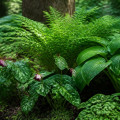
Native plants are species that have evolved in a specific region over thousands of years, adapting to the local climate, soil, and wildlife. These plants are not only integral to their ecosystems but also play a crucial role in supporting local biodiversity. By definition, a plant is considered native if it has existed in a particular area prior to European settlement, meaning it has developed alongside the local fauna and flora, creating a balanced environment. One of the defining characteristics of native plants is their ability to thrive in their natural habitat without the need for excessive care or resources. They are well-suited to the local climate and soil conditions, making them resilient against pests and diseases that may affect non-native species.
Additionally, native plants often provide essential habitats and food sources for local wildlife, including birds, insects, and other animals. This interdependence fosters a healthy ecosystem where each species plays a vital role. Incorporating native plants into your garden not only enhances its beauty but also contributes to environmental sustainability. By choosing these plants for your landscape, you help preserve the natural heritage of your region while promoting ecological balance. Native plant gardening is more than just a trend; it is a commitment to fostering a thriving ecosystem that benefits both humans and wildlife alike.
The Importance of Native Plants in Gardening
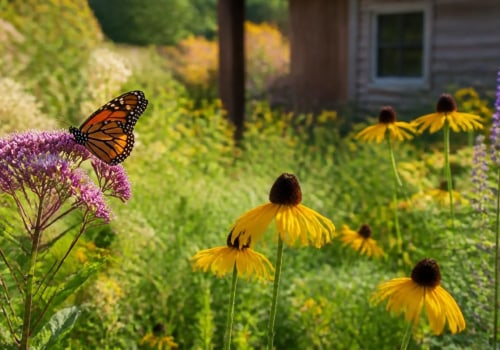
Incorporating native plants into your garden offers a multitude of ecological and aesthetic benefits that can enhance both the environment and your gardening experience.One of the primary advantages of using native plants is their ability to thrive in local conditions, which means they require less water, fertilizer, and maintenance compared to non-native species. This not only conserves resources but also reduces the need for chemical inputs that can harm local ecosystems.Moreover, native plants play a crucial role in supporting local wildlife. They provide essential habitats and food sources for various species, including birds, butterflies, and beneficial insects. By choosing native plants for your garden, you contribute to the preservation of biodiversity in your area.
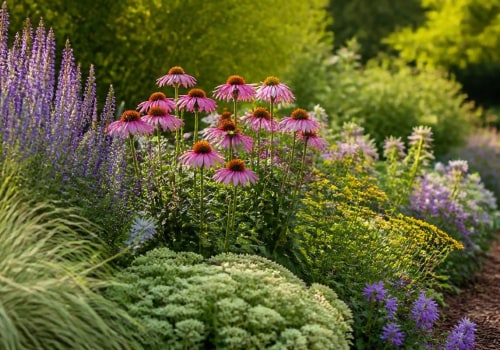
This is particularly important as many non-native plants can become invasive, outcompeting local flora and disrupting the natural balance.From an aesthetic perspective, native plants offer unique beauty that reflects the natural landscape of your region. Their seasonal blooms and varied textures can create a visually appealing garden that changes throughout the year. Additionally, many native species have adapted to local soil types and climate conditions, ensuring that they will flourish with minimal intervention.Here are some key benefits of native plant gardening:
- Low Maintenance: Native plants are adapted to local conditions, requiring less care.
- Water Conservation: They typically need less irrigation once established.
- Biodiversity Support: Native plants attract and sustain local wildlife.
- Aesthetic Appeal: They enhance the beauty of your garden with natural colors and forms.
- Soil Health: Native plants improve soil quality and prevent erosion.
Types of Native Plants
When it comes to native plant gardening, understanding the different types of native plants is essential for creating a thriving ecosystem in your garden.Native plants are those that have evolved in a specific region and are adapted to the local climate, soil, and wildlife. Here, we categorize native plants based on their regions and provide examples to inspire your gardening efforts.
1.Eastern United States
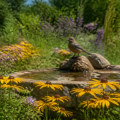
- Black-eyed Susan (Rudbeckia hirta) : A vibrant yellow flower that attracts pollinators.
- Eastern Redbud (Cercis canadensis) : A small tree with stunning pink flowers in early spring.
- Wild Bergamot (Monarda fistulosa) : A fragrant herb that is a favorite among bees and butterflies.
2.Western United States
- California Poppy (Eschscholzia californica) : The state flower of California, known for its bright orange blooms.
- Bluebell (Campanula rotundifolia) : A delicate flower that thrives in rocky soils.
- Western Red Cedar (Thuja plicata) : A majestic tree that provides habitat for various wildlife.
3.Midwest United States
- Prairie Dropseed (Sporobolus heterolepis) : A grass that adds texture and movement to gardens.
- Butterfly Milkweed (Asclepias tuberosa) : Essential for monarch butterflies, this plant features bright orange flowers.
- Compass Plant (Silphium laciniatum) : Known for its tall stalks and large leaves, it is a striking addition to any garden.
4.Southern United States
- Southern Magnolia (Magnolia grandiflora) : Famous for its large, fragrant white flowers and glossy leaves.
- Firebush (Hamelia patens) : A shrub that attracts hummingbirds with its tubular red-orange flowers.
- Pawpaw (Asimina triloba) : A small tree that produces unique, custard-like fruits.
How to Identify Native Plants
Identifying native plants can be a rewarding experience, especially for those interested in native plant gardening.Here are some practical tips to help you recognize native species in various environments.
1.Research Local Flora
Start by familiarizing yourself with the plants that are native to your region. Local extension services, botanical gardens, and native plant societies often provide resources, including lists and guides. Websites like the USDA Plant Database can also be invaluable.2.Observe Plant Characteristics
When trying to identify a plant, pay attention to its characteristics:- Leaf Shape: Native plants often have distinct leaf shapes that can help in identification. For example, many native wildflowers have broad leaves, while grasses may have narrow blades.
- Flower Color and Structure: The color and arrangement of flowers can be key indicators.
Native plants typically bloom at specific times of the year, so knowing the blooming season can aid in identification.
- Growth Habit: Observe whether the plant is a shrub, tree, or herbaceous perennial. This can help narrow down your options.
3.Use Field Guides and Apps
Field guides specific to your area can be extremely helpful. Many guides include pictures and descriptions that make it easier to identify plants in the wild. Additionally, smartphone apps like iNaturalist or PlantSnap allow you to take photos of plants and receive identification assistance from a community of users.4.Join Local Nature Walks or Workshops
Participating in guided nature walks or workshops hosted by local conservation groups can enhance your ability to identify native plants.These events often feature experts who share their knowledge about local flora and provide hands-on experience.
5.Take Notes and Document Findings
As you explore different environments, keep a journal of your observations. Documenting where you found certain plants, their characteristics, and any other relevant information will help reinforce your learning and improve your identification skills over time.By utilizing these tips, you’ll not only enhance your ability to identify native plants but also deepen your appreciation for the biodiversity in your area. This knowledge is essential for anyone interested in creating a thriving native plant garden.Creating a Native Plant Garden: Step-by-Step Guide
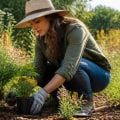
Creating a native plant garden is a rewarding endeavor that not only enhances the beauty of your landscape but also supports local ecosystems. Follow this step-by-step guide to design and plant your own native garden.- Research Native Plants: Start by identifying which plants are native to your region.
Resources like local extension services or native plant societies can provide valuable information. Focus on plants that thrive in your specific soil type, climate, and sunlight conditions.
- Plan Your Garden Layout: Consider the space you have available and how you want to use it. Sketch a layout that includes areas for different types of plants, such as perennials, shrubs, and grasses. Group plants with similar water and sunlight needs together to create a sustainable ecosystem.
- Prepare the Soil: Before planting, prepare the soil by removing any invasive species and weeds.
You may also want to amend the soil with organic matter to improve its structure and fertility. This step is crucial for ensuring that your native plants establish well.
- Select Your Plants: Choose a diverse selection of native plants to promote biodiversity. Aim for a mix of flowering plants, which attract pollinators, and foliage plants that provide habitat for wildlife. Consider seasonal bloom times to ensure year-round interest.
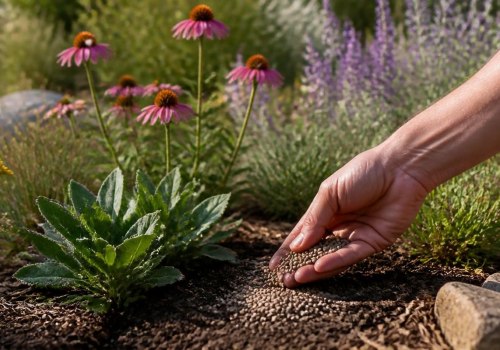
- Planting: When planting, follow the recommended spacing for each species to allow for growth.
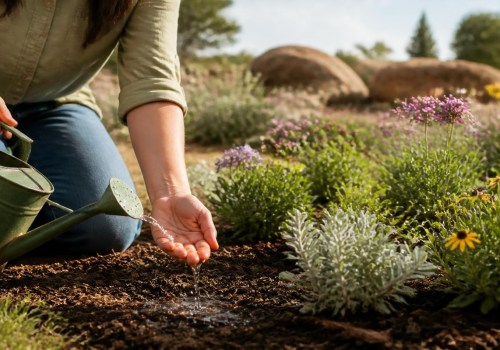
Dig holes that are twice as wide as the root ball but no deeper than the root itself. Place the plant in the hole, backfill with soil, and water thoroughly.
- Mulching: Apply a layer of organic mulch around your newly planted native plants. This helps retain moisture, suppress weeds, and regulate soil temperature. Be sure to keep mulch away from the plant stems to prevent rot.
- Maintenance: After planting, monitor your garden regularly.
Water new plants until they are established, typically for the first growing season. Remove any invasive species that may compete with your natives and consider using organic methods for pest control.
Common Mistakes in Native Plant Gardening
Engaging in native plant gardening can be a rewarding experience, but many gardeners fall into common traps that can hinder their success. Understanding these pitfalls is crucial for creating a thriving native garden.1.Choosing the Wrong Plants
One of the most frequent mistakes is selecting plants that are not truly native to the local ecosystem. It's essential to research and choose species that are indigenous to your area, as they are better adapted to the local climate, soil, and wildlife.2.Ignoring Soil Conditions
Another common error is neglecting soil health.Native plants often have specific soil requirements. Conduct a soil test to determine pH and nutrient levels, and amend the soil accordingly to create an optimal growing environment.
3.Overwatering or Underwatering
Many gardeners misjudge the watering needs of native plants. While some natives thrive in dry conditions, others may require more moisture. Always consider the natural habitat of the plants you choose and adjust your watering schedule accordingly.4.Planting at the Wrong Time
Timing is crucial in native plant gardening.Planting too early in spring or too late in fall can stress young plants. Aim to plant during the optimal season for your specific species to ensure they establish well.
5.Neglecting Maintenance
While native plants are generally low-maintenance, they still require some care. Regularly check for pests and diseases, and remove invasive species that may encroach on your garden space.6.Failing to Create Biodiversity
A common misconception is that planting a few native species is sufficient for biodiversity. To attract a variety of pollinators and wildlife, incorporate a diverse range of native plants that bloom at different times throughout the growing season. By avoiding these common mistakes, you can create a flourishing native garden that supports local ecosystems and enhances your outdoor space.Frequently Asked Questions About Native Plants
When it comes to native plant gardening, many enthusiasts have questions about the types of plants that qualify as native.Here are some common queries and their answers:
- What defines a native plant? A native plant is one that has evolved in a specific region over thousands of years. These plants are adapted to the local climate, soil, and wildlife, making them essential for maintaining ecological balance.
- Are all native plants suitable for gardening? Not all native plants are ideal for gardening. Some may require specific conditions or may not thrive in cultivated settings. It's important to research the needs of each species before incorporating them into your garden.
- How do I find native plants for my garden? Local nurseries often carry native plants, and many organizations focus on promoting native species.
Additionally, you can consult resources like the Native Plant Society or local extension services for guidance.
- Can I use non-native plants in a native plant garden? While the focus is on native species, some gardeners choose to include non-invasive non-native plants that complement the ecosystem without harming it. However, caution is advised to prevent competition with native flora.
- What are the benefits of using native plants in gardening? Native plants offer numerous benefits, including lower maintenance requirements, reduced water usage, and support for local wildlife such as pollinators and birds. They also contribute to biodiversity and help restore natural habitats.
Conclusion: Embracing Native Plant Gardening
In conclusion, native plant gardening is not just a trend; it is a vital practice that supports local ecosystems and promotes biodiversity. By choosing plants that are indigenous to your region, you are making a conscious decision to enhance the natural beauty of your landscape while providing essential habitats for wildlife.Throughout this article, we have explored the various types of plants considered native, including:- Wildflowers: These vibrant blooms attract pollinators and add color to your garden.
- Shrubs: Native shrubs provide shelter and food for birds and other wildlife.
- Trees: Planting native trees contributes to carbon sequestration and offers shade and habitat.
- Grasses: Native grasses are drought-resistant and help prevent soil erosion.
Native plants are adapted to local soil and climate conditions, making them easier to maintain and more resilient against pests and diseases.Moreover, native plant gardening fosters a deeper connection with nature. It encourages us to appreciate the unique flora of our regions and understand the ecological roles they play. As we cultivate these plants, we also cultivate a sense of responsibility towards our environment.As you embark on your native gardening journey, remember that every small effort counts. Whether you start with a few native wildflowers or transform your entire landscape, you contribute to a healthier ecosystem.
Embrace the beauty and benefits of native plants, and inspire others to do the same.