Native plant gardening is an increasingly popular approach to landscaping that emphasizes the use of plants indigenous to a specific region. This method not only enhances the natural beauty of the landscape but also supports local ecosystems. In mountainous regions, where the climate and soil conditions can vary dramatically, understanding the unique characteristics of native plants becomes essential for successful gardening. One of the primary benefits of native plants is their adaptability to local environmental conditions. These plants have evolved over time to thrive in specific climates, making them more resilient to pests, diseases, and extreme weather.
In mountainous areas, where factors such as elevation, slope, and soil composition can significantly impact plant growth, choosing the right native species can lead to a flourishing garden that requires less maintenance and water. Moreover, native plant gardening plays a crucial role in preserving biodiversity. By planting species that are native to mountainous regions, gardeners can create habitats for local wildlife, including pollinators like bees and butterflies. This not only contributes to a healthier ecosystem but also enhances the overall aesthetic appeal of the garden. As we delve deeper into the specifics of gardening in these unique landscapes, it becomes clear that understanding the principles of gardening basics alongside the benefits of native plants is vital for creating a sustainable and vibrant garden.
Characteristics of Mountainous Regions
Mountainous regions present a unique set of characteristics that significantly influence native plant gardening.Understanding these factors is crucial for successful gardening in such environments.
Climate Variations
The climate in mountainous areas can vary dramatically with elevation. Generally, temperatures decrease as altitude increases, leading to cooler conditions at higher elevations. This can affect the growing season, which is often shorter in mountainous regions compared to lowland areas. Additionally, precipitation patterns can differ; some mountains may experience heavy rainfall on one side (the windward side) while the other side remains dry (the leeward side).Gardeners should consider these climatic variations when selecting native plants that are adapted to specific microclimates.
Soil Types
The soil in mountainous regions is often rocky and well-drained, which can pose challenges for plant growth.Soil composition
may vary widely depending on the geology of the area, affecting nutrient availability. Many native plants in these regions have adapted to thrive in poor soil conditions, making them ideal candidates for a native plant garden. It’s essential to conduct a soil test to understand pH levels and nutrient content before planting.Elevation Effects
Elevation not only impacts temperature and precipitation but also influences air pressure and sunlight exposure.Higher elevations typically have more intense sunlight, which can lead to increased evaporation rates. This means that plants may require more water than those at lower elevations. Additionally, the wind can be stronger in mountainous areas, which may necessitate windbreaks or protective measures for more delicate native species.In summary, when planning a native plant garden in a mountainous region, it is vital to consider the unique climate variations, soil types, and elevation effects. By selecting appropriate native plants that are well-suited to these conditions, gardeners can create a thriving ecosystem that enhances both biodiversity and landscape beauty.
Choosing the Right Native Plants for Mountain Gardens
When embarking on native plant gardening in mountainous regions, selecting the right plants is crucial for creating a thriving ecosystem.The unique conditions of these areas, such as elevation, soil type, and climate, necessitate careful consideration of local flora and the specific needs of each plant.
Understanding Hardiness Zones
- Before choosing plants, familiarize yourself with the hardiness zones in your mountainous area. These zones indicate the minimum temperatures that plants can withstand, helping you select species that will survive and flourish.
- Consult local gardening resources or extension services to determine which native plants are best suited for your specific zone.
Evaluating Soil Conditions
- The soil in mountainous regions can vary significantly. Conduct a soil test to assess pH levels and nutrient content, which will guide your plant selection.
- Many native plants prefer well-drained soils, so consider incorporating organic matter to improve drainage if your soil is heavy or clay-like.
Selecting Native Species
- Focus on native plants for mountains that are adapted to the local climate and soil conditions. Species such as Ponderosa Pine, Mountain Bluebell, and Alpine Aster are excellent choices that provide habitat for local wildlife.
- Research the ecological roles of these plants; some may attract pollinators while others can help prevent soil erosion.
Considering Sunlight and Water Availability
- Assess the sunlight exposure in your garden area.
Some native plants thrive in full sun, while others prefer partial shade. This will influence your layout and plant placement.
- Water availability is another critical factor. Mountainous regions can experience variable rainfall; therefore, choose drought-tolerant species if water is limited.
Soil Preparation and Amendments for Mountain Gardens
When embarking on native plant gardening in mountainous regions, proper soil preparation is crucial for the success of your garden. The unique topography and climate of these areas can present specific challenges, particularly concerning drainage and nutrient availability.Understanding Soil Composition
- The soil in mountainous areas often consists of rocky, well-draining materials that may lack essential nutrients.
- Conducting a soil test can help determine pH levels and nutrient content, guiding your amendment choices.
Improving Drainage
In many mountainous regions, the steep slopes can lead to rapid water runoff, which may prevent adequate moisture retention for plants.
To address this:
- Create terraces or raised beds to slow down water flow and allow for better absorption.
- Add organic matter such as compost or well-rotted manure to improve soil structure and enhance moisture retention.
- Incorporate materials like perlite or vermiculite to increase aeration and drainage in heavy soils.
Nutrient Amendments
Once you have addressed drainage issues, focus on enriching the soil with nutrients:
- Add organic fertilizers, such as bone meal or fish emulsion, to provide essential nutrients without overwhelming the native ecosystem.
- Consider using slow-release fertilizers to ensure a steady supply of nutrients over time.
- Mulching with native plant materials can also help retain moisture and gradually enrich the soil as it decomposes.
Watering Considerations in Mountainous Regions
When it comes to watering native plants in mountainous regions, understanding the unique rainfall patterns and topography is crucial. Mountainous areas often experience variable weather conditions, which can significantly affect soil moisture levels and plant health.Understanding Rainfall Patterns
- Mountainous regions typically have higher precipitation at higher elevations, but this can vary greatly depending on the specific location and season.
- Rainfall may be more frequent in spring and fall, while summer can bring dry spells, necessitating careful planning for irrigation.
- Consider the microclimates within your garden; areas that are shaded or sheltered may retain moisture longer than exposed spots.
Irrigation Methods
- Drip irrigation is highly effective in mountainous gardens, as it delivers water directly to the roots of plants, minimizing evaporation and runoff.
- Soaker hoses can also be beneficial, especially in areas with uneven terrain where traditional sprinklers may not distribute water evenly.
- If your garden has a slope, consider using terracing to create flat areas that can hold water better and reduce erosion.
Water Conservation Techniques
- Incorporate mulching around your native plants to help retain soil moisture and regulate temperature.
- Utilize rain barrels to collect runoff from roofs or other surfaces, providing a sustainable water source during drier periods.
- Select native plants that are adapted to your local climate; many native species are drought-resistant and require less frequent watering once established.
Sunlight and Microclimates in Mountain Gardens
When engaging in native plant gardening in mountainous regions, understanding the interplay of sunlight and microclimates is crucial for the success of your garden. The elevation and topography of mountainous areas create unique conditions that can significantly influence plant growth.Sunlight Requirements for Native Plants
- Different native plants have varying sunlight needs, ranging from full sun to partial shade. It’s essential to assess the specific light requirements of each species you plan to include in your garden.
- In mountainous regions, the angle of the sun changes with elevation, which can affect how much light reaches your plants.
South-facing slopes typically receive more sunlight than north-facing ones.
- Consider the time of day when planning your garden layout; morning sun can be gentler and more beneficial for certain plants compared to harsh afternoon rays.
Understanding Microclimates
Microclimates are small areas within a larger climate zone that experience different environmental conditions. In mountainous regions, these can be influenced by factors such as:
- Elevation: Higher elevations may have cooler temperatures and shorter growing seasons.
- Slope Orientation: South-facing slopes tend to be warmer and drier, while north-facing slopes may retain moisture and provide cooler conditions.
- Wind Exposure: Areas shielded from strong winds can create warmer microclimates, beneficial for more delicate native plants.
Shade Considerations
In addition to sunlight exposure, it’s important to consider shade when planning your native plant garden:
- Identify areas that receive consistent shade from trees or structures. These spots can be ideal for shade-tolerant native plants.
- Utilize taller plants to create layered planting schemes that provide both sun and shade, allowing you to maximize space and diversity.
- Monitor how shadows shift throughout the day and across seasons to ensure that all plants receive adequate light.
Wildlife Considerations in Native Plant Gardens
Creating a wildlife-friendly garden in mountainous regions requires thoughtful planning to ensure that the ecosystem thrives. By incorporating native plants, you can attract a variety of beneficial species while effectively managing pests.Attracting Pollinators
One of the primary goals of a native plant garden is to attract pollinators such as bees, butterflies, and hummingbirds.
To achieve this, select a diverse range of flowering plants that bloom at different times throughout the growing season. This ensures a continuous food source for pollinators. For mountainous areas, consider plants like mountain laurel, columbine, and wild geranium, which are not only beautiful but also well-suited to the local climate.
Pest Management
While attracting wildlife is essential, managing pests is equally important. Native plants are often more resistant to local pests and diseases, reducing the need for chemical interventions.
Implementing integrated pest management (IPM) strategies can help maintain a healthy garden ecosystem. This includes:
- Encouraging Beneficial Insects: Ladybugs and lacewings are natural predators of aphids and other harmful insects. Planting herbs like dill and fennel can attract these beneficial species.
- Companion Planting: Pairing certain plants can deter pests naturally. For example, planting marigolds alongside vegetables can help repel nematodes.
- Physical Barriers: Use row covers or netting to protect vulnerable plants from insect damage without resorting to pesticides.
Creating Habitat
A successful wildlife-friendly garden also provides habitat for various species.
Incorporate features such as:
- Nesting Sites: Install birdhouses or leave areas of brush for small mammals and birds to nest.
- Water Sources: A small pond or birdbath can attract wildlife while providing hydration.
- Diverse Plant Layers: Include ground covers, shrubs, and trees to create layers that offer shelter and food for different species.
Maintenance Tips for Mountain Native Plant Gardens
Maintaining a native plant garden in mountainous regions requires specific strategies to accommodate the unique environmental conditions. Here are some essential maintenance tips to ensure your garden thrives.Seasonal Care Tips
- Spring: As the snow melts, inspect your plants for any winter damage. Remove any dead or damaged foliage to promote healthy growth. This is also the ideal time to apply a layer of organic mulch to retain moisture and suppress weeds.
- Summer: Monitor soil moisture closely, especially during dry spells.
Native plants are generally drought-tolerant, but young plants may need additional watering. Consider using drip irrigation to minimize water waste.
- Fall: After the first frost, cut back perennials to prevent disease and encourage new growth in the spring. Collect fallen leaves and organic matter to create compost, which can enrich your soil.
- Winter: Protect sensitive plants from harsh winter winds by using burlap screens or windbreaks. Ensure that any heavy snow accumulation is gently brushed off branches to prevent breakage.
Pruning Techniques
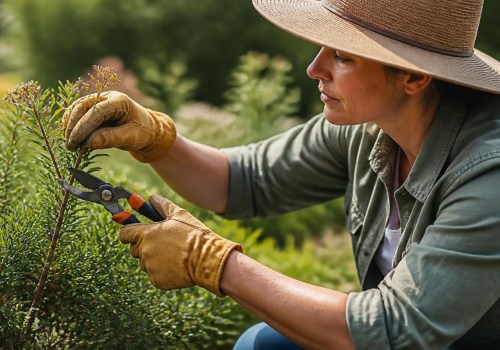
Pruning is crucial for maintaining the health and aesthetics of your native plant garden.Here are some effective techniques:
- Timing: Prune during the dormant season (late fall to early spring) for most shrubs and trees. This minimizes stress on the plants and encourages vigorous growth in spring.
- Technique: Use clean, sharp tools to make precise cuts. Remove dead or diseased branches first, followed by any crossing branches that may rub against each other.
- Shaping: Aim for a natural shape that complements the plant's growth habit. Avoid excessive cutting; instead, focus on thinning out crowded areas to improve air circulation.
Common Challenges in Mountain Native Plant Gardening and Solutions
Gardening in mountainous regions presents unique challenges that can impact the success of native plant gardening.Understanding these challenges and implementing effective solutions is crucial for creating a thriving garden.1.Soil Erosion Mountainous areas often experience significant soil erosion due to steep slopes and heavy rainfall. This can wash away nutrients and destabilize plant roots. To combat this, consider:
- Terracing: Create terraces to slow down water runoff and reduce erosion.
- Ground Covers: Plant native ground covers that help hold the soil in place while providing habitat for local wildlife.
- Rain Gardens: Design rain gardens to capture and utilize runoff effectively.
- Drought-Resistant Plants: Choose native plants that are adapted to dry conditions, such as Artemisia or Eriogonum.
To mitigate this:
- Microclimates: Identify and utilize microclimates within your garden that may offer more stable temperatures.
- Mulching: Apply organic mulch to help regulate soil temperature and retain moisture.
- Native Fencing: Use fencing made from natural materials to deter larger animals while allowing smaller creatures access.
- Diversity: Plant a diverse range of native species to create a balanced ecosystem that supports beneficial wildlife.
Conclusion: Embracing Native Plant Gardening in Mountains
In conclusion, native plant gardening in mountainous regions offers a unique opportunity to create sustainable and resilient landscapes that harmonize with the local ecosystem. By focusing on plants that are naturally adapted to the specific conditions of elevation, soil type, and climate, gardeners can foster biodiversity and support local wildlife.Throughout this article, we have explored several key considerations for successful native plant gardening in mountainous areas:- Soil Composition: Understanding the soil types prevalent in your area is crucial.
Mountain soils can vary significantly, often being rocky or sandy, which influences water retention and nutrient availability.
- Microclimates: Mountains create diverse microclimates. Identifying these variations can help you select plants that thrive in specific conditions, whether they be sunny slopes or shaded valleys.
- Water Management: Due to the potential for rapid drainage and runoff in mountainous terrain, implementing effective water management strategies is essential. Techniques such as rain gardens or terracing can help retain moisture for your native plants.
- Wildlife Considerations: Native plants attract local pollinators and other wildlife. By choosing the right species, you can create a thriving habitat that supports the ecological balance of your garden.
By prioritizing native species, gardeners can play a vital role in preserving the unique flora and fauna of their mountainous ecosystems. As you embark on your gardening journey, remember that each plant choice contributes to a larger narrative of sustainability and ecological stewardship.