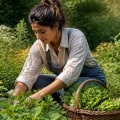
A rain garden is a specially designed landscape feature that captures and absorbs rainwater runoff from impervious surfaces like roofs, driveways, and sidewalks. By allowing water to infiltrate the soil, rain gardens help reduce flooding, improve water quality, and recharge groundwater supplies. These gardens are typically planted with a variety of native plants that thrive in wet conditions, making them not only functional but also aesthetically pleasing. The benefits of rain gardens extend beyond mere water management. They serve as vital habitats for local wildlife, including birds, butterflies, and beneficial insects.
By incorporating native plants into your rain garden, you create a sustainable ecosystem that supports biodiversity. Native plants are adapted to the local climate and soil conditions, requiring less maintenance and fewer resources than non-native species. This means less watering, fertilizing, and pesticide use, which is better for the environment. Moreover, native plant gardening in rain gardens can significantly enhance the resilience of your landscape against climate change. As weather patterns become more unpredictable, these gardens can help mitigate the effects of heavy rainfall and drought by maintaining soil health and preventing erosion.
In essence, a rain garden filled with native plants is not just a beautiful addition to your property; it is a proactive step towards creating a more sustainable and ecologically balanced environment.
Choosing the Right Native Plants for Your Rain Garden
When it comes to native plant gardening, selecting the right plants for your rain garden is essential for its success. The ideal plants will thrive in the specific conditions of your garden while also supporting local wildlife. Here are some key factors to consider when choosing native plants:- Local Climate: Understand the climate of your region, including temperature ranges and seasonal rainfall patterns. Choose plants that are well-adapted to your local climate to ensure they can survive and flourish.
- Soil Type: Assess the soil in your rain garden.
Is it sandy, clayey, or loamy? Different native plants have varying soil preferences. For instance, Asclepias tuberosa (Butterfly Weed) prefers well-drained soils, while Carex stricta (Tussock Sedge) thrives in wetter conditions.
- Water Conditions: Determine how much water your rain garden will retain after a storm. Some plants, like Iris versicolor (Blue Flag Iris), can tolerate standing water, while others, such as Echinacea purpurea (Purple Coneflower), prefer drier conditions.
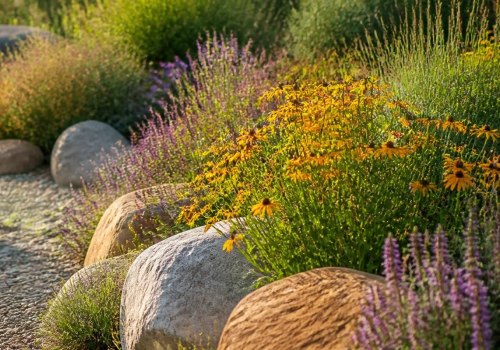
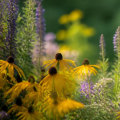
- Rudbeckia hirta (Black-eyed Susan) - A hardy perennial that attracts pollinators and thrives in various soil types.
- Monarda fistulosa (Wild Bergamot) - Known for its fragrant flowers and ability to attract bees and butterflies.
- Solidago canadensis (Canada Goldenrod) - A resilient plant that provides late-season nectar for pollinators.
- Panicum virgatum (Switchgrass) - Excellent for erosion control and can tolerate both wet and dry conditions.
Designing Your Rain Garden Layout
Designing an effective rain garden layout is crucial for maximizing water absorption and ensuring the health of your native plant gardening efforts. Here are some essential tips to consider when planning your rain garden:- Assess the Site: Begin by evaluating the area where you plan to install your rain garden.
Look for natural slopes and drainage patterns, as these will influence the placement and size of your garden. Ideally, choose a location that receives runoff from impervious surfaces like driveways or roofs.
- Determine Size and Shape: The size of your rain garden should be proportional to the area of the impervious surface it drains. A general rule of thumb is to make the garden about 20% of the size of the contributing area. As for shape, a wider, shallow basin is often more effective than a deep, narrow one.
- Layering Plants: Incorporate a variety of native plants that thrive in different moisture levels.
Place wetland species in the center where water collects, while drought-tolerant plants can be positioned at the edges. This layering not only enhances biodiversity but also ensures that all plants receive optimal conditions.
- Soil Preparation: The soil in your rain garden should be well-draining yet capable of retaining moisture. Consider amending existing soil with organic matter or sand to improve drainage and nutrient content. A mix of sandy loam is often ideal for supporting diverse native plant species.
- Incorporate Hardscaping: Use rocks or gravel to create natural barriers and direct water flow within the garden.
These elements can also add visual interest while helping to stabilize soil and prevent erosion.
Planting Techniques for Native Plants in Rain Gardens
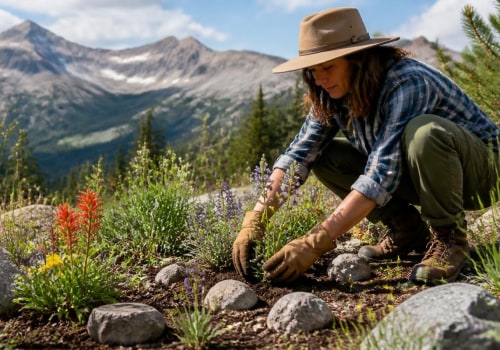
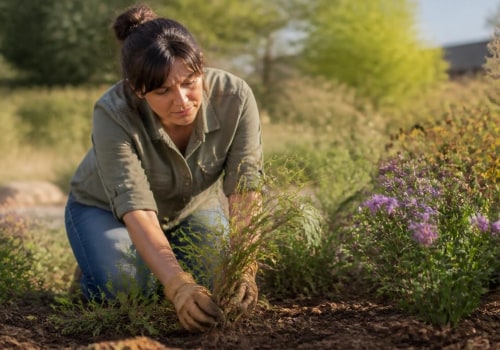
Incorporating native plants into a rain garden requires careful attention to planting techniques to ensure their successful establishment and growth. Here are some best practices to follow:- Timing: The ideal time to plant native species is during the spring or fall. This allows plants to establish their root systems before the heat of summer or the cold of winter.
- Spacing: Proper spacing is crucial for the health of your rain garden.
Native plants should be spaced according to their mature size, typically ranging from 1 to 3 feet apart. This spacing allows for adequate air circulation and reduces competition for nutrients.
- Depth: When planting, ensure that the root ball of each native plant is level with the surrounding soil. If the plant is too deep, it may struggle to grow; if it’s too high, it may dry out. A good rule of thumb is to dig a hole that is twice as wide as the root ball and just as deep.
- Soil Preparation: Before planting, amend the soil with organic matter such as compost.
This enhances drainage and provides essential nutrients for your native plants.
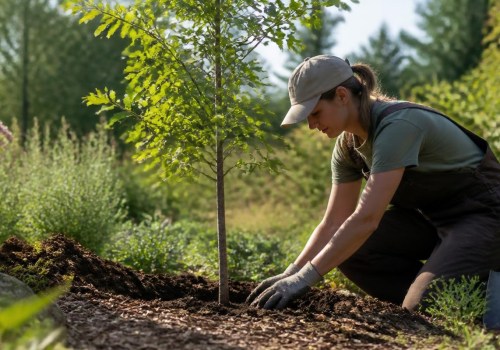
- Mulching: After planting, apply a layer of mulch around each plant. This helps retain moisture, suppress weeds, and regulate soil temperature.
- Watering: Newly planted native species require regular watering until they are established. Monitor soil moisture and water deeply but infrequently to encourage deep root growth.
Maintenance Tips for a Thriving Rain Garden
Maintaining a rain garden is essential for ensuring its longevity and the health of the native plants within it. Here are some key maintenance tips to keep your rain garden thriving:- Watering: While rain gardens are designed to manage stormwater, newly planted native species may require supplemental watering during dry spells.
Aim to water deeply but infrequently, allowing the soil to dry out between watering sessions.
- Weeding: Regularly check for invasive weeds that can compete with your native plants. Hand-pulling is often the best method, especially when weeds are small. Mulching can also help suppress weed growth.
- Seasonal Care: In the fall, cut back perennials to about 6 inches above the ground to promote healthy growth in the spring. Leave some seed heads for winter interest and to provide food for birds.
- Monitoring Plant Health: Keep an eye on your plants for signs of stress or disease.
Yellowing leaves may indicate overwatering, while wilting could suggest underwatering. Adjust your care routine accordingly.
- Soil Health: Periodically check the soil quality in your rain garden. Adding organic matter, such as compost, can improve soil structure and nutrient content, benefiting your native plants.
Common Challenges and Solutions in Native Plant Gardening
Incorporating native plants into a rain garden can be a rewarding endeavor, but it often comes with its own set of challenges.Understanding these common issues and their solutions can help ensure your rain garden thrives.
Common Challenges
- Soil Quality: Many native plants require specific soil conditions to flourish. Poor drainage or compacted soil can hinder growth.
- Water Management: Rain gardens are designed to manage stormwater, but improper design can lead to standing water or dry patches.
- Pest and Disease Issues: While native plants are generally more resilient, they can still fall victim to pests and diseases that may affect their health.
- Competition from Invasive Species: Invasive plants can outcompete native species for resources, making it difficult for them to establish.
Practical Solutions
- Improve Soil Quality: Conduct a soil test to determine pH and nutrient levels. Amend the soil with organic matter to enhance drainage and fertility.
- Design for Water Flow: Ensure your rain garden is properly sized and positioned to capture runoff effectively. Use a mix of plants that thrive in both wet and dry conditions to accommodate varying moisture levels.
- Pest Management: Monitor your plants regularly for signs of pests or disease.
Introduce beneficial insects, such as ladybugs, or use organic treatments when necessary.
- Control Invasive Species: Regularly inspect your garden for invasive plants and remove them promptly. Consider using mulch to suppress their growth while promoting the health of your native plants.
FAQs About Native Plant Gardening in Rain Gardens
When it comes to native plant gardening in rain gardens, many homeowners have questions about the best practices and benefits. Here are some frequently asked questions that can help clarify common concerns and misconceptions.What are the benefits of using native plants in rain gardens?
Native plants are well-adapted to local climates and soil conditions, making them more resilient and easier to maintain. They require less water and fertilizer compared to non-native species, which can lead to lower maintenance costs.Additionally, native plants support local wildlife, including pollinators like bees and butterflies, enhancing biodiversity in your garden.
How do I choose the right native plants for my rain garden?
When selecting native plants, consider your local climate, soil type, and the specific conditions of your rain garden, such as sun exposure and moisture levels. It's beneficial to consult local extension services or native plant societies for recommendations on species that thrive in your area. Look for a mix of plants that bloom at different times to provide continuous color and habitat throughout the growing season.Can I mix native plants with non-native species?
While it is possible to incorporate some non-native species into your rain garden, it is generally recommended to focus on native plant gardening. Non-native plants can sometimes outcompete natives for resources and may not provide the same ecological benefits.If you choose to include non-natives, ensure they are non-invasive and complement the native species.
How do I maintain a rain garden with native plants?
Maintenance for a rain garden primarily involves monitoring plant health, controlling weeds, and ensuring proper drainage. Native plants typically require less intervention than non-natives. Regularly check for invasive species and remove them promptly. During dry spells, you may need to water newly planted natives until they establish strong root systems.By addressing these common questions about native plant gardening in rain gardens, you can create a thriving ecosystem that benefits both your landscape and the environment.Conclusion: Embracing Native Plants in Your Rain Garden Journey
Incorporating native plants into your rain garden is not just a sustainable choice; it’s a step towards fostering a healthier ecosystem.Throughout this article, we’ve explored various strategies to effectively integrate these plants into your garden design, emphasizing their benefits for both the environment and your local wildlife.To recap, here are some key points to consider:
- Choose the Right Plants: Selecting native species that thrive in your specific climate and soil conditions is crucial. This ensures that your rain garden will flourish with minimal maintenance.
- Diversity is Key: Incorporating a variety of native plants can enhance biodiversity, attracting beneficial insects and pollinators while providing habitat for local wildlife.
- Design for Functionality: Consider the layout of your rain garden. Grouping plants with similar water needs can optimize water absorption and reduce runoff.
- Seasonal Interest: Select plants that offer visual appeal throughout the seasons. This not only beautifies your space but also supports wildlife year-round.
By choosing to incorporate native plants into your rain garden, you are playing a vital role in conserving local ecosystems and promoting biodiversity.We encourage you to take the next step: visit local nurseries or botanical gardens to learn more about native species in your area. Engage with community groups focused on native plant gardening, and share your experiences with others. Together, we can create vibrant rain gardens that not only manage stormwater effectively but also celebrate the beauty and resilience of our native flora.