Native plants are species that have evolved in a specific region over thousands of years, adapting to the local climate, soil, and wildlife. These plants play a crucial role in maintaining the ecological balance of their environments. By supporting local wildlife, including pollinators like bees and butterflies, native plants contribute to a thriving ecosystem. They provide essential food and habitat for various species, making them indispensable for biodiversity. The importance of native plants extends beyond their ecological contributions.
They are often more resilient to local pests and diseases, requiring less water and maintenance compared to non-native species. This resilience not only benefits the gardener by reducing the need for chemical fertilizers and pesticides but also promotes a healthier environment. By choosing to cultivate native plants, gardeners can create sustainable landscapes that thrive with minimal intervention. Moreover, native plant gardening offers numerous benefits for homeowners and communities alike. These gardens can enhance the aesthetic appeal of properties while simultaneously supporting local wildlife.
They help in soil conservation, reduce erosion, and improve water quality by filtering runoff. As more people recognize the value of native plants, there is a growing movement towards incorporating them into residential landscapes, which fosters a deeper connection between individuals and their local ecosystems.
Choosing the Right Native Plants for Your Garden
When embarking on native plant gardening, the first step is to understand how to choose the right native plants for your specific garden environment. Selecting plants that are well-suited to your local climate and soil conditions is crucial for creating a thriving ecosystem.Assess Your Local Climate
- Consider the hardiness zone of your area, which indicates the types of plants that can survive winter temperatures.
- Evaluate rainfall patterns and temperature ranges to determine which native species will flourish.
Understand Soil Conditions
- Conduct a soil test to check pH levels and nutrient content, as different native plants have varying soil preferences.
- Identify whether your soil is sandy, clayey, or loamy, as this will influence your plant choices.
Define Your Garden Goals
- Decide if you want to attract specific wildlife, such as pollinators or birds, which can guide your plant selection.
- Consider whether you aim for aesthetic appeal, erosion control, or habitat restoration, as these goals will dictate the types of plants you should include.
Research Local Native Plant Species
Familiarize yourself with the best native plants for gardening in your region. Local extension services or native plant societies can provide valuable resources.
Some popular choices include:
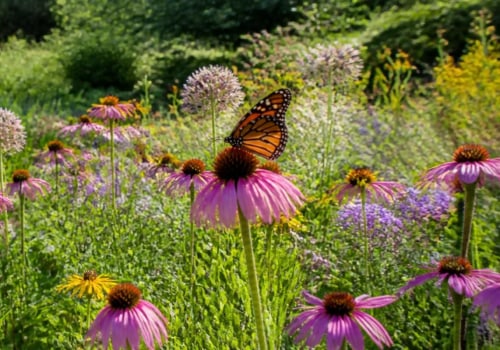
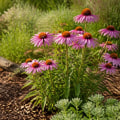
- Echinacea purpurea (Purple Coneflower) - great for attracting pollinators.
- Asclepias tuberosa (Butterfly Weed) - essential for monarch butterflies.
- Rudbeckia hirta (Black-eyed Susan) - a hardy perennial that adds vibrant color.
Soil Preparation Techniques for Native Plant Gardening
Successful native plant gardening begins with proper soil preparation. Understanding the specific needs of native plants can significantly enhance their growth and resilience. Here are some essential techniques to consider:Soil Testing
Before planting, conduct a soil test to determine pH levels and nutrient content.This information is crucial for understanding what amendments may be necessary. Most native plants thrive in well-drained soils with a pH between 6.0 and 7.5.Soil testing kits are readily available at garden centers or through local extension services.
Improving Soil Quality
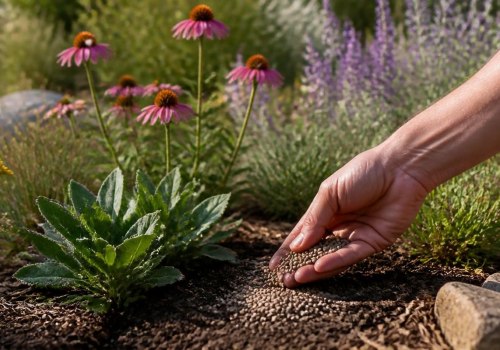
Once you have your soil test results, you can make informed decisions about amendments:- Organic Matter: Incorporate compost or well-rotted manure to improve soil structure, enhance moisture retention, and provide essential nutrients.
- Mulching: Apply a layer of organic mulch around your plants to suppress weeds, retain moisture, and gradually enrich the soil as it decomposes.
- Sand or Gravel: If your soil is heavy clay, adding sand or gravel can improve drainage, which is vital for many native species.
Understanding Soil Types
Different native plants have varying preferences for soil types:- Sandy Soils: Ideal for drought-tolerant species like Echinacea and Rudbeckia.
- Clay Soils: Suitable for moisture-loving plants such as Iris and Aster.
- Silty Soils: These are fertile and can support a wide range of native plants.
Planting Techniques for Native Plants
When it comes to native plant gardening, employing the right planting techniques is crucial for ensuring the successful establishment of your plants. Here are some essential tips to consider:1.Timing Your Planting
The best time to plant native species is during the early spring or fall. This timing allows plants to establish their root systems before facing the stress of summer heat or winter cold.2.Proper Planting Depth
Planting depth is vital for the health of your native plants.Generally, you should:
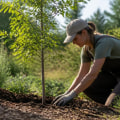
- Dig a hole that is twice as wide as the root ball but no deeper than the root ball itself.
- Position the plant so that the top of the root ball is level with the soil surface. This prevents water from pooling around the stem, which can lead to rot.
3.Spacing Considerations
Spacing between plants is another critical factor. Native plants often require more space than traditional garden varieties:- Follow recommended spacing guidelines for each species, which can typically be found on plant tags or in gardening resources.
- Aim for a distance that allows for air circulation and sunlight penetration, which helps prevent disease and promotes healthy growth.
4.Soil Preparation
Before planting, prepare your soil by:- Removing weeds and debris from the area.
- Tilling the soil lightly to improve aeration and drainage.
- Add organic matter, such as compost, to enhance soil fertility and structure.
Watering and Irrigation Strategies for Native Plants
When it comes to native plant gardening, understanding the specific watering and irrigation needs of these plants is crucial for their success. Native plants are often adapted to local climates and soil conditions, which means they typically require less water than non-native species once established.However, implementing effective watering strategies can significantly enhance their growth and resilience.
Watering Techniques for Native Plants
To ensure your native plants thrive, consider the following watering techniques:- Deep Watering: Instead of frequent shallow watering, aim for deep watering sessions that encourage roots to grow deeper into the soil. This method helps plants access moisture during dry spells.
- Timing: Water early in the morning or late in the afternoon to minimize evaporation. Avoid watering during the hottest part of the day.
- Soil Moisture Monitoring: Use a moisture meter or simply check the soil with your finger. Water only when the top inch of soil feels dry to prevent overwatering.
Irrigation Methods for Sustainable Gardening
Incorporating sustainable irrigation methods can further support your native plant garden:- Drip Irrigation: This method delivers water directly to the roots, reducing waste and ensuring that plants receive adequate moisture without saturating the surrounding area.
- Rainwater Harvesting: Collecting rainwater in barrels can provide a sustainable water source for your garden.
This practice not only conserves water but also reduces runoff and erosion.
- Xeriscaping: Design your garden with drought-resistant native plants that require minimal irrigation. Grouping plants with similar water needs can optimize water usage.
Mulching and Weed Management in Native Plant Gardens
Mulching is a vital practice in native plant gardening, serving multiple purposes that enhance the health and sustainability of your garden. By applying a layer of organic or inorganic material on the soil surface, you can significantly improve moisture retention, suppress weed growth, and regulate soil temperature.Benefits of Mulch for Native Plants
- Moisture Conservation: Mulch helps retain soil moisture by reducing evaporation, which is particularly beneficial during dry spells.
This is crucial for native plants that may be adapted to specific moisture levels.
- Weed Suppression: A thick layer of mulch can prevent sunlight from reaching weed seeds, thereby inhibiting their germination and growth. This is essential in maintaining the integrity of your native plant garden.
- Soil Temperature Regulation: Mulch acts as an insulating layer, keeping the soil cooler in summer and warmer in winter, which can help native plants thrive throughout the seasons.
Mulching Techniques for Gardens
When mulching in a native plant garden, consider the following techniques:- Choose the Right Material: Organic mulches such as wood chips, straw, or shredded leaves not only suppress weeds but also enrich the soil as they decompose. Inorganic options like gravel or landscape fabric can also be effective but may not provide the same soil benefits.
- Apply Adequately: Aim for a mulch depth of 2-4 inches. Too little won’t effectively suppress weeds, while too much can suffocate your plants.
- Avoid Mulching Against Stems: Keep mulch a few inches away from the stems of native plants to prevent rot and discourage pests.
Weed Management in Native Gardening
Effective weed management is crucial for the success of your native plant garden.Here are some strategies:
- Hand Pulling: Regularly inspect your garden and hand-pull any weeds before they set seed. This method is labor-intensive but very effective for small infestations.
- Use of Landscape Fabric: For areas prone to heavy weed growth, consider using landscape fabric under mulch to provide an additional barrier against weeds while allowing water and nutrients to penetrate.
- Avoid Herbicides: Chemical herbicides can harm native plants and disrupt local ecosystems. Instead, focus on manual removal and mulching techniques to manage weeds sustainably.
Maintenance Practices for Thriving Native Plant Gardens
Maintaining a native plant garden is essential for ensuring its health and vibrancy throughout the seasons. By implementing specific maintenance practices, gardeners can create a thriving ecosystem that supports local wildlife and enhances the beauty of their landscape.Regular Watering
While many native plants are drought-resistant, they still require adequate moisture, especially during their establishment phase.Regular watering during dry spells can help them thrive. Aim to water deeply but infrequently, allowing the soil to dry out between watering sessions.
Pruning Native Plants
Pruning is a crucial aspect of maintaining native plants. It helps promote healthy growth and flowering. Here are some tips for effective pruning:- Timing: Prune in late winter or early spring before new growth begins.
- Technique: Use clean, sharp tools to make clean cuts, removing dead or damaged branches.
- Shape: Aim to maintain the natural shape of the plant while encouraging bushier growth.
Seasonal Care Tips
Each season brings unique challenges and opportunities for your native plant garden.Here are some seasonal care tips:
- Spring: Remove any debris from winter, check for pests, and apply a layer of mulch to retain moisture.
- Summer: Monitor for signs of drought stress and adjust watering as needed. Deadhead spent flowers to encourage more blooms.
- Fall: Cut back perennials after they have finished blooming, and consider leaving some seed heads for birds.
- Winter: Protect young plants with mulch or protective coverings if necessary, and plan for any new additions in the spring.
Common Challenges in Native Plant Gardening and Solutions
Native plant gardening can be a rewarding experience, but it also comes with its own set of challenges. Understanding these challenges and knowing how to address them is crucial for successful gardening.Common Challenges in Native Gardening
- Pests: While native plants are generally more resistant to local pests, they can still fall victim to certain insects and diseases. Common pests include aphids, caterpillars, and beetles.
- Competition: Native plants may struggle against invasive species that outcompete them for resources like sunlight, water, and nutrients.
- Soil Conditions: Some native plants have specific soil requirements that may not be met in all gardens, leading to poor growth or failure to thrive.
- Watering Needs: Although many native plants are drought-tolerant, establishing them often requires consistent watering until they are fully rooted.
Solutions for Common Gardening Problems
- Managing Pests: Regularly inspect your plants for signs of pest infestations.
Use organic pest control methods such as insecticidal soap or neem oil to manage outbreaks without harming beneficial insects.
- Controlling Competition: Implement mulching techniques to suppress weeds and invasive species. Hand-pulling or using landscape fabric can also help keep unwanted plants at bay.
- Improving Soil Conditions: Conduct a soil test to determine pH and nutrient levels. Amend the soil with organic matter like compost to create a more hospitable environment for your native plants.
- Watering Wisely: Establish a regular watering schedule during the first growing season. Once established, monitor rainfall and adjust watering accordingly to avoid overwatering or drought stress.
Conclusion: Embracing Native Plant Gardening Techniques
In conclusion, native plant gardening is not just a trend; it is a vital practice that supports local ecosystems and promotes biodiversity.By employing specific planting techniques, gardeners can ensure the success of their native plants while contributing positively to the environment. Throughout this article, we have explored various strategies that enhance the growth and sustainability of native plants. These include:
- Soil Preparation: Understanding the soil type and amending it appropriately can significantly impact plant health. Native plants often thrive in well-drained soils that mimic their natural habitats.
- Planting Timing: Timing your planting to coincide with the natural growing season of native species can lead to better establishment and growth.
- Companion Planting: Utilizing companion planting techniques can help create a balanced ecosystem, where plants support each other in terms of nutrients and pest control.
- Water Management: Implementing efficient watering practices, such as drip irrigation or rain gardens, can conserve water while ensuring that native plants receive adequate moisture.
As you cultivate your garden, remember that every small effort contributes to a larger goal of ecological balance and sustainability.