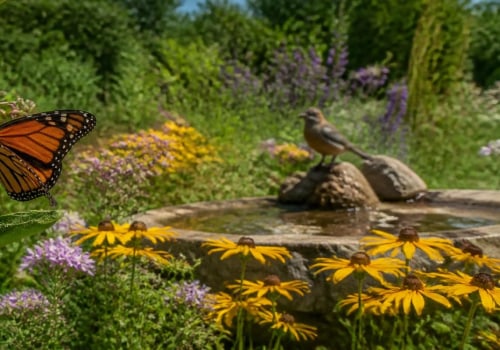
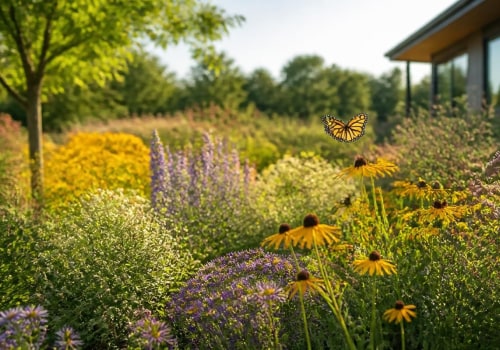
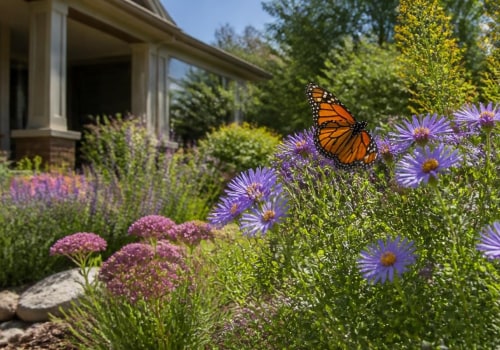
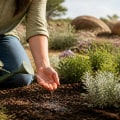
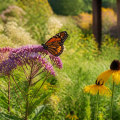
Native plant gardening is an increasingly popular approach to landscaping that emphasizes the use of plants indigenous to a specific region. This method not only enhances the beauty of your garden but also supports local ecosystems by providing habitats for native wildlife, such as birds, butterflies, and beneficial insects. By choosing plants that are well-adapted to your local climate and soil conditions, you can create a sustainable garden that requires less water and fewer chemical inputs compared to traditional gardening practices.The benefits of native plants extend beyond aesthetics. They play a crucial role in maintaining biodiversity and promoting soil health.
Native species are often more resilient to pests and diseases, reducing the need for chemical fertilizers and pesticides. This natural resilience makes them an ideal choice for gardeners looking to minimize their environmental impact while still enjoying a vibrant and thriving garden.However, understanding the role of fertilizers in native plant gardening is essential for achieving the best results. While many native plants thrive in low-nutrient soils, there are instances where the addition of fertilizers can be beneficial, particularly during the establishment phase. Knowing when and how to use fertilizers can help you strike a balance between supporting your plants' growth and maintaining the ecological integrity of your garden.
What Are Native Plants?
Native plants are species that have evolved in a specific region over thousands of years, adapting to the local climate, soil, and wildlife.These plants are integral to their ecosystems, providing food and habitat for various organisms, including insects, birds, and mammals. Understanding what constitutes a native plant is essential for anyone interested in native plant gardening.
Characteristics of native plants
include:- Adaptability: Native plants are well-suited to their local environment, requiring less water and maintenance compared to non-native species.
- Diversity: They contribute to biodiversity by supporting a wide range of wildlife.
- Resilience: Native plants are more resistant to pests and diseases, reducing the need for chemical interventions.
- Seasonal Interest: Many native species offer year-round beauty with varied blooms, foliage, and fruit.
- Echinacea purpurea (Purple Coneflower) - Known for its striking purple petals and ability to attract pollinators.
- Asclepias tuberosa (Butterfly Weed) - A favorite among butterflies, this plant features bright orange flowers.
- Rudbeckia hirta (Black-eyed Susan) - With its cheerful yellow blooms, this plant is a staple in many gardens.
- Panicum virgatum (Switchgrass) - A versatile grass that provides excellent erosion control and habitat for wildlife.
The Role of Fertilizers in Gardening
Fertilizers play a crucial role in gardening by providing essential nutrients that plants need for optimal growth. In the context of native plant gardening, understanding the function and types of fertilizers can help gardeners make informed decisions about their use.What Are Fertilizers?
Fertilizers are substances that supply nutrients to plants, enhancing their growth and productivity.They typically contain three primary macronutrients: nitrogen (N), phosphorus (P), and potassium (K), often referred to as N-P-K ratios. These nutrients support various plant functions, from root development to flowering.
Types of Fertilizers
- Synthetic Fertilizers: These are chemically manufactured and provide nutrients in a concentrated form. They act quickly but can lead to nutrient runoff and soil degradation if overused.
- Organic Fertilizers: Derived from natural sources such as compost, manure, or bone meal, organic fertilizers improve soil health over time. They release nutrients slowly, making them ideal for sustainable gardening practices.
- Slow-Release Fertilizers: These fertilizers gradually release nutrients over an extended period, reducing the risk of leaching and providing a steady supply of nutrients to plants.
How Do Fertilizers Work?
Fertilizers work by replenishing the soil with nutrients that may be depleted due to plant uptake or environmental factors.When applied, they dissolve in water and are absorbed by plant roots. This process enhances various physiological functions, including photosynthesis, energy transfer, and overall plant vigor.In a native plant garden, it is essential to consider the specific nutrient needs of native species. Many native plants are adapted to thrive in low-nutrient soils and may not require additional fertilization. Over-fertilizing can disrupt the natural balance of the ecosystem, leading to issues such as increased weed growth or harm to beneficial microorganisms in the soil.Ultimately, while fertilizers can support plant growth, their use should be approached with caution in native plant gardening.
Conducting a soil test can help determine if fertilizers are necessary and which type would be most beneficial for your garden's unique conditions.
Do Native Plants Need Fertilizers?
When it comes to native plant gardening, one of the most common questions is whether these plants actually need fertilizers. The answer is not straightforward, as it largely depends on the specific conditions of your garden and the native species you are cultivating.Native plants
are inherently adapted to their local environments, which means they have evolved to thrive in the soil and climate conditions of their native habitats. This adaptation often includes a natural ability to access nutrients without the need for additional fertilizers. In many cases, native plants can flourish in poor soils that would be challenging for non-native species.When Fertilizers May Be Necessary
However, there are certain circumstances where fertilizing native plants might be beneficial:- Newly Established Gardens: If you are starting a new native plant garden, the initial soil may lack essential nutrients.
A light application of organic fertilizer can help establish young plants.
- Soil Testing: Conducting a soil test can provide insights into nutrient deficiencies. If your soil is found to be lacking in key nutrients, targeted fertilization may be warranted.
- Specific Plant Needs: Some native species may have higher nutrient requirements than others. Researching the specific needs of your chosen plants can guide your fertilization approach.
Best Practices for Fertilizing Native Plants
If you decide to fertilize, consider these best practices:- Use Organic Fertilizers: Opt for organic options that release nutrients slowly and improve soil health over time.
- Avoid Over-Fertilization: Too much fertilizer can harm native plants by promoting excessive growth and making them more susceptible to pests and diseases.
- Timing Matters: Apply fertilizers during the growing season when plants can utilize the nutrients effectively.
When to Use Fertilizers in a Native Plant Garden
Understanding when to fertilize native plants is crucial for maintaining a healthy and thriving native plant garden.Unlike traditional gardens that may require frequent fertilization, native plants are adapted to local soil conditions and often thrive with minimal intervention. However, there are specific times when fertilization can be beneficial.
Timing for Fertilization
The best time to apply fertilizers in a native plant garden is during the early spring, just as new growth begins. This timing aligns with the natural growth cycle of many native species, allowing them to utilize the nutrients effectively. Applying fertilizer too late in the season can promote excessive growth that may not withstand winter conditions.Seasonal Care for Native Gardens
- Spring: As mentioned, early spring is ideal for fertilization.
Use a slow-release organic fertilizer to provide a steady supply of nutrients throughout the growing season.
- Summer: During the summer months, monitor your plants for signs of nutrient deficiency, such as yellowing leaves or stunted growth. If necessary, a light application of fertilizer can be made, but avoid over-fertilizing as this can harm the plants.
- Fall: Fertilization in the fall is generally not recommended for most native plants. Instead, focus on preparing your garden for winter by adding organic matter like compost to improve soil health.
Types of Fertilizers Suitable for Native Plants
When it comes to native plant gardening, understanding the types of fertilizers that are suitable for your plants is crucial for their health and growth.Here, we will explore the best fertilizers for native plants, comparing organic and synthetic options, as well as discussing the benefits of slow-release fertilizers.
Best Fertilizers for Native Plants
Native plants are adapted to their local environments and often thrive in nutrient-poor soils. Therefore, the use of fertilizers should be approached with caution. Some of the best fertilizers for native plants include:- Compost: Rich in organic matter, compost improves soil structure and provides a slow release of nutrients.
- Bone Meal: A great source of phosphorus, bone meal supports root development and flowering.
- Fish Emulsion: This organic fertilizer is high in nitrogen and promotes healthy foliage growth.
Organic vs Synthetic Fertilizers
The debate between organic and synthetic fertilizers is ongoing among gardeners. Organic fertilizers are derived from natural sources and improve soil health over time, making them a preferred choice for many native plant enthusiasts.They release nutrients slowly, reducing the risk of nutrient runoff and promoting a balanced ecosystem.Synthetic fertilizers, on the other hand, provide immediate nutrient availability but can lead to soil degradation if used excessively. For native plant gardens, it’s generally advisable to lean towards organic options to maintain the ecological balance.
Slow-Release Fertilizers
Slow-release fertilizers are particularly beneficial for native plants as they provide a steady supply of nutrients over an extended period. This minimizes the risk of over-fertilization and helps prevent nutrient leaching into waterways. When selecting a slow-release fertilizer, look for products that are specifically formulated for native plants or those that contain a balanced ratio of nitrogen, phosphorus, and potassium.In conclusion, while native plants often require less fertilization than non-native species, choosing the right type of fertilizer can enhance their growth and resilience.By opting for organic or slow-release options, you can support your native garden's health while promoting sustainability in your gardening practices.
Potential Risks of Using Fertilizers in Native Plant Gardens
While fertilizers can enhance plant growth in traditional gardens, their use in native plant gardening poses several potential risks that gardeners should carefully consider.Negative Effects on Native Plants
- Altered Growth Patterns: Native plants have evolved to thrive in specific soil conditions. Introducing fertilizers can disrupt these natural growth patterns, leading to overly lush foliage at the expense of flowers and seeds.
- Increased Susceptibility to Pests: Fertilizers can make native plants more attractive to pests, as the rapid growth may lead to softer tissues that are easier for insects to consume.
- Dependency on Artificial Inputs: Over time, native plants may become reliant on fertilizers, diminishing their resilience and ability to thrive in their natural environment.
Environmental Impact
- Nutrient Runoff: Excess fertilizers can wash away during rainstorms, leading to nutrient runoff that contaminates local waterways. This can cause algal blooms, which deplete oxygen levels and harm aquatic life.
- Soil Health Degradation: Continuous use of chemical fertilizers can degrade soil health by disrupting the natural microbial communities essential for nutrient cycling and soil structure.
- Impact on Local Ecosystems: The introduction of non-native nutrients can alter the balance of local ecosystems, favoring invasive species that outcompete native flora.
Best Practices for Fertilizing Native Plant Gardens
When it comes to fertilizing native plant gardens, adopting sustainable practices is essential to maintain the health of your plants and the surrounding ecosystem.Here are some best practices to consider:
- Assess Soil Health: Before applying any fertilizers, conduct a soil test to determine nutrient levels and pH. This will help you understand what your garden truly needs.
- Use Organic Fertilizers: Opt for organic options such as compost, well-rotted manure, or natural fertilizers like fish emulsion. These not only provide nutrients but also improve soil structure and microbial activity.
- Apply Sparingly: Native plants are adapted to thrive in low-nutrient environments. Over-fertilizing can lead to excessive growth and make plants more susceptible to pests and diseases.
A light application is often sufficient.
- Timing is Key: Fertilize during the growing season, ideally in early spring or after flowering, to support healthy growth without disrupting the natural cycles of the plants.
- Mulching: Instead of relying solely on fertilizers, consider using organic mulch. It helps retain moisture, suppress weeds, and gradually adds nutrients back into the soil as it decomposes.
- Observe Plant Responses: Monitor how your plants respond to fertilization. If they show signs of stress or poor growth, reassess your fertilization strategy.
- Avoid Chemical Fertilizers: Steer clear of synthetic fertilizers that can leach into waterways and harm local wildlife. Stick with natural amendments that align with sustainable gardening principles.
- Consider Companion Planting: Some native plants can benefit from being planted alongside others that enhance nutrient availability or deter pests naturally.
Frequently Asked Questions About Fertilizers and Native Plants
When it comes to native plant gardening, many gardeners have questions about the role of fertilizers.Here are some common inquiries and their answers:
- Do native plants need fertilizers? Generally, native plants are adapted to thrive in their local environments, often requiring less fertilization than non-native species. They have evolved to utilize the nutrients available in their native soils, which means that excessive fertilization can actually harm them.
- Can I use fertilizers if my native plants are not thriving? If your native plants appear unhealthy, it’s essential to first assess the soil quality and environmental conditions. Sometimes, issues like poor drainage or inadequate sunlight can be the culprits. If you determine that nutrient deficiency is the issue, consider using organic fertilizers or compost in moderation.
- What types of fertilizers are best for native plants? If you choose to fertilize, opt for organic options such as compost or well-rotted manure.
These not only provide nutrients but also improve soil structure and promote beneficial microbial activity.
- How often should I fertilize my native plant garden? In most cases, fertilization should be minimal. If you do decide to apply fertilizer, once in the spring during the growing season is usually sufficient. Always follow the recommended application rates to avoid over-fertilization.
- Are there any signs that I should avoid using fertilizers? If your native plants are showing signs of stress such as yellowing leaves or stunted growth, it’s crucial to evaluate other factors before adding fertilizers. Over-fertilization can lead to nutrient imbalances and harm beneficial soil organisms.
Conclusion: Balancing Fertilization with Native Plant Care
In conclusion, native plant gardening offers a unique opportunity to create a sustainable and ecologically balanced landscape.However, the question of whether to use fertilizers in such gardens requires careful consideration. Throughout this article, we have explored the intricate relationship between native plants and their natural environments, emphasizing the importance of understanding their specific needs. While some native plants may benefit from a light application of organic fertilizers, it is crucial to recognize that many are adapted to thrive in nutrient-poor soils. Over-fertilization can lead to detrimental effects, such as excessive growth, reduced flowering, and increased susceptibility to pests and diseases. Therefore, it is essential to:
- Assess soil health: Conduct soil tests to determine nutrient levels before applying any fertilizers.
- Choose organic options: If fertilization is necessary, opt for organic fertilizers that release nutrients slowly and improve soil structure.
- Monitor plant health: Observe your plants for signs of nutrient deficiency or excess and adjust your care accordingly.
By prioritizing the natural adaptations of native species and understanding their ecological roles, gardeners can create vibrant landscapes that support local wildlife and conserve resources. Embracing a thoughtful approach to fertilization not only enhances the beauty of your garden but also contributes to the overall health of the environment.