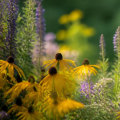
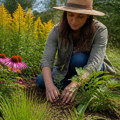
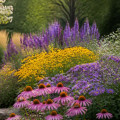
Native plant gardening is a practice that focuses on cultivating plants that are indigenous to a specific region. This approach not only enhances the beauty of landscapes but also plays a crucial role in supporting local ecosystems. By choosing plants that have evolved in harmony with the local climate, soil, and wildlife, gardeners can create vibrant spaces that thrive with minimal intervention. The core principle of native plant gardening lies in its commitment to sustainability and biodiversity. At its essence, native plant gardening promotes the use of flora that has adapted to the local environment, which means these plants are often more resilient to pests and diseases.
This resilience reduces the need for chemical fertilizers and pesticides, making gardens healthier for both the environment and the gardener. Furthermore, native plants provide essential habitats and food sources for local wildlife, including birds, butterflies, and beneficial insects, thereby fostering a balanced ecosystem. In addition to ecological benefits, native plant gardening encourages a deeper connection with nature. Gardeners become more attuned to their local environment as they learn about the specific plants that thrive in their area. This knowledge not only enriches the gardening experience but also empowers individuals to contribute positively to their community's ecological health.
As awareness of environmental issues grows, more people are turning to native plant gardening as a meaningful way to make a difference.
The Importance of Native Plants
Native plant gardening is not just a trend; it plays a crucial role in maintaining ecological balance. One of the primary benefits of native plants is their ability to support local wildlife. Native plants provide essential habitats and food sources for various species, including birds, butterflies, and beneficial insects. By incorporating these plants into your garden, you create a thriving ecosystem that fosters biodiversity.Moreover, native plants are well-adapted to the local climate and soil conditions, which means they require less water and fewer chemical inputs compared to non-native species.This characteristic makes them an excellent choice for conserving water. In regions prone to drought, native plants can survive with minimal irrigation, helping to reduce overall water consumption in landscaping.Another significant advantage of native plant gardening is its positive impact on soil health. Native plants often have deep root systems that improve soil structure and promote nutrient cycling. These roots help prevent erosion and enhance the soil's ability to retain moisture, which is vital for sustaining other plants in the garden.In addition to these ecological benefits, choosing native plants can also lead to lower maintenance costs.
Since they are adapted to the local environment, native plants typically require less care than exotic species, allowing gardeners to enjoy a beautiful landscape without the constant upkeep.In summary, the importance of native plants extends beyond aesthetics; they are integral to supporting local ecosystems, conserving resources, and promoting sustainable gardening practices. By embracing native plant gardening, you contribute to a healthier environment while enjoying the beauty and diversity that these plants bring to your outdoor space.
How to Start a Native Plant Garden
Starting a native plant garden can be a rewarding endeavor that supports local ecosystems and enhances the beauty of your landscape. Here’s a step-by-step guide to help you create your own native plant garden.- Site Selection: Choose a location that receives adequate sunlight and is suitable for the types of native plants you wish to grow. Observe the area throughout the day to determine sun and shade patterns.
- Soil Preparation: Assess your soil type and quality.
Native plants often thrive in well-drained soils. You may need to amend your soil with organic matter, such as compost, to improve its structure and fertility.
- Choosing the Right Plants: Research native plants that are well-suited to your region's climate and soil conditions. Consider factors such as height, bloom time, and color to create a visually appealing garden. Local extension services or native plant societies can provide valuable resources.
- Designing Your Garden: Plan your garden layout by grouping plants with similar water and light needs together.
Use layers—taller plants in the back and shorter ones in the front—to create depth and interest.
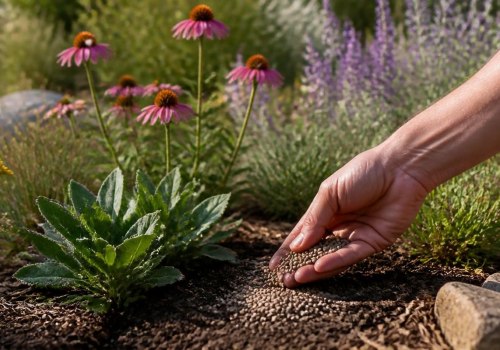
- Planting: Follow the recommended planting guidelines for each species, including spacing and depth. Water the plants thoroughly after planting to help them establish roots.
- Maintenance: Once established, native plants typically require less maintenance than non-native species. However, regular weeding, mulching, and occasional watering during dry spells will help your garden thrive.
Choosing the Right Native Plants for Your Area
When it comes to native plant gardening, selecting the right plants for your specific region is crucial for creating a thriving ecosystem.Native plants are those that naturally occur in your area and are adapted to the local climate, soil, and wildlife. Here are some key considerations to help you choose the best native plants for your garden.
Understand Your Regional Climate
Different regions have varying climates that affect plant growth. For instance, if you live in a humid subtropical region, you might consider plants like Eastern Redbud or Black-eyed Susan. Conversely, in a desert climate, options like Desert Marigold or Agave would be more suitable.Researching your local climate zone can provide valuable insights into which plants will thrive.
Assess Soil Conditions
The type of soil in your garden plays a significant role in plant selection. Native plants often have specific soil preferences, such as sandy, clay, or loamy soils. Conducting a soil test can help you understand its pH and nutrient levels, guiding you toward plants that will flourish in those conditions.Utilize Local Resources
Many organizations and resources can assist you in finding the best native plants for your area:- Native Plant Societies: These groups often provide lists of native plants specific to your region.
- Local Extension Services: Many universities offer resources and advice on native gardening.
- Online Databases: Websites like the USDA PLANTS Database can help you identify native species based on your location.
Designing Your Native Plant Garden
Designing your native plant garden involves thoughtful planning to create a space that is not only beautiful but also functional and beneficial to local wildlife.Here are some key principles and ideas to consider when laying out your garden.
Understanding Your Space
Before you start planting, assess your garden's conditions. Take note of factors such as sunlight, soil type, and moisture levels. This will help you choose the right native plants that thrive in your specific environment.Creating a Cohesive Layout
A well-designed native plant garden should have a cohesive layout that enhances its aesthetic appeal. Consider the following design ideas:- Layering: Use a tiered approach by planting taller species at the back and shorter ones in the front.
This not only creates visual interest but also ensures that all plants receive adequate sunlight.
- Grouping: Plant in clusters rather than single specimens. Grouping plants of the same species can create a more natural look and provide better habitat for pollinators.
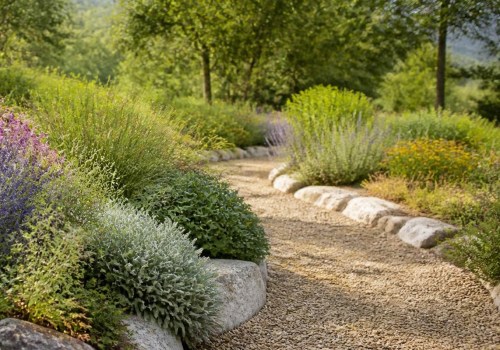
- Pathways: Incorporate pathways to allow easy access for maintenance and enjoyment of the garden. Use natural materials like gravel or mulch to blend with the native landscape.
Companion Planting
Companion planting is an effective strategy in native plant gardening. Certain native plants can benefit each other when planted together.For example, pairing flowering plants with grasses can attract pollinators while providing shelter for beneficial insects. Additionally, consider incorporating plants that bloom at different times to ensure continuous color and support for wildlife throughout the growing season.By thoughtfully designing your native plant garden with these principles in mind, you can create a vibrant ecosystem that supports local wildlife while enhancing the beauty of your outdoor space.
Maintenance Tips for Native Plant Gardens
Maintaining a native plant garden is essential for ensuring that your plants thrive and contribute positively to the local ecosystem. Here are some practical tips for effective native plant garden maintenance.Watering
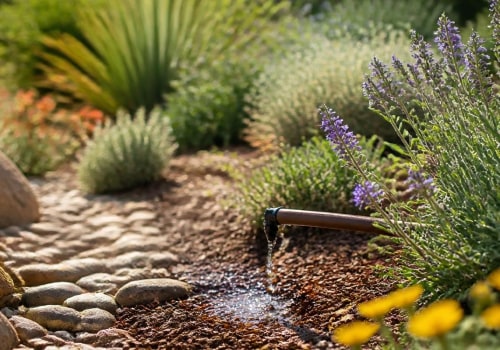
While many native plants are adapted to local climate conditions and require less water than non-native species, they still need adequate moisture, especially during their establishment phase. Here are some watering tips:- Deep Watering: Water deeply but infrequently to encourage deep root growth.
Aim for about 1 inch of water per week, adjusting based on rainfall.
- Soil Check: Before watering, check the soil moisture by digging a small hole. If the top inch is dry, it’s time to water.
- Mulching: Apply a layer of organic mulch around your plants to retain moisture and suppress weeds.
Pruning
Regular pruning helps maintain the health and appearance of your native plants. Here’s how to approach it:- Timing: Prune during the dormant season, typically late winter or early spring, before new growth begins.
- Deadheading: Remove spent flowers to encourage more blooms and prevent self-seeding if you want to control plant spread.
- Shaping: Trim back overgrown branches to promote a bushier growth habit and improve air circulation.
Pest Management
Pest issues can arise in any garden, but native plants often have natural defenses against local pests. Here are some strategies for managing pests:- Observation: Regularly inspect your plants for signs of pests or disease.
Early detection is key to effective management.
- Natural Predators: Encourage beneficial insects like ladybugs and lacewings that prey on harmful pests.
- Avoid Chemicals: Limit the use of pesticides, as they can harm beneficial insects and disrupt the ecosystem balance.
Common Challenges in Native Plant Gardening
While native plant gardening offers numerous benefits, it is not without its challenges. Understanding these common issues can help gardeners create thriving native landscapes.1.Soil Quality
Many native plants have specific soil requirements. Poor soil quality can hinder their growth.To address this, conduct a soil test to determine pH and nutrient levels. Amend the soil with organic matter, such as compost, to improve its structure and fertility.
2.Invasive Species
Invasive plants can outcompete native species for resources. Regularly monitor your garden for invasive species and remove them promptly. Consider using mulch to suppress their growth and reduce competition.3.Watering Issues
Native plants are often adapted to local rainfall patterns, but during dry spells, they may require supplemental watering.Establish a watering schedule that mimics natural rainfall, ensuring that plants receive adequate moisture without becoming waterlogged.
4.Pest Management
While native plants are generally more resistant to pests, they can still be affected by local insect populations. Implement integrated pest management (IPM) strategies, such as introducing beneficial insects or using organic pesticides when necessary.5.Seasonal Changes
Native gardens can look different throughout the seasons, which may be surprising for new gardeners. Embrace this natural cycle by selecting a variety of plants that bloom at different times, ensuring year-round interest and beauty in your garden.By being aware of these common challenges in native plant gardening, you can take proactive steps to troubleshoot and maintain a healthy, vibrant garden that supports local ecosystems.Native Plant Gardening and Wildlife Conservation
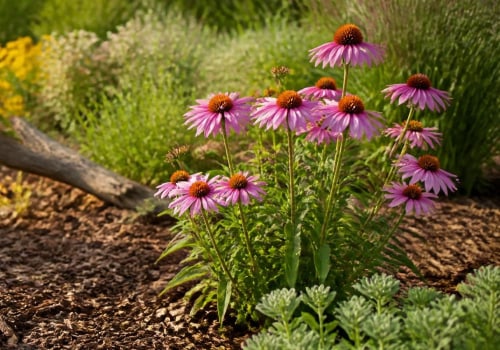
Native plant gardening plays a crucial role in supporting local wildlife populations and enhancing biodiversity. By incorporating native plants into your garden, you create a habitat that is not only visually appealing but also beneficial for various species of wildlife.One of the primary advantages of using native plants is their ability to attract wildlife.Many native species have co-evolved with local fauna, making them more appealing to birds, butterflies, and other pollinators. For instance, plants like milkweed are essential for monarch butterflies, providing both food and a place for them to lay their eggs. Similarly, native flowering plants such as coneflowers and black-eyed Susans offer nectar that attracts bees and hummingbirds.
Benefits for Pollinators
The decline of pollinator populations has become a significant concern in recent years. By choosing to garden with native plants, you can contribute to the conservation of these vital species.Native plants are adapted to local climates and soil conditions, requiring less water and fewer chemical inputs than non-native varieties. This not only makes them easier to maintain but also creates a healthier environment for pollinators.
- Reduced pesticide use: Native plant gardens often require fewer pesticides, which can be harmful to pollinators.
- Diverse habitats: A variety of native plants can provide different types of food and shelter throughout the seasons.
- Support for local ecosystems: Native plants help maintain the balance of local ecosystems by providing food sources for herbivores, which in turn support predators.
By fostering a thriving ecosystem in your own backyard, you can play an active role in protecting local biodiversity while enjoying the beauty and benefits that native plants bring.
Conclusion: Embracing Native Plant Gardening for a Sustainable Future
In conclusion, native plant gardening represents not just a trend, but a vital movement towards ecological sustainability. By choosing to cultivate plants that are indigenous to your region, you are actively participating in the preservation of local ecosystems and promoting biodiversity. Throughout this article, we have explored the numerous benefits of native plant gardening, including its low maintenance requirements, ability to attract local wildlife, and its role in conserving water.Moreover, native plants are well-adapted to the local climate and soil conditions, which means they require fewer resources such as fertilizers and pesticides. This not only reduces your environmental footprint but also contributes to healthier soil and water systems.As you consider starting your own garden, remember that even small efforts can lead to significant impacts.
- Start Small: You don’t need a large space to begin. Even a small balcony or backyard can be transformed into a native plant haven.
- Research Local Species: Understanding which plants are native to your area will help you select the best options for your garden.
- Engage with Your Community: Join local gardening clubs or online forums to share experiences and gain insights from fellow native plant enthusiasts.