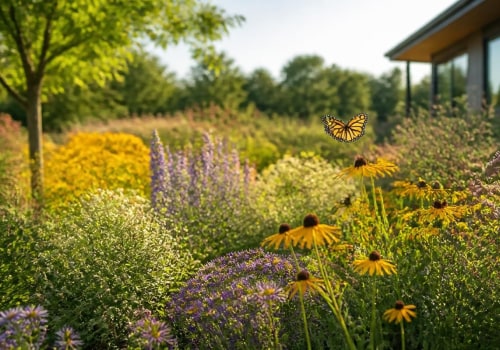
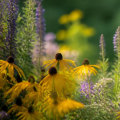
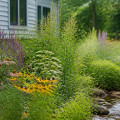
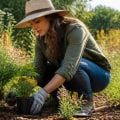
Native plants are species that have evolved in a specific region over thousands of years, adapting to the local climate, soil, and wildlife. These plants are not only integral to their ecosystems but also offer a myriad of benefits for gardeners looking to create sustainable landscapes. By incorporating native plant gardening into your outdoor space, you can foster a thriving environment that supports local biodiversity while minimizing maintenance efforts. One of the most significant advantages of using native plants is their ability to support local wildlife. They provide essential habitats and food sources for various species, including birds, butterflies, and beneficial insects.
This natural support system enhances the ecological balance in your garden, making it a vibrant and dynamic space. Additionally, native plants are typically well-suited to their environment, requiring less water and fewer chemical inputs compared to non-native species. This resilience translates into lower maintenance needs, allowing you to enjoy your garden without the constant demands of traditional landscaping. Moreover, native plants contribute to soil health and erosion control. Their deep root systems help stabilize the soil, reducing runoff and promoting water retention.
This is particularly beneficial in shaded areas where moisture levels can fluctuate. By choosing native species that thrive in low-light conditions, you can create a lush garden that not only looks beautiful but also plays a vital role in preserving the local ecosystem.
Assessing Shade Conditions in Your Garden
Understanding the shade conditions in your garden is crucial for successful native plant gardening. Different types of shade can significantly influence which plants will thrive in your space. To effectively assess the shade in your garden, consider the following factors:- Full Shade: Areas that receive less than 2 hours of direct sunlight per day fall into this category.
These spots are often found under dense tree canopies or on the north side of buildings. Suitable native plants for full shade include ferns and certain types of wildflowers.
- Partial Shade: This type of shade receives 2 to 6 hours of sunlight daily, typically during the morning or late afternoon. Plants that prefer partial shade can tolerate some sun exposure but thrive best with filtered light. Consider using native shrubs and perennials that are adapted to these conditions.
- Dappled Shade: This occurs when sunlight filters through leaves, creating a patchy light effect.
It’s often found in woodlands where trees are spaced apart. Many native plants flourish in dappled shade, as they benefit from both light and protection from harsh sun.
Factors such as soil moisture, wind exposure, and surrounding structures can affect how plants respond to shade. By understanding these elements, you can create a thriving environment for your chosen native species.
Choosing the Right Native Plants for Shaded Areas
When it comes to native plant gardening in shaded areas, selecting the right plants is crucial for creating a thriving ecosystem. Here are some of the best native plants for shade that not only tolerate low light but also enhance the beauty of your garden.- Wild Ginger (Asarum canadense) : This low-growing perennial features heart-shaped leaves and produces unique, cup-shaped flowers. It thrives in rich, moist soil and can spread to form a lovely ground cover.
- Virginia Bluebell (Mertensia virginica) : Known for its stunning blue flowers that bloom in early spring, this plant prefers moist, shaded areas.
It attracts pollinators and can naturalize beautifully in woodland gardens.
- Foamflower (
) : With its delicate white flowers and attractive foliage, foamflower is an excellent choice for shady spots. It grows well in well-drained soil and can tolerate dry conditions once established. - Eastern Red Columbine (Aquilegia canadensis) : This native wildflower features striking red and yellow blooms that attract hummingbirds. It prefers partial shade and well-drained soil, making it a versatile addition to your garden.
- Jack-in-the-Pulpit (Arisaema triphyllum) : A unique plant with a distinctive flower structure, Jack-in-the-Pulpit thrives in moist, shaded areas. It can grow quite tall and adds an interesting architectural element to your garden.
Most prefer rich, organic soil and consistent moisture, especially during their establishment phase. Additionally, layering different heights and textures can create a visually appealing landscape while supporting local wildlife. By incorporating these native plants into your shaded garden areas, you not only enhance the aesthetic appeal but also contribute to the local ecosystem by providing habitat and food for various species.
Designing a Shaded Native Plant Garden
Designing a shaded native plant garden requires careful consideration of both aesthetics and functionality. By utilizing native plants that thrive in low-light conditions, you can create a vibrant and sustainable landscape that supports local wildlife.Understanding Your Shade Conditions
- Full shade: Areas that receive less than 2 hours of direct sunlight daily.
- Partial shade: Areas that receive 2 to 6 hours of sunlight, often filtered through trees.
- Dappled shade: Light that filters through leaves, creating a mosaic of sun and shade.
Layout Tips for Your Native Plant Garden
- Create layers: Use taller plants at the back or center of your garden bed, with shorter plants in front.
This not only adds depth but also ensures that all plants receive adequate light.
- Group plants: Planting in clusters rather than single specimens can create a more natural look and improve pollinator access.
- Add pathways: Incorporate stepping stones or mulch paths to allow easy access for maintenance while enhancing the visual appeal.
Companion Planting Strategies
Companion planting can enhance the health and growth of your native plants. For example, pairing bluebells with ferns not only creates a beautiful contrast but also helps retain moisture in the soil. Additionally, consider incorporating ground covers like wild ginger, which can suppress weeds while providing a lush carpet under taller plants.A well-designed shaded native plant garden not only beautifies your space but also contributes to local biodiversity. By following these design principles, you can create a thriving ecosystem right in your backyard.
Caring for Your Native Plant Garden in the Shade
Caring for your native plant garden in shaded areas requires a tailored approach to ensure that these plants thrive despite the limited sunlight.Here are some essential tips for maintaining your shaded native plant garden:
Watering Schedule
Native plants are often adapted to local climate conditions, but they still require consistent moisture, especially in shaded areas where soil can retain water longer. Here are some guidelines:- Monitor Soil Moisture: Check the soil regularly by sticking your finger about an inch deep. If it feels dry, it’s time to water.
- Water Deeply: When you do water, ensure that you soak the soil thoroughly to encourage deep root growth.
- Adjust for Rainfall: During rainy periods, reduce your watering frequency to prevent waterlogging.
Soil Health
Healthy soil is crucial for the success of your native plants. Here are some maintenance tips:- Add Organic Matter: Incorporate compost or well-rotted leaf litter into the soil to improve its structure and nutrient content.
- Avoid Compaction: Minimize foot traffic in your garden to prevent soil compaction, which can hinder root growth.
- Mulch: Apply a layer of organic mulch around your plants to retain moisture, suppress weeds, and regulate soil temperature.
Pest Management
While native plants are generally more resistant to pests, occasional issues may arise.Here’s how to manage them effectively:
- Encourage Beneficial Insects: Attract natural predators like ladybugs and lacewings by planting a variety of native flowers.
- Regular Inspections: Check your plants regularly for signs of pests or disease. Early detection is key to effective management.
- Avoid Chemicals: Use organic pest control methods whenever possible to protect the ecosystem of your garden.
Common Challenges in Shaded Native Plant Gardening
Gardening with native plants in shaded areas can present unique challenges that require careful consideration and planning. Understanding these challenges is essential for creating a thriving garden that showcases the beauty of native flora.Challenges of Gardening in Shade
One of the primary challenges in shaded native plant gardening is the limited availability of sunlight. Many native plants thrive in full sun, and those that prefer shade may not be as abundant.This can lead to a limited selection of plants, making it crucial to choose species that are well-adapted to low-light conditions.
Pests in Shaded Gardens
Shaded areas can also attract specific pests that thrive in cooler, damp environments.Slugs
and snails, for instance, are common nuisances in shaded gardens, as they prefer moist conditions. To combat these pests, consider implementing natural deterrents such as:- Handpicking: Regularly inspect your plants and remove any visible slugs or snails.
- Barriers: Use copper tape or diatomaceous earth around the base of plants to deter these pests.
- Companion planting: Incorporate plants that repel slugs, such as garlic or mint, to help protect your native species.
Soil Issues in Shade
The soil in shaded areas can also pose challenges. Often, shaded spots have compacted soil, which can hinder root growth and water drainage.To improve soil conditions:
- Aerate the soil: Use a garden fork to loosen compacted soil, allowing for better air and water penetration.
- Add organic matter: Incorporate compost or well-rotted leaf litter to enhance soil structure and fertility.
- Select appropriate native plants: Choose species known for their adaptability to shaded soils, such as ferns or woodland wildflowers.
Frequently Asked Questions about Native Plant Gardening in Shade
When it comes to native plant gardening in shaded areas, many gardeners have questions about the best practices and suitable plant choices. Here are some frequently asked questions that can help guide your gardening journey.- Can native plants thrive in full shade?
Yes, many native plants are well-adapted to thrive in shaded environments. Species such as ferns, trilliums, and wild ginger are excellent choices for areas with little to no direct sunlight. - What are the benefits of using native plants in shaded areas?
Native plants often require less maintenance, are more resistant to local pests and diseases, and provide essential habitat for local wildlife.Additionally, they can help improve soil health and reduce erosion.
- How do I choose the right native plants for my shaded garden?
Consider the specific conditions of your shaded area, such as soil type, moisture levels, and the amount of light it receives throughout the day. Research local native species that are known to perform well in similar conditions. - Are there any tips for maintaining a native plant garden in shade?
Regularly check for weeds that may compete with your native plants. Mulching can help retain moisture and suppress weeds. Additionally, ensure that your plants receive adequate water, especially during dry spells.
Conclusion: Embracing Native Plants in Your Shaded Garden
In conclusion, incorporating native plants into your shaded garden can transform an often overlooked area into a vibrant and thriving ecosystem.Throughout this article, we have explored the numerous benefits of native plant gardening, particularly in shaded environments. One of the most significant advantages is the ability of native plants to adapt to local conditions, requiring less maintenance and fewer resources than non-native species. This not only saves you time and effort but also promotes a healthier garden that supports local wildlife. When selecting plants for shaded areas, consider species that are naturally found in your region's woodlands or underbrush. These plants are well-suited to thrive in low-light conditions and can provide essential habitat for pollinators and other beneficial organisms.
- Improved Biodiversity: Native plants attract a variety of pollinators, birds, and beneficial insects, enhancing the biodiversity of your garden.
- Soil Health: Many native species have deep root systems that improve soil structure and health, promoting better water retention and nutrient cycling.
- Aesthetic Appeal: With their unique colors and textures, native plants can create a stunning visual display even in shaded areas.
So take the plunge—explore the native flora available in your area and start cultivating a beautiful, low-maintenance garden that flourishes in the shade.