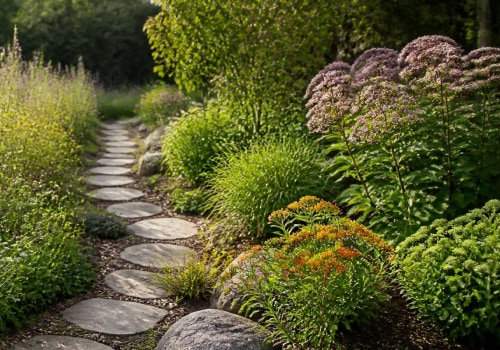
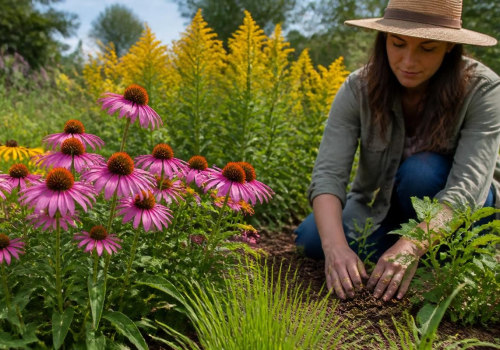
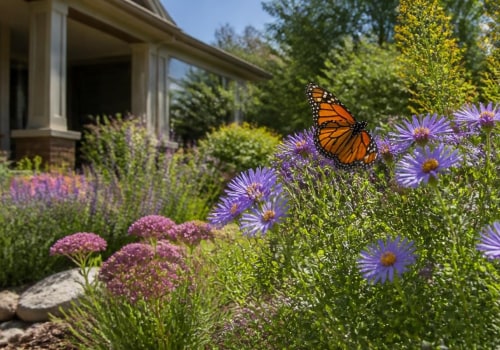
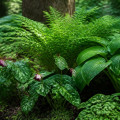
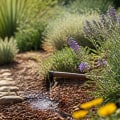
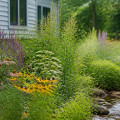
Native plant gardening is an increasingly popular practice that emphasizes the cultivation of plants indigenous to a specific region. This approach not only enhances the aesthetic appeal of gardens but also plays a crucial role in promoting biodiversity and supporting local ecosystems. By choosing native plants, gardeners can create habitats that attract a variety of wildlife, including pollinators like bees and butterflies, which are essential for the health of our environment. One of the key aspects of successful native plant gardening lies in understanding the specific soil and watering requirements of these plants. Unlike traditional gardening, which often relies on high-maintenance practices and non-native species, native plants are adapted to thrive in their local conditions.
This means they typically require less water and fewer fertilizers, making them a sustainable choice for environmentally conscious gardeners. As you embark on your native plant gardening journey, it’s important to consider the unique characteristics of your soil and the natural rainfall patterns in your area. By doing so, you can select plants that will flourish with minimal intervention, allowing you to enjoy a vibrant garden while contributing positively to your local ecosystem. In the following sections, we will delve deeper into the specific soil types and watering techniques that can help you cultivate a thriving native garden.
The Importance of Soil Quality for Native Plants
When it comes to native plant gardening, understanding the importance of soil quality is crucial for fostering a thriving ecosystem. Native plants are adapted to local conditions, but they still require specific soil types and health to flourish.Soil Types for Native Gardening
- Sandy Soil: This type drains quickly and is often low in nutrients.
While it can support drought-tolerant native plants, amendments may be necessary to improve fertility.
- Clay Soil: Clay retains moisture and is rich in nutrients, making it suitable for many native species. However, it can become compacted, so incorporating organic matter is essential.
- Silty Soil: Silty soil is fertile and retains moisture well, providing an excellent environment for a variety of native plants. It’s important to ensure proper drainage to prevent root rot.
- Loamy Soil: Often considered the ideal soil type, loamy soil balances sand, silt, and clay, offering good drainage and nutrient retention. Most native plants thrive in this type of soil.
This will help you understand the pH level and nutrient content. A pH between 6.0 and 7.5 is generally ideal for most native species.
Improving Soil Health
Enhancing soil health is vital for supporting native plant growth. Here are some effective methods:- Add Organic Matter: Incorporate compost or well-rotted manure to improve soil structure and nutrient content.
- Aerate the Soil: Use a garden fork or aerator to relieve compaction, allowing roots to penetrate more easily.
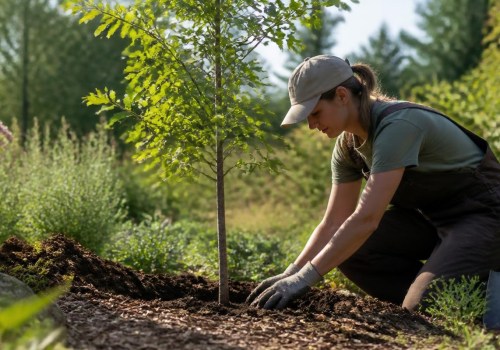
- Mulching: Apply a layer of organic mulch to retain moisture, suppress weeds, and gradually enrich the soil as it decomposes.
- Crop Rotation: If you’re growing annuals alongside perennials, rotating crops can help maintain soil fertility and reduce pest buildup.
Watering Requirements for Native Plants
When it comes to native plant gardening, understanding the watering requirements of your plants is crucial for their health and longevity. Native plants are often adapted to local climates and soil conditions, which means they typically require less water than non-native species once established.However, during the initial establishment phase, proper watering is essential.
Establishing a Watering Schedule
- During the first few weeks after planting, water your native plants deeply and regularly to help them develop strong root systems. Aim for about 1 inch of water per week, either from rainfall or supplemental irrigation.
- After the initial establishment period, gradually reduce the frequency of watering. Most native plants thrive on natural rainfall and may only need supplemental watering during prolonged dry spells.
- Monitor your plants for signs of stress, such as wilting or yellowing leaves, which can indicate that they need more water.
Drought-Resistant Plants
One of the key benefits of native gardening is the incorporation of drought-resistant plants. These species have evolved to survive in local conditions with minimal water.
Examples include:
- California Poppy: This vibrant flower thrives in dry conditions and requires little maintenance.
- Black-eyed Susan: Known for its resilience, this plant can withstand periods of drought once established.
- Blue Grama Grass: A native grass that not only conserves water but also provides habitat for local wildlife.
Choosing the Right Native Plants for Your Soil and Climate
When embarking on native plant gardening, understanding your local soil and climate is crucial for selecting the right plants. Native plants are adapted to thrive in specific environmental conditions, making it essential to match them with your garden's unique characteristics.Assessing Soil Types
Different native plants have varying soil preferences. Here are some common soil types and the native plants that flourish in them:- Sandy Soil: Well-draining and often low in nutrients, sandy soils are ideal for drought-tolerant native plants such as California poppy and blue grama grass.
- Clay Soil: Heavy and compact, clay soils retain moisture but can be challenging for some plants.
Consider native species like swamp milkweed or black-eyed Susan, which can tolerate these conditions.
- Silty Soil: Rich in nutrients and moisture-retentive, silty soils support a wide range of native plants, including wild bergamot and purple coneflower.
- Loamy Soil: A balanced mix of sand, silt, and clay, loamy soils are ideal for many native plants. Species such as goldenrod and aster thrive here.
Climate Considerations
Your local climate plays a significant role in determining which native plants will succeed in your garden. Consider the following factors:- Temperature: Choose plants that are suited to your region's temperature extremes. For example, if you live in a hot climate, opt for heat-tolerant natives like desert marigold.
- Precipitation: Understand your area's rainfall patterns.
In arid regions, select drought-resistant natives such as saguaro cactus, while wetter climates can support moisture-loving species like cardinal flower.
- Sunlight: Assess the sunlight exposure in your garden. Some natives prefer full sun, while others thrive in partial shade. For sunny spots, consider bee balm, whereas shaded areas may be better suited for wild ginger.
Common Mistakes in Native Plant Gardening
When embarking on native plant gardening, many enthusiasts inadvertently make mistakes that can significantly impact the health and growth of their plants.Understanding these common pitfalls is essential for creating a thriving native garden.1.Ignoring Soil Requirements One of the most frequent errors is overlooking the specific soil needs of native plants. Each species has adapted to particular soil types, whether sandy, clay, or loamy. Failing to match the soil composition can lead to poor drainage or nutrient deficiencies. Before planting, conduct a soil test to determine pH and nutrient levels, and amend the soil accordingly to create an optimal environment.2.Overwatering Another common mistake is overwatering native plants.
Many gardeners assume that all plants require frequent watering, but native species are often adapted to local rainfall patterns and can thrive with minimal irrigation once established. Overwatering can lead to root rot and other fungal diseases. A good rule of thumb is to water deeply but infrequently, allowing the soil to dry out between watering sessions.3.Planting at the Wrong Time Timing is crucial in native plant gardening. Planting during extreme weather conditions—whether too hot or too cold—can stress young plants and hinder their establishment.
The best time to plant most native species is during the early spring or fall when temperatures are milder and rainfall is more consistent.4.Neglecting Mulching Many gardeners underestimate the importance of mulching in maintaining soil moisture and temperature. A layer of organic mulch not only conserves moisture but also suppresses weeds that compete for nutrients and water. Ensure that mulch is applied correctly, avoiding direct contact with plant stems. By being aware of these common mistakes in native plant gardening, you can create a more successful and sustainable garden that flourishes with local flora. Avoiding these pitfalls will not only enhance the beauty of your landscape but also support local ecosystems.
FAQs About Soil and Watering for Native Plants
When it comes to native plant gardening, understanding the specific soil and watering requirements is crucial for the success of your garden.Here are some frequently asked questions that can help guide you:
What type of soil do native plants prefer?
Native plants are adapted to the local environment, which means their soil preferences can vary widely. However, most native plants thrive in:- Well-drained soil: Many native species prefer sandy or loamy soils that allow for good drainage.
- Soil pH: Most native plants do well in a neutral to slightly acidic pH (around 6.0 to 7.0), but some may have specific needs.
- Nutrient levels: Native plants often require less fertilizer than non-native species, as they are adapted to the nutrient levels of their local ecosystems.
How often should I water native plants?
The watering needs of native plants can depend on several factors, including the species, climate, and soil type. Here are some general guidelines:- Establishment period: Newly planted native species typically need more frequent watering (about once a week) until they establish strong root systems.
- Drought tolerance: Once established, many native plants are drought-tolerant and may only need watering during prolonged dry spells.
- Soil moisture: Always check the soil moisture before watering; if the top inch of soil is dry, it’s time to water.
Can I use mulch for native plants?
Yes! Using mulch can be beneficial for native plant gardens. It helps retain soil moisture, suppresses weeds, and regulates soil temperature.Organic mulches like wood chips or straw are excellent choices as they also improve soil quality as they decompose.By understanding these soil and watering requirements, you can create a thriving environment for your native plants, ensuring they flourish in your garden.
Conclusion: Key Takeaways for Successful Native Plant Gardening
In summary, understanding the soil and watering requirements of native plants is crucial for successful native plant gardening. By catering to the specific needs of these plants, gardeners can create a thriving ecosystem that supports local wildlife and enhances biodiversity.- Soil Composition: Native plants often thrive in well-draining soils that mimic their natural habitats. This means incorporating organic matter, such as compost, to improve soil structure and fertility.
- pH Levels: Many native plants prefer slightly acidic to neutral pH levels. Conducting a soil test can help determine if amendments are necessary to achieve optimal conditions.
- Watering Practices: Native plants are typically adapted to local rainfall patterns.
Therefore, it’s essential to water them appropriately, especially during their establishment phase. Deep watering encourages deep root growth, making plants more resilient to drought.
- Mulching: Applying a layer of mulch can help retain soil moisture, suppress weeds, and regulate soil temperature, all of which contribute to healthier native plants.