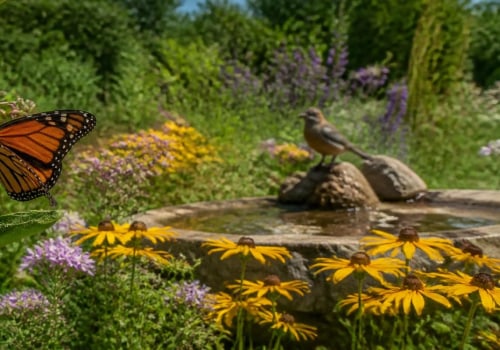
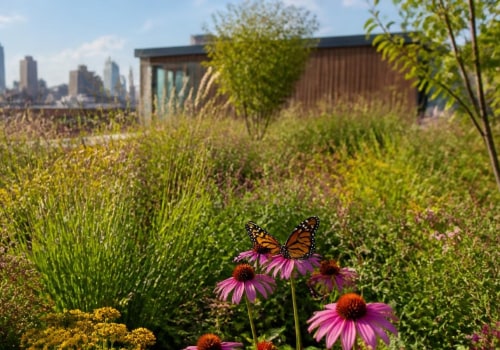
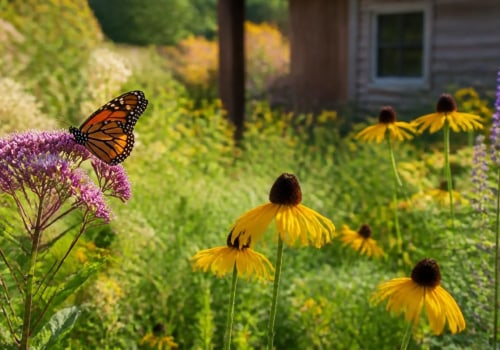
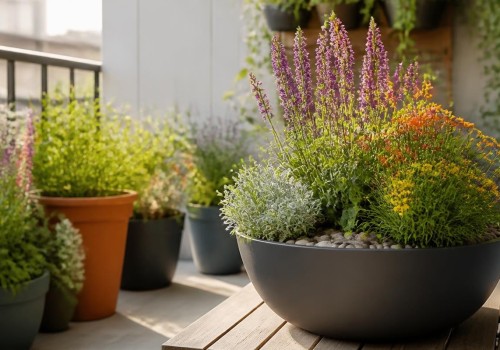
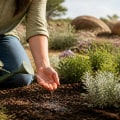
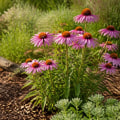
Native plants are species that have evolved in a specific region over thousands of years, adapting to the local climate, soil, and wildlife. These plants are not only integral to their ecosystems but also offer a myriad of benefits for gardeners and the environment alike. By choosing native plant gardening, you are opting for a sustainable approach that promotes biodiversity, conserves water, and reduces the need for chemical fertilizers and pesticides. One of the most compelling reasons to embrace native plants is their ability to support local wildlife. Many native species provide essential habitats and food sources for birds, butterflies, and other pollinators.
This symbiotic relationship enhances the ecological balance of your garden, making it a vibrant space teeming with life. Additionally, native plants are typically more resilient to local pests and diseases, which means they require less maintenance and are more likely to thrive in your garden. Moreover, native plants are well-suited to the local climate conditions, which can lead to significant water conservation. Unlike non-native species that may require extensive irrigation, native plants are adapted to survive on natural rainfall, making them an excellent choice for environmentally conscious gardeners. By understanding the importance of these plants and their role in promoting a healthy ecosystem, you can lay the groundwork for a successful native plant garden that not only beautifies your space but also contributes positively to the environment.
Mistake #1: Choosing the Wrong Native Plants
One of the most significant native plant gardening mistakes is selecting the wrong native plants for your specific environment.Not all native plants are suitable for every garden, and choosing the wrong ones can lead to poor growth, increased maintenance, and even failure of your garden.
Understanding Your Local Climate
- Before you start planting, research the climate in your area. Native plants are adapted to local conditions, including temperature ranges, rainfall patterns, and seasonal changes.
- For instance, a plant that thrives in a humid coastal region may struggle in a dry, arid environment.
Soil Compatibility
- Another common mistake is ignoring soil type. Different native plants have varying soil requirements, such as pH levels and drainage capabilities.
- Conduct a soil test to determine its composition and amend it as necessary to create an optimal growing environment for your chosen plants.
Researching Native Plant Options
- When selecting native plants, consider their growth habits and mature size. Some plants may spread aggressively or grow taller than expected, which can crowd out other species.
- Consult local extension services or native plant societies for recommendations on the best native plants for your specific region.
Creating Biodiversity
- Avoid the mistake of planting only one or two species.
A diverse selection of native plants can create a more resilient garden that supports various wildlife and reduces pest issues.
- Incorporate a mix of flowering plants, grasses, and shrubs to attract pollinators and other beneficial organisms.
Mistake #2: Ignoring Local Ecosystems
When embarking on native plant gardening, one of the most critical mistakes to avoid is ignoring the local ecosystems. Understanding the specific environmental conditions and biological communities in your area is essential for creating a thriving garden that supports local wildlife and plants.Local ecosystems
are complex networks of living organisms, including plants, animals, fungi, and microorganisms, all interacting with each other and their physical environment. Each ecosystem has unique characteristics influenced by factors such as climate, soil type, and water availability. Failing to consider these elements can lead to poor plant selection and ultimately a garden that struggles to survive.Why Ecosystem Considerations Matter
When you choose plants that are not suited to your local ecosystem, you risk:- Increased Maintenance: Non-native plants may require more water, fertilizers, or pest control, leading to higher maintenance costs and efforts.
- Disruption of Local Wildlife: Native plants provide essential habitat and food sources for local fauna.
Ignoring this can lead to a decline in local biodiversity.
- Pest Problems: Non-native species may attract pests that are not naturally controlled by local predators, resulting in infestations.
Embracing the natural balance of your area will lead to a flourishing native plant garden that benefits both you and the local ecosystem.
Mistake #3: Overlooking Soil Preparation
When embarking on native plant gardening, one of the most critical aspects to consider is soil preparation. Many gardeners underestimate the importance of having the right soil conditions, which can lead to poor plant growth and even failure of the garden. Here are some common mistakes to avoid:- Neglecting Soil Testing: Before planting, it’s essential to test your soil. This will help you understand its pH, nutrient levels, and texture.
Ignoring this step can result in planting native species that are ill-suited for your soil conditions.
- Using Poor Quality Soil Amendments: Not all soil amendments are created equal. Some gardeners make the mistake of using cheap or inappropriate materials that can harm native plants. Always opt for organic compost or well-rotted manure to enrich your soil.
- Over-Tilling the Soil: While it may seem beneficial to till the soil extensively, over-tilling can disrupt the natural soil structure and harm beneficial microorganisms. Instead, aim for minimal disturbance to maintain a healthy ecosystem.
- Ignoring Drainage Needs: Native plants often have specific drainage requirements.
Failing to assess drainage can lead to waterlogged roots or dry patches. Consider creating raised beds or amending your soil with sand or gravel if drainage is an issue.
Mistake #4: Neglecting Watering Needs
When embarking on native plant gardening, one of the most critical aspects to consider is the watering needs of your plants.Many novice gardeners fall into the trap of either overwatering or underwatering, both of which can be detrimental to the health of native species.
Understanding Native Plant Watering Requirements
- Adaptation to Local Climate: Native plants are typically adapted to the local climate and soil conditions, which means they often require less water than non-native species once established.
- Soil Type: The type of soil in your garden can significantly affect how much water your plants need. Sandy soils drain quickly and may require more frequent watering, while clay soils retain moisture longer.
- Growth Stage: Newly planted native species will need more water as they establish their root systems. However, once established, many native plants can thrive on rainfall alone.
Avoiding Common Irrigation Mistakes
- Ignoring Rainfall: One common mistake is failing to adjust watering schedules based on recent rainfall. Always check the weather and soil moisture before watering.
- Using a Fixed Schedule: Relying on a strict watering schedule can lead to overwatering.
Instead, monitor your plants and adjust based on their specific needs and environmental conditions.
- Watering at the Wrong Time: Watering during the hottest part of the day can lead to evaporation before the plants can absorb it. Early morning or late afternoon is ideal for watering.
Mistake #5: Failing to Plan for Maintenance
One of the most significant mistakes new gardeners make when embarking on their native plant gardening journey is underestimating the importance of ongoing maintenance. While native plants are generally more resilient and require less care than non-native species, they still need attention to thrive and flourish.Understanding Maintenance Needs
- Watering: Even drought-tolerant native plants may need supplemental watering during their establishment phase. Failing to provide adequate moisture can lead to stunted growth or even plant death.
- Weeding: Native gardens can be susceptible to invasive species that compete for resources.
Regular weeding is essential to ensure that your native plants have the space and nutrients they need.
- Pruning: Some native plants benefit from periodic pruning to encourage healthy growth and flowering. Neglecting this can result in overgrown plants that lose their aesthetic appeal.
Common Maintenance Pitfalls
- Ignoring Seasonal Changes: Different seasons bring varying maintenance needs. For instance, fall is an excellent time for cutting back perennials, while spring is ideal for checking for pests and diseases.
- Lack of a Maintenance Schedule: Without a clear plan, it’s easy to overlook essential tasks. Create a seasonal checklist to keep your garden in top shape throughout the year.
- Overlooking Soil Health: Healthy soil is the foundation of a thriving garden.
Regularly testing and amending your soil can prevent nutrient deficiencies that hinder plant growth.
Mistake #6: Ignoring Pest Management Strategies
When embarking on native plant gardening, one of the most critical aspects to consider is pest management. Ignoring this element can lead to significant damage to your garden, undermining the hard work you've put into creating a thriving ecosystem. Pests can quickly become a problem, especially if you are cultivating a variety of native plants that may attract different species.Understanding Common Pests
- Aphids: These small insects can cluster on new growth, sucking sap and weakening plants.
- Japanese Beetles: Known for their destructive feeding habits, they can defoliate plants rapidly.
- Spider Mites: Often found in dry conditions, they can cause stippling on leaves and lead to plant stress.
Here are some effective organic pest control methods:
- Encourage Beneficial Insects : Ladybugs and lacewings are natural predators of aphids and other harmful pests. Planting a variety of flowers can attract these beneficial insects to your garden.
- Use Neem Oil : This natural pesticide disrupts the life cycle of pests without harming beneficial insects when used correctly.
- Companion Planting : Certain plants can repel pests or attract beneficial insects. For example, planting marigolds alongside your natives can deter nematodes and other pests.
Early intervention can prevent a small issue from becoming a larger infestation that could jeopardize your entire native plant garden.In conclusion, effective pest management strategies are vital for the success of your native plant garden. By understanding common pests and employing organic control methods, you can maintain a healthy and vibrant ecosystem that thrives naturally.
Frequently Asked Questions About Native Plant Gardening Mistakes
When embarking on native plant gardening, many enthusiasts have questions about common pitfalls to avoid. Here are some frequently asked questions that can help guide your gardening journey:What are the most common mistakes made by beginners in native plant gardening?
- Choosing the wrong plants: Selecting plants that are not suited to your local climate or soil type can lead to poor growth and wasted resources.
- Neglecting soil preparation: Failing to amend the soil or test its pH can hinder plant health. Native plants often thrive in specific soil conditions, so it's essential to prepare accordingly.
- Overwatering: Many new gardeners assume that all plants require frequent watering.
Native plants are adapted to local rainfall patterns and may need less water than traditional garden plants.
- Ignoring maintenance: While native plants generally require less upkeep, they still need occasional weeding and pruning to thrive. Neglecting these tasks can lead to invasive species taking over.
How can I ensure my native plant garden is successful?
- Research local species: Familiarize yourself with native plants that flourish in your area. Local extension services or native plant societies can provide valuable resources.
- Create a diverse planting scheme: Incorporating a variety of species can enhance biodiversity and create a more resilient garden ecosystem.
- Plan for seasonal changes: Consider how your garden will look throughout the year. Choose plants that bloom at different times to maintain visual interest.
Conclusion: Key Takeaways for Successful Native Plant Gardening
In conclusion, embarking on a journey into native plant gardening can be incredibly rewarding, but it is essential to navigate common pitfalls to ensure success.By understanding and avoiding these mistakes, you can create a thriving garden that supports local ecosystems and enhances your landscape. Here are the key takeaways to remember:
- Research Local Species: Always start by researching which native plants are best suited for your specific region. This ensures that your garden will thrive in the local climate and soil conditions.
- Avoid Overcrowding: While it may be tempting to plant a variety of species, overcrowding can lead to competition for resources. Give each plant enough space to grow and flourish.
- Consider Seasonal Changes: Native plants often have specific blooming seasons. Plan your garden layout to ensure that there is visual interest throughout the year.
- Soil Preparation is Key: Properly preparing your soil before planting is crucial.
Test your soil and amend it as necessary to provide the best environment for your native plants.
- Water Wisely: Native plants typically require less water than non-native species once established. However, during the initial growth phase, ensure they receive adequate moisture without overwatering.