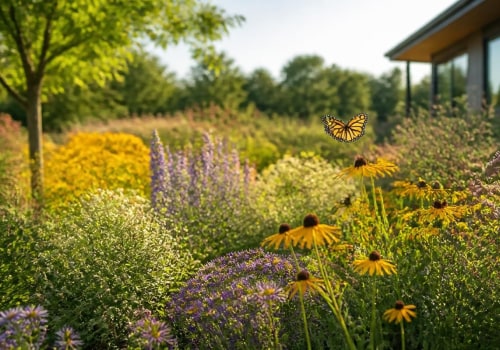
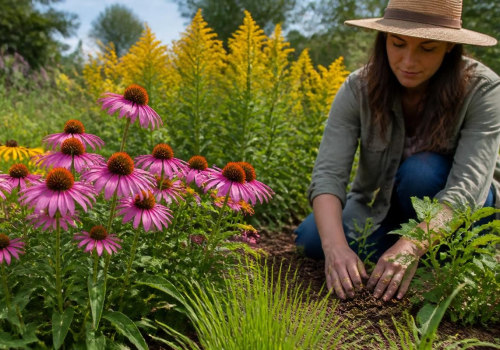
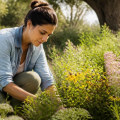
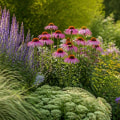
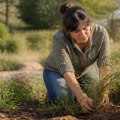
Native plant gardening is a practice that embraces the use of plants indigenous to a specific region, promoting biodiversity and ecological balance. By choosing native plants, gardeners can create vibrant landscapes that not only enhance the beauty of their surroundings but also support local wildlife, including pollinators like bees and butterflies. This approach to gardening is increasingly recognized for its environmental benefits, as native plants are adapted to local soil and climate conditions, requiring less water and fewer chemical inputs than non-native species. One of the key advantages of gardening with natives is the reduction of maintenance efforts. Native plants are naturally resilient, thriving in their native habitats without the need for excessive care.
This means less time spent on watering, fertilizing, and pest control, allowing gardeners to enjoy their outdoor spaces more fully. Additionally, native gardens can help combat invasive species by providing a competitive edge to local flora, thereby preserving the natural ecosystem. As we delve deeper into the topic of native plant gardening, it’s essential to consider various elements that contribute to a successful garden. One such element is mulch, which plays a crucial role in maintaining soil health and moisture levels. Understanding how mulch interacts with native plants will be vital as we explore its benefits and best practices in subsequent sections.
What is Mulch and Its Types?
Mulch is a layer of material applied to the surface of soil in gardens and landscapes.It serves multiple purposes, including moisture retention, temperature regulation, weed suppression, and aesthetic enhancement. Understanding the different types of mulch can help gardeners make informed decisions that benefit their native plant gardening efforts.
Types of Mulch
- Organic Mulch: This type of mulch is derived from natural materials and decomposes over time, enriching the soil. Common organic mulches include:
- Bark Chips: These provide a rustic look and are excellent for moisture retention.
- Straw: Ideal for vegetable gardens, straw helps suppress weeds while allowing water to penetrate.
- Wood Chips: Often used in pathways, they break down slowly and improve soil structure.
- Compost: Not only does it suppress weeds, but it also adds nutrients back into the soil as it breaks down.
- Inorganic Mulch: Unlike organic options, inorganic mulches do not decompose and can last for several years. They include:
- Rubber Mulch: Made from recycled tires, it is durable and effective at weed control.
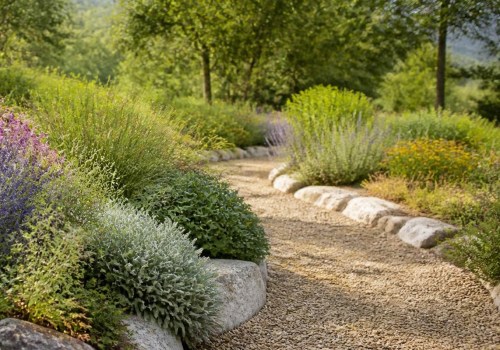
- Gravel or Rock: These materials are excellent for drainage and are often used in xeriscaping.
- Landscape Fabric: While not a traditional mulch, it can be used under other mulches to prevent weed growth.
Organic mulches are beneficial for native plants as they improve soil health over time, while inorganic options may be suitable for areas where low maintenance is desired. Ultimately, selecting the right type of mulch can enhance the health and beauty of your native plant garden.
Benefits of Using Mulch in Native Plant Gardens
Using mulch in a native plant garden offers numerous benefits that can enhance the health and vitality of your plants. Here are some key advantages:- Moisture Retention: Mulch acts as a barrier that helps retain soil moisture by reducing evaporation. This is particularly beneficial for native plants, which often thrive in specific moisture conditions.
By keeping the soil consistently moist, mulch supports healthy root development and reduces the need for frequent watering.
- Weed Suppression: One of the most significant challenges in gardening is managing weeds. A layer of mulch can effectively suppress weed growth by blocking sunlight and preventing weed seeds from germinating. This allows your native plants to compete more effectively for nutrients and space without the added stress of invasive weeds.
- Temperature Regulation: Mulch helps to moderate soil temperatures, keeping them cooler in the summer and warmer in the winter. This temperature regulation is crucial for native plants, which are adapted to specific climatic conditions.
By maintaining a stable environment, mulch can help reduce plant stress during extreme weather conditions.
- Soil Improvement: Organic mulches, such as wood chips or shredded leaves, break down over time, adding valuable nutrients back into the soil. This not only improves soil structure but also enhances its fertility, creating a more hospitable environment for your native plants.
How to Choose the Right Mulch for Native Plants
Choosing the right mulch for your native plant garden is crucial for promoting healthy growth and maintaining the ecological balance of your landscape. Here are some key considerations to help you make the best choice:- Understand Your Plants: Different native plants have varying needs.
For instance, drought-tolerant species may benefit from a lighter mulch that allows for better drainage, while moisture-loving plants might thrive with a denser mulch that retains water.
- Local Climate: The climate in your area plays a significant role in mulch selection. In hotter regions, organic mulches like shredded bark or wood chips can help keep the soil cool and moist. Conversely, in cooler climates, a thicker layer of mulch can insulate the soil and protect roots from frost.
- Soil Conditions: Assess your soil type before selecting mulch. Sandy soils may require a mulch that helps retain moisture, while clay soils might benefit from a mulch that improves aeration and drainage.
- Wood Chips: These are excellent for moisture retention and provide a natural look.
They decompose slowly, enriching the soil over time.
- Bark Mulch: Ideal for suppressing weeds and maintaining soil temperature, bark mulch is particularly effective around perennial native plants.
- Straw or Hay: These materials are great for annual native plants and can help with weed suppression while adding organic matter to the soil as they break down.
- Compost: While not a traditional mulch, compost can be used as a top dressing to improve soil health and provide nutrients to your native plants.
Applying Mulch: Best Practices
Applying mulch in a native plant garden is essential for promoting healthy plant growth and maintaining soil moisture. Here are some best practices to ensure effective mulch application:- Choose the Right Type of Mulch: Organic mulches, such as wood chips, straw, or shredded leaves, are ideal for native plant gardens. They not only suppress weeds but also enrich the soil as they decompose.
- Timing is Key: The best time to apply mulch is in the spring after the soil has warmed up and before the plants start to grow actively.
This timing helps retain moisture during the hot summer months.
- Depth Matters: Aim for a mulch layer of about 2 to 4 inches. Too little mulch may not effectively suppress weeds, while too much can suffocate plant roots and prevent water absorption.
- Clear the Area: Remove any weeds or debris from the area where you plan to apply mulch. This will help prevent competition for nutrients and water.
- Leave Space Around Plant Bases: Avoid piling mulch directly against the stems or trunks of plants. Instead, create a small gap (about 1-2 inches) around each plant to prevent rot and promote air circulation.
- Water Before Application: If possible, water the soil before applying mulch.
This ensures that moisture is locked in and helps the plants establish better.
Common Misconceptions About Mulch in Native Plant Gardening
When it comes to native plant gardening, there are several misconceptions surrounding the use of mulch that can lead to confusion among gardeners. Understanding these myths is crucial for creating a thriving ecosystem that supports local flora and fauna.- Myth 1: Mulch is harmful to native plants. Many believe that using mulch can suffocate native plants or prevent them from establishing roots. In reality, when applied correctly, mulch can protect the soil, retain moisture, and suppress weeds, all of which are beneficial for native plants.
- Myth 2: All types of mulch are suitable for native gardens. While organic mulches like wood chips or straw can enhance soil health, inorganic options like rubber or gravel may not provide the same benefits.
It's essential to choose natural mulches that decompose and enrich the soil over time.
- Myth 3: Mulch needs to be thickly applied. Some gardeners think that a thick layer of mulch is necessary for effectiveness. However, a layer of 2-3 inches is typically sufficient. Too much mulch can lead to moisture retention issues and create a habitat for pests.
- Myth 4: Mulch is a one-time application. Many assume that once mulch is applied, it doesn’t need to be replaced. In reality, organic mulch breaks down over time and should be replenished annually to maintain its benefits.
Properly used, mulch can be an invaluable tool in the practice of native plant gardening.
FAQs About Mulch and Native Plant Gardening
When it comes to native plant gardening, many gardeners have questions about the role of mulch. Here are some frequently asked questions that can help clarify its use in your garden.- What type of mulch is best for native plants?
Organic mulches, such as shredded bark, wood chips, or straw, are ideal for native plant gardens. They not only suppress weeds but also improve soil quality as they decompose. - How thick should I apply mulch?
A layer of 2 to 4 inches is generally recommended. This thickness helps retain moisture and suppress weeds without smothering the plants. - Can I use synthetic mulch?
While synthetic mulches like plastic can control weeds, they do not provide the same benefits as organic options.They can hinder soil health and water infiltration, which are crucial for native plants.
- Is mulch necessary for native plant gardens?
While not strictly necessary, mulch can significantly enhance the health of your garden by conserving moisture, regulating soil temperature, and reducing weed competition. - How often should I replenish mulch?
It’s advisable to check your mulch layer annually. Depending on decomposition rates and weather conditions, you may need to add more every year or every couple of years to maintain optimal coverage.
Conclusion: Embracing Mulch in Your Native Plant Garden
In conclusion, incorporating mulch into your native plant garden is not only beneficial but essential for creating a thriving ecosystem. Throughout this article, we have explored the various advantages of using mulch, including moisture retention, weed suppression, and soil temperature regulation.These factors are crucial for the health and vitality of native plants, which are often adapted to specific environmental conditions.Moreover, selecting the right type of mulch can enhance the aesthetic appeal of your garden while providing additional benefits. Organic mulches, such as wood chips or shredded leaves, not only improve soil structure as they decompose but also support local wildlife by providing habitat and food sources.
- Moisture Retention: Mulch helps maintain consistent soil moisture levels, reducing the need for frequent watering.
- Weed Control: A thick layer of mulch can significantly reduce weed growth, allowing native plants to thrive without competition.
- Soil Temperature Regulation: Mulch acts as an insulator, keeping soil temperatures stable during extreme weather conditions.
By understanding its role and implementing it thoughtfully, you can create a flourishing environment that supports biodiversity and enhances the beauty of your outdoor space.