In recent years, native plant gardening has gained significant popularity among environmentally conscious gardeners and landscape enthusiasts. This gardening approach focuses on cultivating plants that are indigenous to a specific region, promoting biodiversity and supporting local ecosystems. By choosing native species, gardeners can create vibrant landscapes that not only enhance the beauty of their surroundings but also provide essential habitats for local wildlife. On the other hand, a wildflower garden typically emphasizes a diverse array of flowering plants, many of which may be native but can also include non-native species. While both gardening styles celebrate the natural beauty of plants, they differ in their objectives and plant selections.
A wildflower garden often aims to create a colorful display of blooms throughout the growing season, attracting pollinators and adding aesthetic value. In contrast, a native plant garden prioritizes ecological balance and sustainability by focusing solely on plants that have evolved in harmony with the local environment. Understanding the difference between wildflower gardens and native plant gardens is crucial for gardeners looking to make informed choices about their landscaping practices. As we delve deeper into this topic, we will explore the unique benefits and considerations of each gardening style, helping you decide which approach aligns best with your gardening goals and environmental values.
Defining Wildflower Gardens
A wildflower garden is a vibrant and diverse space designed to showcase a variety of flowering plants that grow naturally in a specific region. Unlike traditional gardens that often feature cultivated flowers, wildflower gardens celebrate the beauty of native flora, creating a habitat that supports local wildlife and promotes ecological balance.Characteristics of Wildflower Gardens
- Diversity of Species: Wildflower gardens typically include a mix of annuals, perennials, and biennials, providing a rich tapestry of colors and textures throughout the growing season.
- Naturalistic Design: These gardens often mimic natural landscapes, with plants arranged in a way that reflects their growth patterns in the wild.
- Low Maintenance: Once established, wildflower gardens require less maintenance than traditional gardens, as the plants are adapted to local soil and climate conditions.
- Seasonal Interest: Wildflowers bloom at different times, ensuring that the garden remains visually appealing from spring through fall.
Benefits of Wildflower Gardens
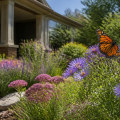
- Support for Pollinators: Wildflower gardens provide essential habitats for bees, butterflies, and other pollinators, which are crucial for maintaining healthy ecosystems.
- Soil Health: The deep roots of many wildflowers help improve soil structure and prevent erosion, contributing to overall soil health.
- Biodiversity Enhancement: By planting a variety of species, wildflower gardens promote biodiversity, which can lead to more resilient ecosystems.
- Aesthetic Appeal: The natural beauty of wildflowers can enhance the visual landscape, attracting visitors and creating a serene environment.
Understanding these characteristics can help gardeners appreciate the unique role that wildflower gardens play in the broader context of native plant gardening.
Understanding Native Plant Gardens
A native plant garden is a landscape designed specifically to feature plants that are indigenous to a particular region. These gardens are not only aesthetically pleasing but also play a crucial role in supporting local ecosystems. By incorporating plants that have evolved in harmony with the local climate and soil conditions, native plant gardens promote biodiversity and provide essential habitats for wildlife.Characteristics of Native Plant Gardens
- Local Flora: The primary characteristic of a native plant garden is the use of plants that are native to the area. This means they are well-adapted to the local environment, requiring less water and maintenance compared to non-native species.
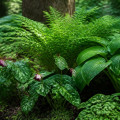
- Diversity: These gardens often feature a variety of species, including grasses, wildflowers, shrubs, and trees, which together create a balanced ecosystem.
- Seasonal Interest: Native plants typically bloom at different times throughout the year, providing continuous color and interest in the garden.
- Wildlife Support: Native plant gardens attract pollinators such as bees, butterflies, and birds, contributing to the health of local wildlife populations.
- Environmental Sustainability: By using plants that are adapted to the local environment, native gardens require less water and fewer chemical fertilizers or pesticides, making them more sustainable.
- Soil Health: Native plants help improve soil structure and fertility through their root systems, which can prevent erosion and promote healthy soil biology.
- Cultural Significance: Many native plants hold cultural importance for local communities and can be used in traditional practices or as part of local heritage.
- Cost-Effectiveness: Once established, native plant gardens often require less maintenance and fewer resources than traditional gardens filled with exotic species.
Embracing native plant gardening can lead to a more sustainable future while enhancing the beauty of our landscapes.
Key Differences Between Wildflower and Native Plant Gardens
When considering wildflower gardens versus native plant gardens, it’s essential to understand their distinct characteristics and purposes. While both types of gardens celebrate the beauty of local flora, they differ significantly in their composition and ecological roles.Definition and Composition
A wildflower garden primarily focuses on flowering plants that grow naturally in a specific region. These gardens often feature a mix of annuals and perennials that bloom at different times, creating a vibrant display throughout the growing season. In contrast, a native plant garden encompasses a broader range of plants indigenous to a particular area, including grasses, shrubs, and trees, in addition to wildflowers.This diversity supports various wildlife and contributes to a balanced ecosystem.
Ecological Impact
One of the key differences lies in their ecological impact.Native plant gardening
promotes biodiversity by providing habitats for local wildlife, including pollinators like bees and butterflies. These plants are adapted to the local climate and soil conditions, making them more resilient and less reliant on irrigation or fertilizers. On the other hand, while wildflower gardens can attract pollinators, they may not offer the same level of habitat support as a diverse native plant garden.Maintenance Requirements
Maintenance is another area where these gardens diverge.Wildflower gardens can require more frequent care to manage invasive species and ensure that the wildflowers thrive. In contrast, native plant gardens often require less maintenance once established, as the plants are well-suited to their environment.
Aesthetic Considerations
Aesthetically, both garden types can be stunning; however, wildflower gardens tend to have a more chaotic and colorful appearance due to the variety of blooming flowers. Native plant gardens may present a more structured look, showcasing the beauty of local flora in a way that reflects natural landscapes.In summary, while both wildflower and native plant gardens offer unique benefits and beauty, understanding their differences can help gardeners make informed choices that align with their ecological goals and aesthetic preferences.Ecological Benefits of Native Plant Gardening
Native plant gardening offers a multitude of ecological benefits that contribute significantly to the health of our ecosystems. By choosing plants that are indigenous to a specific region, gardeners can foster a more balanced and resilient environment. One of the primary advantages of native plants is their ability to support local biodiversity.These plants have evolved alongside local wildlife, providing essential habitats and food sources for various species, including birds, butterflies, and beneficial insects. This symbiotic relationship enhances the overall health of the ecosystem, making it more robust against diseases and environmental changes. Moreover, native plants are typically better adapted to local soil and climate conditions, which means they require less water and fewer chemical inputs compared to non-native species. This leads to a reduction in environmental impact, as less irrigation and fewer fertilizers or pesticides are needed. As a result, native plant gardens can help conserve water resources and minimize chemical runoff into nearby waterways. Another significant benefit is the role of native plants in soil health.
Their deep root systems improve soil structure and promote nutrient cycling, which can enhance soil fertility over time. This not only benefits the plants themselves but also supports other organisms in the soil ecosystem. In addition to these ecological advantages, native plant gardening can also play a crucial role in combating climate change. By sequestering carbon dioxide through photosynthesis, native plants help mitigate greenhouse gas emissions. Furthermore, their resilience to local climate conditions means they are less likely to suffer from extreme weather events, making them a sustainable choice for gardeners. In summary, the ecological benefits of native plant gardening are profound.
By choosing native species, gardeners contribute to biodiversity, enhance soil health, reduce environmental impact, and support climate resilience. These factors make native plant gardening not just an aesthetic choice but a vital practice for promoting ecological sustainability.
How to Create a Wildflower Garden
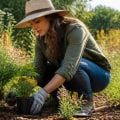
Creating a wildflower garden can be a rewarding endeavor that not only beautifies your landscape but also supports local ecosystems. Here are some practical tips to help you get started on your wildflower gardening journey.1.Choose the Right Location
Select a sunny spot in your yard, as most wildflowers thrive in full sun. Ensure the area has well-draining soil, as standing water can hinder growth.2.Prepare the Soil
- Clear the Area: Remove any existing grass or weeds to prevent competition for nutrients.
- Till the Soil: Loosen the top few inches of soil to create a hospitable environment for seeds.
- Add Organic Matter: Incorporate compost or well-rotted manure to enrich the soil.
3.Select Your Wildflower Seeds
Choose a mix of native wildflower seeds that are suited to your region.This not only ensures better growth but also attracts local pollinators. Look for seeds that bloom at different times throughout the growing season for continuous color.
4.Planting Wildflowers
- Timing: The best time to plant wildflower seeds is in the fall or early spring, depending on your climate.
- Sowing Seeds: Scatter seeds evenly over the prepared soil and lightly rake them in. Avoid burying them too deep, as many wildflower seeds require light to germinate.
5.Watering and Maintenance
After planting, water the area gently to help settle the seeds into the soil. Once established, wildflowers typically require less water than traditional gardens.However, during dry spells, occasional watering may be necessary.
6.Enjoy and Observe
As your wildflower garden begins to bloom, take time to enjoy its beauty and observe the wildlife it attracts. Keep an eye out for butterflies, bees, and other beneficial insects that will thrive in your new garden.By following these steps, you can successfully create a vibrant wildflower garden that enhances your outdoor space while promoting biodiversity.How to Create a Native Plant Garden
Creating a native plant garden is a rewarding endeavor that not only enhances the beauty of your landscape but also supports local ecosystems. Here are some practical steps to help you get started:- Research Your Local Ecosystem: Begin by understanding the native plants that thrive in your region. Consult local extension services, botanical gardens, or native plant societies to gather information on suitable species.
- Choose the Right Location: Select a site that receives adequate sunlight and has appropriate soil conditions for the plants you wish to grow.
Consider factors such as drainage and proximity to water sources.
- Plan Your Garden Layout: Design your garden by grouping plants with similar water and light requirements. This not only creates a visually appealing arrangement but also simplifies maintenance.
- Prepare the Soil: Before planting, amend the soil as needed. Native plants often thrive in less fertile soils, so avoid over-fertilizing. Incorporate organic matter to improve soil structure and drainage.
- Select Diverse Species: Incorporate a variety of native plants, including perennials, annuals, and grasses.
This diversity will attract a range of pollinators and beneficial insects, enhancing the ecological value of your garden.
- Plant at the Right Time: Timing is crucial for successful establishment. Early spring or fall are typically the best times to plant native species, allowing them to establish roots before extreme weather conditions.
- Water Wisely: Newly planted natives may require regular watering until established. However, once they are rooted, many native plants are drought-tolerant and require less frequent watering.
- Maintain Your Garden: While native gardens are generally low-maintenance, occasional weeding and monitoring for pests will help keep your garden healthy. Embrace natural methods of pest control whenever possible.
Remember, patience is key; it may take time for your garden to fully establish and flourish.
Common Misconceptions About Wildflower and Native Plant Gardens
When it comes to wildflower gardens and native plant gardens, several misconceptions can cloud the understanding of these two distinct gardening styles. Addressing these myths is essential for anyone interested in native plant gardening.Myth 1: All Wildflowers Are Native
One common misconception is that all wildflowers are native to a specific region. While many wildflowers are indeed native, some are introduced species that can disrupt local ecosystems. It’s crucial to research the specific wildflowers you plan to include in your garden to ensure they are beneficial to local wildlife.Myth 2: Native Plants Are Weeds
Another prevalent myth is that native plants are just weeds.This misconception arises from the fact that many native plants can grow vigorously and may not fit the traditional aesthetic of a manicured garden. However, native plants provide essential habitat and food for local wildlife, making them invaluable for biodiversity.
Myth 3: Wildflower Gardens Require No Maintenance
Many believe that wildflower gardens are low-maintenance and require little care. While they can be more resilient than traditional gardens, they still require attention, especially during their establishment phase. Regular weeding, monitoring for pests, and occasional watering are necessary to ensure a thriving wildflower garden.Myth 4: Native Plant Gardens Are Boring
Some people think that native plant gardens lack visual interest compared to exotic gardens.In reality, native plants offer a diverse range of colors, shapes, and sizes throughout the seasons. By carefully selecting a variety of native species, gardeners can create stunning landscapes that change with the seasons.
Conclusion
Understanding these misconceptions about wildflower and native plant gardens is vital for anyone looking to engage in native plant gardening. By dispelling these myths, gardeners can make informed choices that benefit both their landscapes and the environment.Conclusion: Choosing the Right Garden for You
In conclusion, understanding the differences between a wildflower garden and a native plant garden is essential for making informed gardening choices that align with your ecological goals and personal preferences. Both types of gardens offer unique benefits, but they cater to different gardening philosophies and aesthetic desires.A wildflower garden typically emphasizes a diverse array of flowering plants that may not be native to your specific region.This type of garden can create a vibrant, colorful display that attracts various pollinators and wildlife. However, it may require more maintenance to ensure that non-native species do not outcompete local flora.On the other hand, a native plant garden focuses on cultivating plants that are indigenous to your area. This approach not only supports local ecosystems but also promotes biodiversity by providing habitats for native wildlife. Native plants are generally more resilient to local climate conditions and pests, making them easier to maintain in the long run.When deciding which type of garden to pursue, consider the following factors:
- Ecological Impact: If your goal is to support local wildlife and promote biodiversity, a native plant garden may be the better choice.
- Aesthetic Preferences: If you prefer a more colorful and varied display, a wildflower garden might suit your tastes.
- Maintenance Level: Assess how much time and effort you can dedicate to gardening; native plants often require less upkeep.
- Local Climate: Consider how well each type of garden will thrive in your specific environment.
By carefully considering your gardening goals and preferences, you can create a space that not only beautifies your surroundings but also supports the ecological health of your community.