Desert climates present a unique set of challenges for native plant gardening, making it essential for gardeners to understand the specific characteristics of these environments. With temperature extremes that can soar during the day and plummet at night, plants must be resilient and well-adapted to survive. The intense sunlight and low humidity levels can lead to rapid evaporation, which significantly impacts water availability—a critical resource for any garden. Soil types in desert regions often differ from those found in more temperate climates. Typically, desert soils are sandy or rocky, with low organic matter content and poor nutrient retention.
This means that gardeners need to select native plants that not only thrive in these conditions but also require minimal amendments to the soil. Understanding the local ecosystem is vital; many native plants have evolved to utilize limited water efficiently and can withstand drought conditions. Moreover, the challenges of gardening in a desert extend beyond just soil and water. Wind erosion can be a significant issue, as can the presence of invasive species that compete with native flora. By recognizing these factors, gardeners can make informed decisions about plant selection and garden design, ultimately creating a thriving native plant garden that respects and enhances the unique beauty of the desert landscape.
Choosing the Right Native Plants for Desert Gardens
When it comes to native plant gardening in desert climates, selecting the right plants is crucial for creating a thriving garden that requires minimal water and maintenance.Desert environments present unique challenges, including extreme temperatures and limited rainfall, making it essential to choose plants that are well-adapted to these conditions.
Understanding Drought Resistance
- Drought-resistant plants are specifically adapted to survive in arid conditions. These plants have developed various strategies, such as deep root systems, thick leaves, and waxy coatings, to minimize water loss.
- Look for species that naturally occur in your local desert region. These plants are more likely to thrive without excessive irrigation.
Best Native Plants for Desert Gardening
- Agave: This succulent is not only striking in appearance but also incredibly resilient. Agave species can store water in their leaves, making them perfect for dry landscapes.
- Desert Marigold: With bright yellow flowers, this perennial thrives in poor soil and requires little water once established.
- California Poppy: As the state flower of California, this vibrant annual is drought-tolerant and attracts pollinators.
- Saguaro Cactus: Iconic of the American Southwest, this cactus can store large amounts of water and provides habitat for various wildlife.
- Creosote Bush: Known for its distinctive smell after rain, this hardy shrub is a staple in many desert ecosystems and can survive with minimal moisture.
This practice, known as hydrozoning, allows you to optimize irrigation and ensure that each plant receives the appropriate amount of water without waste.By carefully choosing native plants for desert gardening that are both beautiful and resilient, you can create a sustainable landscape that flourishes even in the harshest conditions. Remember to research local species and consult with local nurseries or extension services for additional guidance on the best plants suited for your specific area.
Soil Preparation and Amendments for Desert Gardening
Preparing soil for a native plant garden in a desert climate requires careful consideration of the unique challenges posed by arid conditions. The first step in soil preparation is to assess the existing soil quality. Desert soils are often sandy, rocky, and low in organic matter, which can hinder plant growth.To improve these conditions, follow these essential techniques:
- Soil Testing: Conduct a soil test to determine pH levels and nutrient content. This information will guide your amendment choices.
- Organic Matter Addition: Incorporate organic materials such as compost, well-rotted manure, or leaf litter. These amendments enhance soil structure, improve moisture retention, and provide essential nutrients.
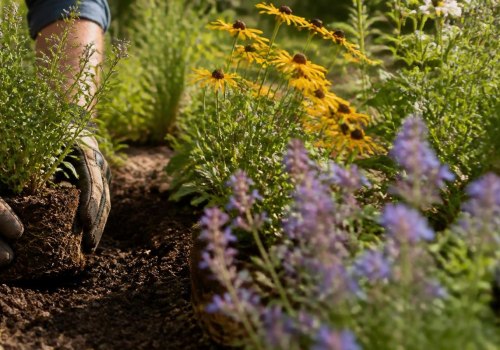
- Mulching: Apply a layer of organic mulch around plants to reduce evaporation, suppress weeds, and gradually enrich the soil as it breaks down.
- Soil Aeration: If the soil is compacted, consider aerating it to improve drainage and root penetration. This can be done using a garden fork or specialized tools.
- Water Retention Techniques: Implement water-retaining amendments like hydrogels or coconut coir to help maintain moisture levels in the soil.
Some native species thrive in sandy soils, while others prefer clay or loamy textures. Researching local flora can help you select plants that will flourish in your garden.Finally, remember that improving desert soil is an ongoing process. Regularly adding organic matter and monitoring soil health will create a thriving environment for your native plants, ensuring they not only survive but also thrive in your desert garden.
Watering Techniques and Irrigation Systems for Desert Gardens
When it comes to native plant gardening in desert climates, understanding effective watering techniques and selecting the right irrigation systems are crucial for the health and sustainability of your garden. Given the arid conditions, implementing efficient watering methods can significantly enhance plant growth while conserving water.Efficient Watering Techniques
One of the most effective ways to water a desert garden is through deep watering.This technique encourages roots to grow deeper into the soil, allowing plants to access moisture stored below the surface. Here are some efficient watering techniques:
- Drip Irrigation: This system delivers water directly to the base of each plant, minimizing evaporation and runoff. It is particularly beneficial for native plants that have adapted to low-water conditions.
- Soaker Hoses: These hoses allow water to seep out slowly along their length, providing a gentle and consistent moisture level to the soil.
- Mulching: Applying a layer of organic mulch around plants helps retain soil moisture, reduces temperature fluctuations, and suppresses weed growth.
Irrigation Systems for Native Plants
Selecting the right irrigation system is essential for maintaining a thriving native plant garden in a desert climate. Consider these options:- Smart Irrigation Controllers: These devices adjust watering schedules based on weather conditions, ensuring that plants receive adequate moisture without overwatering.
- Rainwater Harvesting: Collecting rainwater in barrels can provide an eco-friendly source of irrigation.
This method not only conserves water but also utilizes a natural resource.
- Subsurface Irrigation: This system places water delivery lines below the soil surface, reducing evaporation and ensuring that moisture reaches the root zone directly.
Creating Microclimates to Support Native Plants
Creating microclimates within your native plant garden is essential for protecting plants from the harsh conditions typical of a desert climate. By strategically designing your garden, you can create areas that offer shade, moisture retention, and temperature regulation, which are crucial for the survival of native species.Understanding Microclimates
- Microclimates are small areas within a larger climate zone that have different environmental conditions. In a desert garden, these can be created through various techniques.
- Factors such as elevation, wind patterns, and proximity to structures can all influence the microclimate.
Creating Shade
- Utilize existing trees or shrubs to provide natural shade for more delicate native plants.
This can help reduce soil temperature and evaporation rates.
- Consider installing trellises or shade cloths to create artificial shade during the hottest parts of the day.
- Plant taller species on the western side of your garden to block the intense afternoon sun from reaching shorter plants.
Temperature Regulation
- Incorporate water features like ponds or fountains, which can help moderate temperatures and increase humidity levels in their immediate vicinity.
- Use mulch around plants to retain soil moisture and keep root zones cooler during extreme heat.
- Group plants with similar water and light needs together to create a more stable environment that supports their growth.
Pest Management and Plant Health in Desert Gardens
Maintaining plant health in a native plant garden within a desert climate requires a proactive approach to pest management. The unique environmental conditions of deserts can lead to specific challenges, including the presence of common pests that thrive in arid conditions.Common Pests in Desert Gardening
- Spider Mites: These tiny pests can cause significant damage by sucking the sap from plants, leading to yellowing leaves and stunted growth.
- Whiteflies: Often found on the undersides of leaves, whiteflies can weaken plants by feeding on their sap and may also transmit diseases.
- Scale Insects: These pests attach themselves to stems and leaves, creating a protective shell that makes them difficult to control.
- Leafhoppers: Known for their jumping ability, leafhoppers can cause leaf discoloration and transmit plant viruses.
Pest Management Strategies
- Encourage Beneficial Insects: Introduce or attract natural predators such as ladybugs and lacewings that feed on harmful pests.
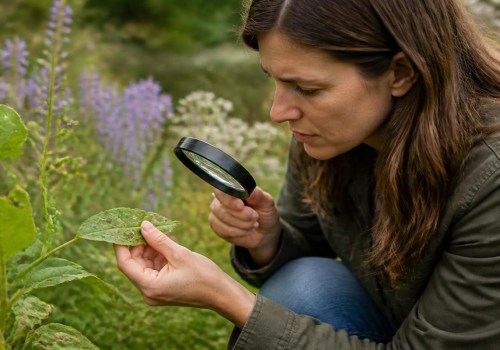
- Regular Monitoring: Inspect your plants frequently for signs of pest activity. Early detection is key to preventing infestations.
- Use Organic Pesticides: If necessary, opt for organic solutions like neem oil or insecticidal soap that are less harmful to beneficial insects and the environment.
- Maintain Plant Health: Healthy plants are more resilient to pest attacks.
Ensure proper watering, mulching, and soil health to support robust growth.
Seasonal Care and Maintenance of Desert Native Gardens
Maintaining a native plant garden in a desert climate requires a keen understanding of seasonal changes and specific care practices. Each season presents unique challenges and opportunities for nurturing your garden.Spring: Preparation and Planting
As temperatures begin to rise, spring is the ideal time to prepare your garden for new growth. Start by:- Clearing debris from the previous season to prevent pests and diseases.
- Testing soil moisture levels; desert soils can dry out quickly, so ensure adequate hydration.
- Planting new native species that thrive in warmer temperatures, such as desert marigold and evening primrose.
Summer: Watering and Mulching
During the scorching summer months, focus on efficient watering techniques.Native plants are adapted to arid conditions, but they still require some moisture:
- Water deeply but infrequently to encourage deep root growth.
- Apply mulch around plants to retain moisture and regulate soil temperature.
- Monitor for pests, as the heat can attract certain insects; use organic pest control methods when necessary.
Fall: Pruning and Fertilizing
As temperatures begin to cool, fall is the perfect time for maintenance tasks that prepare your garden for winter:- Prune any dead or overgrown branches to promote healthy growth in the spring.
- Add organic compost to enrich the soil, providing essential nutrients for your plants.
- Plant cover crops, if desired, to improve soil health during the dormant season.
winter: Protection and Planning
In winter, while many native plants go dormant, there are still important tasks to consider:- Protect sensitive plants from frost by covering them with burlap or frost cloth during cold snaps.
- Plan for the next growing season; research new native species that could enhance your garden's biodiversity.
- Continue monitoring for any signs of disease or pest issues that may arise during milder winter days.
FAQs About Native Plant Gardening in Desert Climates
When it comes to native plant gardening in desert climates, many new gardeners have questions about how to successfully cultivate a thriving garden. Here are some frequently asked questions that can help guide your efforts:- What types of native plants are best for desert gardens?
Choosing plants that are well-adapted to arid conditions is crucial. Look for species such as desert marigold, agave, and California poppy. These plants not only survive but thrive in low-water environments. - How often should I water my native plants?
While native plants are drought-tolerant, they still need some water, especially during their establishment phase.Water deeply but infrequently, allowing the soil to dry out between watering sessions.
- What soil conditions are ideal for desert native plants?
Desert plants prefer well-draining soil. Consider amending your garden with sand or gravel to improve drainage and mimic their natural habitat. - Can I incorporate non-native plants into my garden?
While it’s best to focus on native species, if you choose to include non-natives, select drought-tolerant varieties that won’t compete aggressively with your native plants. - What are some tips for new gardeners in desert climates?
Start small by selecting a few native species and observe how they perform. Use mulch to retain moisture and reduce weed growth. Additionally, consider planting in the fall or early spring when temperatures are milder.
Remember, patience and observation are key as you learn what works best in your unique environment.
Conclusion: Embracing Native Plant Gardening in Arid Environments
In conclusion, native plant gardening in desert climates presents unique challenges and opportunities that can lead to a thriving, sustainable landscape. Understanding the specific considerations for this environment is crucial for success. First and foremost, selecting the right plants is essential. Native species are adapted to the local climate and soil conditions, making them more resilient to drought and extreme temperatures. By choosing plants that naturally thrive in arid environments, gardeners can reduce water usage and maintenance efforts. Additionally, soil preparation plays a significant role in establishing a successful native plant garden.Desert soils often lack organic matter and nutrients. Amending the soil with compost or other organic materials can improve its structure and fertility, providing a better foundation for plant growth. Water management is another critical factor. Implementing efficient irrigation systems, such as drip irrigation, can help conserve water while ensuring that plants receive adequate moisture. Furthermore, timing watering sessions to coincide with cooler parts of the day can minimize evaporation losses. Mulching is also beneficial in desert gardening.
A layer of mulch helps retain soil moisture, suppress weeds, and regulate soil temperature. This practice not only supports plant health but also enhances the overall aesthetic of the garden. Finally, embracing biodiversity by incorporating a variety of native plants can create a balanced ecosystem that attracts beneficial wildlife, such as pollinators and birds. This diversity not only enriches the garden but also contributes to the resilience of the landscape. By understanding these specific considerations and implementing best practices, gardeners can successfully cultivate a native plant garden that thrives in desert conditions, ultimately contributing to environmental sustainability and enhancing local biodiversity.