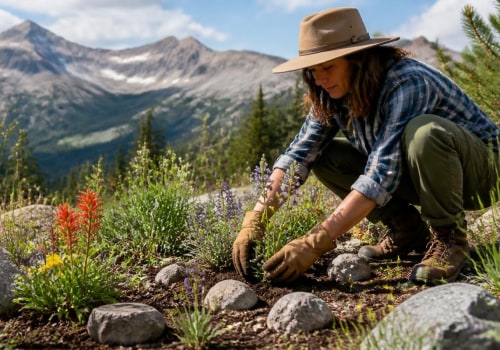
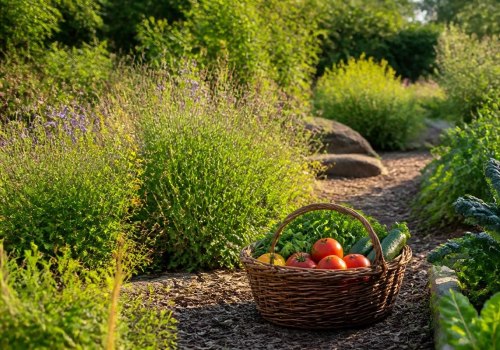
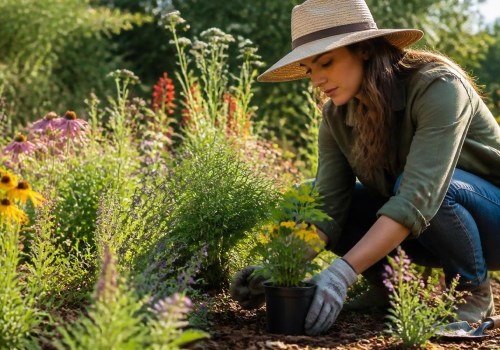
When embarking on the journey of native plant gardening, it is essential to first understand what native plants are. Native plants are species that have evolved in a specific region over thousands of years, adapting to the local climate, soil, and wildlife. This deep-rooted connection to their environment makes them uniquely suited for gardens in their native habitats. By choosing these plants, gardeners can create landscapes that not only thrive but also support local ecosystems. The benefits of native plants extend far beyond aesthetics.
They play a crucial role in promoting biodiversity by providing habitat and food for local wildlife, including birds, butterflies, and beneficial insects. Unlike non-native species, which can often become invasive and disrupt local ecosystems, native plants coexist harmoniously with their surroundings. This natural synergy helps maintain ecological balance and contributes to healthier soil and water systems. Moreover, native plant gardening is a sustainable choice that requires less maintenance and fewer resources. Native plants are adapted to local weather conditions, meaning they typically need less water and are more resistant to pests and diseases.
This resilience not only reduces the need for chemical fertilizers and pesticides but also conserves water—an increasingly vital consideration in many regions facing drought. By opting for native plants, gardeners can cultivate beautiful landscapes that are both environmentally friendly and low-maintenance.
Planning Your Native Plant Garden
Designing a visually appealing native plant garden begins with careful planning. The first step is to conduct a thorough site assessment. This involves evaluating the specific conditions of your garden space, including sunlight exposure, moisture levels, and existing soil quality.1.Assess Sunlight and Shade:
Observe how much sunlight your garden receives throughout the day.
Most native plants thrive in full sun, while some prefer partial shade. Take note of areas that are consistently shaded by trees or structures, as this will influence your plant selection.
2.Evaluate Soil Conditions:
Understanding your soil type is crucial for successful native plant gardening. Conduct a simple soil test to determine pH levels and nutrient content. Native plants often prefer well-drained soils, so consider amending heavy clay or sandy soils to create a more hospitable environment.
3.Consider Local Climate:
Familiarize yourself with your local climate zone.
This knowledge will help you choose plants that are well-adapted to your region's temperature fluctuations and precipitation patterns. Native plants are typically more resilient to local weather conditions, making them easier to maintain.
4.Create a Design Plan:
Once you have assessed your site, start sketching a design plan. Consider incorporating various layers of plants—such as ground covers, mid-height perennials, and taller shrubs—to create visual interest and habitat diversity. Group plants with similar water and light requirements together to simplify maintenance.
5.Incorporate Hardscaping Elements:
To enhance the aesthetic appeal of your native plant garden, think about adding hardscaping features like paths, benches, or decorative stones.
These elements can provide structure and make the garden more inviting.By taking the time to assess your site and plan thoughtfully, you can create a native plant garden that is not only beautiful but also sustainable and beneficial for local wildlife.
Choosing the Right Native Plants for Your Area
When embarking on your native plant gardening journey, the first step is to understand the specific conditions of your garden and the native plant species that thrive in your area. Selecting the right plants not only enhances the beauty of your garden but also supports local ecosystems.1.Research Local Flora
- Start by identifying the native plants that are indigenous to your region. Resources such as local extension services, botanical gardens, and native plant societies can provide valuable information.
- Consider using online databases or apps that specialize in native plants, which can help you find species suited to your specific climate and soil type.
2.Assess Your Garden Conditions
- Evaluate factors such as sunlight, soil type, moisture levels, and space availability. Different native plants have varying requirements; for instance, some may prefer full sun while others thrive in shaded areas.
- Conduct a soil test to determine pH and nutrient levels, which can guide you in selecting plants that will flourish in your garden's unique environment.
3.Choose Diverse Species
- Incorporate a variety of native plant species to create a balanced ecosystem.
This diversity can attract beneficial insects, birds, and other wildlife, enhancing the overall health of your garden.
- Consider including a mix of perennials, annuals, shrubs, and trees to provide year-round interest and support different wildlife throughout the seasons.
4.Consult Local Experts
- Engage with local horticulturists or landscape designers who specialize in native plant gardening. Their expertise can help you make informed decisions about which plants will work best in your garden.
- Participate in community workshops or gardening clubs focused on native plants to gain insights from fellow gardeners who share your passion.
Designing the Layout of Your Garden
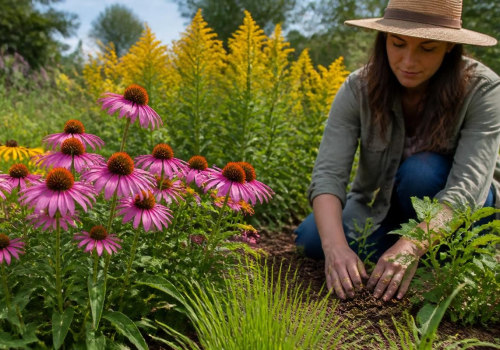
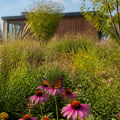
Designing the layout of your native plant garden is crucial for creating a visually appealing and functional space. A well-thought-out garden layout design not only enhances the aesthetic appeal but also promotes biodiversity and supports local wildlife.Start by considering the arrangement of native plants. Group plants with similar water and sunlight needs together to create microhabitats that thrive.This not only simplifies maintenance but also allows for a more cohesive look. For instance, place sun-loving plants like Black-eyed Susans and Purple Coneflowers in areas that receive full sun, while shade-tolerant species such as Wild Ginger can be positioned under trees or larger shrubs.
Layering for Depth
Layering is another essential aspect of garden design. By varying the heights of your plants, you can create depth and visual interest. Use taller plants, such as Joe Pye Weed, at the back of borders or in the center of circular beds, while medium-height plants like Bee Balm can fill in the middle ground.Finally, low-growing ground covers such as Creeping Thyme or Wild Strawberry can be used at the front to soften edges and prevent soil erosion.
Creating Visual Interest
Incorporate elements that add visual interest throughout the seasons. Choose a mix of flowering plants that bloom at different times to ensure color throughout the growing season. Additionally, consider using ornamental grasses for texture and movement, which can provide a striking contrast against flowering plants.- Color Schemes: Select a color palette that complements your home and surrounding landscape.
- Focal Points: Introduce focal points such as a birdbath or a bench to draw the eye and create inviting spaces.
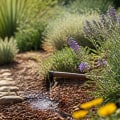
- Pathways: Design pathways using natural materials like gravel or stepping stones to guide visitors through your garden.
Maintenance Tips for a Thriving Native Plant Garden
Maintaining a native plant garden is essential for ensuring its longevity and beauty.Here are some key maintenance tips to help your garden thrive:
Watering
While many native plants are drought-resistant, they still require adequate moisture, especially during their establishment phase. Here are some watering tips:- Initial Watering: Water newly planted native species deeply once a week for the first month to encourage root development.
- Seasonal Adjustments: During dry spells, monitor soil moisture and water as needed, focusing on the root zone.
- Mulching: Apply a layer of organic mulch around plants to retain moisture and suppress weeds.
Pruning
Regular pruning helps maintain the health and appearance of your native plants. Consider the following:- Timing: Prune in late winter or early spring before new growth begins.
- Deadheading: Remove spent flowers to encourage more blooms and prevent self-seeding if not desired.
- Shaping: Trim back overgrown plants to promote bushier growth and improve air circulation.
Pest Management
Pest issues can arise in any garden, but native plants often have natural defenses. Here are some strategies for managing pests:- Observation: Regularly inspect your plants for signs of pests or disease.
- Natural Predators: Encourage beneficial insects like ladybugs and lacewings that prey on common pests.
- Organic Solutions: Use insecticidal soap or neem oil as a last resort to manage infestations without harming beneficial organisms.
Remember, the goal is to create a sustainable ecosystem that requires minimal intervention while providing beauty and habitat for local wildlife.
Attracting Wildlife to Your Native Plant Garden
Creating a wildlife friendly garden is one of the most rewarding aspects of native plant gardening. By incorporating specific plants and design elements, you can attract a variety of beneficial wildlife, including pollinators like bees and butterflies, as well as birds and other small creatures.Choosing the Right Plants
The foundation of a successful wildlife garden lies in the selection of native plants. These plants are adapted to your local environment and provide essential food and habitat for wildlife. Consider including:- Flowering plants that bloom at different times throughout the growing season to provide a continuous source of nectar.
- Host plants for caterpillars, such as milkweed for monarchs or parsley for swallowtails.
- Berries and fruits that attract birds, like serviceberry or elderberry.
Creating Shelter and Nesting Sites
In addition to food sources, wildlife needs shelter to thrive.Incorporate elements such as:
- Nest boxes for birds, which can be placed in trees or on poles.
- Brush piles made from fallen branches to provide cover for small mammals and insects.
- Rock gardens that offer hiding spots for reptiles and amphibians.
Water Sources
A reliable water source is crucial for attracting wildlife. Consider adding:- Bird baths that are shallow and easy for birds to access.
- Ponds or water features, which can also support amphibians and beneficial insects.
Common Mistakes to Avoid in Native Plant Gardening
Starting a native plant garden can be a rewarding experience, but many novice gardeners fall into common traps that can hinder their success. Here are some of the most frequent mistakes to avoid:- Choosing the Wrong Plants: One of the biggest errors is selecting plants that are not suited to your local climate or soil conditions.
Always research native species that thrive in your area to ensure they will flourish.
- Neglecting Soil Preparation: Many gardeners underestimate the importance of soil health. Native plants often prefer well-drained, nutrient-rich soil. Conduct a soil test and amend it as necessary before planting.
- Overwatering: Native plants are adapted to local rainfall patterns and typically require less water than non-native species. Overwatering can lead to root rot and other issues.
Be sure to understand the watering needs of your chosen plants.
- Ignoring Plant Spacing: Crowding plants can lead to competition for resources and poor air circulation, making them more susceptible to pests and diseases. Follow recommended spacing guidelines for each species.
- Failing to Plan for Seasonal Changes: A common oversight is not considering how the garden will look throughout the seasons. Incorporate a variety of plants that bloom at different times to maintain visual interest year-round.
Conclusion: Embracing Native Plant Gardening for a Sustainable Future
In conclusion, native plant gardening is not just a trend; it is a vital practice that contributes to the health of our ecosystems and the beauty of our landscapes.By choosing plants that are indigenous to your region, you create a garden that thrives with minimal maintenance while supporting local wildlife, including pollinators and birds.Throughout this article, we have explored various aspects of designing a visually appealing native plant garden. From selecting the right plants to understanding their growth habits and environmental needs, each step plays a crucial role in creating a sustainable garden. Here are some key takeaways:
- Choose native species: Opt for plants that are well-adapted to your local climate and soil conditions.
- Diversity is key: Incorporate a variety of plants to create visual interest and support different wildlife species.
- Design for all seasons: Select plants that bloom at different times of the year to ensure your garden remains vibrant throughout the seasons.
- Consider maintenance: Native plants typically require less water and fewer chemicals, making them easier to care for.
Start with a few native plants in your yard or community space, and watch as they flourish and attract life.Let us take this opportunity to cultivate gardens that reflect our commitment to nature. Together, we can foster a greener future, one native plant at a time.