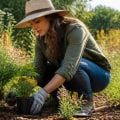
When embarking on a journey into native plant gardening, it’s essential to first understand what native plants are. Native plants are species that have evolved in a specific region over thousands of years, adapting to the local climate, soil, and wildlife. This deep-rooted connection to their environment makes them uniquely suited for gardens in their native habitats. By incorporating these plants into your garden, you not only enhance its beauty but also contribute to the local ecosystem. The benefits of native plants extend far beyond aesthetics.
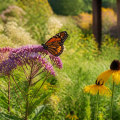
One of the most significant advantages is their ability to support local wildlife, including birds, butterflies, and beneficial insects. Native plants provide essential food sources and habitats for these creatures, promoting biodiversity in your garden. Additionally, they are typically more resilient to local pests and diseases, reducing the need for chemical interventions and making them a more sustainable choice for gardeners. Moreover, native plant gardening offers practical benefits such as lower maintenance requirements and water conservation. These plants are adapted to thrive in local conditions, meaning they often require less watering and care than non-native species.
By choosing native plants, you can create a vibrant garden that not only looks good but also works harmoniously with the environment. This approach not only fosters a sense of place but also encourages a deeper appreciation for the natural world around us.
Assessing Your Garden's Environment
Choosing the right native plants for your garden begins with a thorough assessment of your garden's environment. Understanding the specific conditions of your space is essential for ensuring that the plants you select will thrive.Soil Type
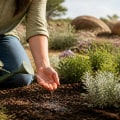
The first step in your assessment is to evaluate the soil type. Different native plants have varying soil preferences, ranging from sandy to clayey or loamy soils.To determine your soil type, you can conduct a simple test:
- Grab a handful of soil and moisten it slightly.
- Roll it into a ball: If it holds together well, you likely have clay soil; if it crumbles easily, you may have sandy soil.
- Observe the texture: Loamy soil will feel smooth and crumbly, ideal for most native plants.
Sunlight Exposure
Next, assess the sunlight exposure in your garden. Different native plants require varying amounts of sunlight:- Full sun: 6 or more hours of direct sunlight daily.
- Partial shade: 3 to 6 hours of sunlight.
- Full shade: Less than 3 hours of direct sunlight.
Climate Considerations
Your local climate plays a crucial role in determining which native plants will thrive. Factors such as temperature ranges, humidity levels, and rainfall patterns should be taken into account.Research the hardiness zone for your area, as this will guide you in selecting plants that can withstand local weather conditions. Additionally, consider any microclimates within your garden—areas that may be warmer or cooler than the surrounding environment due to structures or vegetation.By carefully assessing your garden's soil type, sunlight exposure, and climate considerations, you can make informed decisions about which native plants will flourish in your space. This thoughtful approach not only enhances the beauty of your garden but also supports local ecosystems by providing habitats for wildlife.
Researching Native Plant Species in Your Area
Choosing the right native plant species for your garden begins with understanding the local flora in your area. Each region has its unique ecosystem, and selecting plants that are native to your specific location can significantly enhance the health and sustainability of your garden.To start your research, consider the following steps:- Identify Your USDA Plant Hardiness Zone: Knowing your hardiness zone helps you understand which plants can thrive in your climate.
You can find this information on the USDA website or through local gardening centers.
- Explore Local Flora: Visit local parks, nature reserves, or botanical gardens to observe which native plants are thriving in your area. Take note of their growth habits, colors, and seasonal changes.
- Consult Regional Gardening Resources: Utilize resources such as local extension services, native plant societies, and gardening clubs. These organizations often provide valuable information on native species that are well-suited for your region.
- Use Online Databases: Websites like the USDA PLANTS Database and Lady Bird Johnson Wildflower Center offer extensive lists of native plants categorized by state and region.
By matching these conditions with the right species, you can create a flourishing habitat that supports local wildlife.Finally, don’t hesitate to reach out to local experts or join community forums focused on native plant gardening. Engaging with fellow gardeners can provide insights into successful planting strategies and maintenance tips tailored to your area.
Choosing the Right Native Plants for Different Garden Types
When it comes to native plant gardening, selecting the right plants for your specific garden type is crucial for creating a thriving ecosystem. Different garden styles can benefit from various native plants, each offering unique advantages.Flower Gardens
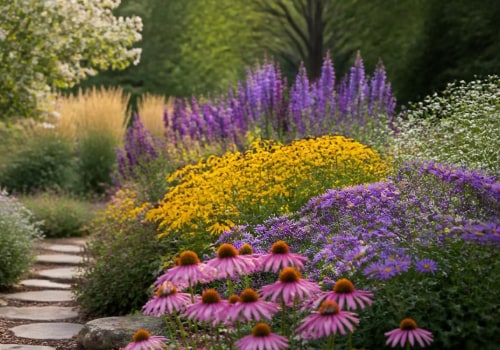
For flower gardens, consider incorporating a mix of perennials and annuals that bloom at different times throughout the growing season. Plants like coneflowers, black-eyed Susans, and milkweed not only provide vibrant colors but also attract pollinators such as bees and butterflies.Grouping these plants in clusters can create a stunning visual impact while enhancing biodiversity.
Vegetable Gardens
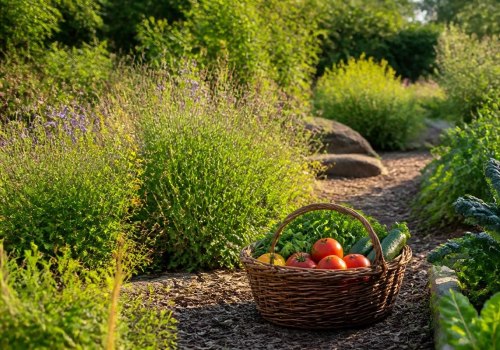
In vegetable gardens, native plants can serve as excellent companions. For instance, planting native herbs like oregano or thyme can deter pests and improve the health of your vegetables. Additionally, consider using native legumes, which can enrich the soil with nitrogen, benefiting your crops.Wildlife Gardens
If your goal is to create a wildlife garden, focus on native plants that provide food and shelter for local fauna. Species such as serviceberry, elderberry, and various native grasses can attract birds, butterflies, and beneficial insects.Incorporating water features or brush piles can further enhance the habitat.
Landscaping Ideas
When designing your landscape, think about layering your plants to create depth and interest. Use taller native plants at the back of borders and shorter ones in front. This not only maximizes space but also allows for better sunlight exposure. Consider creating themed areas within your garden, such as a pollinator patch or a shade garden with ferns and wildflowers.Ultimately, choosing the right native plants involves understanding your garden's specific conditions—such as soil type, sunlight exposure, and moisture levels—and selecting species that will thrive in those environments.By thoughtfully incorporating native plants into various garden types, you can create beautiful landscapes that support local ecosystems.
Creating a Biodiverse Garden with Native Plants
Creating a biodiverse garden is essential for promoting a healthy ecosystem, and native plant gardening plays a crucial role in this process. By incorporating a variety of native plants, you can enhance biodiversity, support local wildlife, and create a vibrant garden that thrives naturally.Companion planting
with native species is an effective strategy to maximize the benefits of your garden. Certain native plants can complement each other by improving soil health, deterring pests, and attracting beneficial insects. For example, planting coneflowers alongside black-eyed Susans not only creates a visually appealing display but also attracts pollinators like bees and butterflies, which are essential for the reproduction of many flowering plants.To further enhance biodiversity, consider incorporating plants that provide food and habitat for local wildlife.Native shrubs such as serviceberry and elderberry offer berries that attract birds, while flowering plants like milkweed serve as a host for monarch caterpillars. By selecting a mix of flowering plants, grasses, and shrubs, you can create layers in your garden that cater to various species.
Attracting wildlife
goes beyond just food sources; it also involves creating shelter and nesting sites. Dense plantings of native grasses can provide cover for small mammals and ground-nesting birds. Additionally, leaving some areas of your garden undisturbed allows for natural habitats to flourish, encouraging beneficial insects and other wildlife to take up residence.In summary, by focusing on biodiversity through the use of native plants, you can create a thriving ecosystem in your garden.Emphasizing companion planting, providing food and shelter for wildlife, and selecting a diverse array of native species will not only beautify your space but also contribute to the health of the environment.
Caring for Your Native Plant Garden
Caring for your native plant garden is essential to ensure that these plants thrive and contribute positively to the local ecosystem. Here are some practical tips to help you maintain a healthy and vibrant native garden.Watering Your Native Plants
While native plants are generally more drought-resistant than non-native species, they still require adequate moisture, especially during their establishment phase. Here are some watering tips:- Deep Watering: Water deeply but infrequently to encourage deep root growth. Aim for about 1 inch of water per week, either from rainfall or supplemental irrigation.
- Soil Check: Before watering, check the soil moisture by digging a small hole.
If the top inch of soil is dry, it’s time to water.
- Timing: Water early in the morning or late in the afternoon to minimize evaporation.
Fertilizing Native Plants
Most native plants thrive in low-nutrient soils and do not require heavy fertilization. However, if your soil is particularly poor, consider the following:- Organic Matter: Incorporate organic matter such as compost into the soil before planting to improve fertility.
- Slow-Release Fertilizers: If necessary, use a slow-release fertilizer specifically formulated for native plants, applying it sparingly.
- Avoid Over-Fertilization: Too much fertilizer can harm native plants and lead to excessive growth that may not be sustainable.
Pest Management
Native plants are often more resistant to pests and diseases than non-natives. However, monitoring and managing pests is still important:- Regular Inspections: Check your plants regularly for signs of pests or disease. Early detection can prevent larger infestations.
- Natural Predators: Encourage beneficial insects like ladybugs and lacewings that prey on harmful pests.
- Avoid Chemicals: Limit the use of chemical pesticides, as they can disrupt the local ecosystem and harm beneficial insects.
Common Mistakes to Avoid in Native Plant Gardening
When embarking on native plant gardening, it's essential to be aware of common mistakes that can hinder your success.Here are some pitfalls to avoid:
- Choosing the Wrong Plants: One of the most frequent errors is selecting native plants that are not suited for your specific region or soil type. Always research local species and their requirements to ensure they will thrive in your garden.
- Ignoring Sunlight and Water Needs: Native plants have varying needs for sunlight and moisture. Failing to consider these factors can lead to poor growth or plant death. Assess your garden's conditions and choose plants accordingly.
- Overcrowding Plants: While it may be tempting to fill every available space, overcrowding can lead to competition for resources, stunted growth, and increased susceptibility to pests and diseases.
Plan your layout carefully, allowing adequate space for each plant.
- Neglecting Soil Preparation: Even native plants require proper soil conditions to flourish. Skipping soil testing or amendments can result in poor drainage or nutrient deficiencies. Prepare your soil by testing its pH and nutrient levels before planting.
- Using Invasive Species: Some plants marketed as native may actually be invasive in certain areas. These species can outcompete true natives and disrupt local ecosystems.
Always verify the native status of a plant before introducing it to your garden.
- Failing to Maintain Your Garden: Native plants often require less maintenance than non-natives, but they still need care. Regularly check for weeds, pests, and diseases, and provide necessary water during dry spells.
Conclusion: Embracing Native Plant Gardening for a Sustainable Future
In conclusion, native plant gardening is not just a trend; it is a vital practice that contributes to the health of our ecosystems and the sustainability of our gardens. By choosing the right native plants, gardeners can create vibrant landscapes that support local wildlife, reduce water usage, and minimize the need for chemical fertilizers and pesticides.Throughout this article, we have explored various aspects of selecting native plants, including understanding your local climate, soil conditions, and the specific needs of your garden space. It is essential to consider these factors to ensure that the plants you choose will thrive in their environment.- Support Local Wildlife: Native plants provide food and habitat for birds, butterflies, and other beneficial insects.
By incorporating these species into your garden, you help maintain biodiversity.
- Reduce Maintenance: Native plants are adapted to local conditions, which means they typically require less water and care than non-native species. This can lead to a more sustainable gardening practice.
- Enhance Aesthetics: Native plants offer unique beauty and seasonal interest, allowing you to create a garden that is not only functional but also visually appealing.
So take the time to research and select the right native species for your area, and enjoy the myriad benefits they bring.