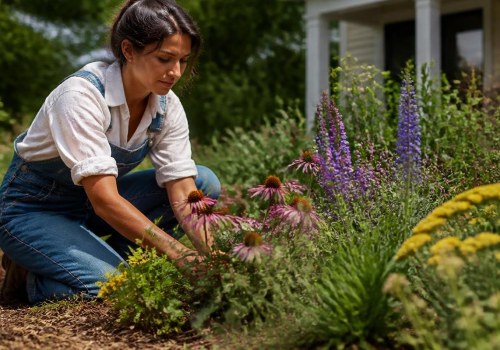
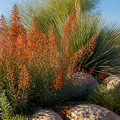
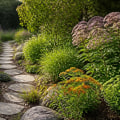
Native plants are species that have evolved in a specific region and have adapted to the local climate, soil, and wildlife. These plants play a crucial role in maintaining ecological balance, providing habitat for native wildlife, and supporting biodiversity. Understanding the unique growth habits of native plants is essential for anyone interested in native plant gardening, as it directly influences how we approach their care, including pruning and trimming techniques. Each native plant species has its own growth patterns, including how they respond to seasonal changes and their overall life cycle. For instance, some native plants may thrive with minimal intervention, while others may require regular pruning to promote healthy growth and flowering.
By observing these growth habits, gardeners can make informed decisions about when and how to prune, ensuring that they enhance the plant's natural beauty without compromising its health. Moreover, understanding the ecological relationships that native plants have with local fauna can guide gardeners in creating a thriving ecosystem. For example, certain native plants attract pollinators or provide food for birds, making it vital to consider these interactions when planning pruning schedules. By aligning gardening practices with the natural behaviors of these plants, enthusiasts can foster a more sustainable garden that not only looks beautiful but also supports local wildlife.
The Importance of Pruning in Native Plant Gardening
Pruning is a vital practice in native plant gardening that significantly contributes to the overall health and aesthetics of your garden. By removing dead or diseased branches, you not only enhance the appearance of your plants but also promote better air circulation and light penetration, which are essential for healthy growth.One of the primary benefits of pruning native plants is the encouragement of new growth.When you trim back overgrown branches, you stimulate the plant to produce fresh shoots, leading to a more vigorous and lush appearance. This is particularly important for native species that may have adapted to specific environmental conditions and require careful management to thrive.
Improved Disease Resistance
Another significant advantage of pruning is its role in disease prevention. By regularly inspecting and removing any infected or damaged parts of the plant, you can minimize the risk of diseases spreading throughout your garden. Native plants are often more resilient to local pests and diseases, but they can still be vulnerable if not properly maintained.Enhanced Aesthetics
In addition to health benefits, pruning also plays a crucial role in maintaining the visual appeal of your native garden.A well-pruned plant can showcase its natural form and beauty, allowing it to blend harmoniously with other elements in your landscape. This is especially important in native plant gardening, where the goal is often to create a space that reflects the local ecosystem.
- Encourages new growth
- Improves air circulation
- Prevents disease spread
- Enhances visual appeal
When to Prune Native Plants: Timing is Key
Understanding when to prune native plants is crucial for promoting healthy growth and ensuring vibrant blooms. The timing of pruning can significantly affect the plant's overall health and flowering potential.Here are some key considerations:
Spring Pruning
For many native plants, the best time to prune is in early spring, just before new growth begins. This timing allows you to remove any dead or damaged branches while encouraging fresh growth. Plants such as native shrubs and perennials benefit from this approach, as it helps shape the plant and promotes a fuller appearance.Summer Pruning
Some native plants may require light pruning during the summer months, particularly those that bloom in late summer or fall. This technique can help control size and remove spent flowers, which encourages further blooming.However, be cautious not to prune too aggressively during this time, as it can stress the plant.
Fall Pruning
In general, fall is not the ideal time for pruning most native plants. Pruning in late fall can expose plants to winter damage and inhibit their ability to withstand cold temperatures. However, if you notice any diseased or dead branches, it’s advisable to remove them to prevent further issues.Winter Pruning
Winter is often considered a dormant period for many native plants, making it a suitable time for structural pruning. This is particularly true for deciduous species that have lost their leaves.Pruning during this time allows for better visibility of the plant's structure and can help you make more informed decisions about which branches to remove.
Seasonal pruning tips
include:- Assess growth patterns: Different native plants have unique growth cycles; understanding these will guide your pruning schedule.
- Avoid heavy pruning: Especially in late summer or fall, as this can hinder the plant's ability to prepare for winter.
- Use clean tools: Always ensure your pruning tools are sharp and sanitized to prevent disease transmission.
Pruning Techniques for Different Types of Native Plants
Pruning is an essential practice in native plant gardening, as it helps maintain the health and aesthetics of various native species. Different types of native plants require specific pruning techniques to thrive.Pruning Techniques for Native Shrubs
Native shrubs, such as serviceberry and witch hazel, benefit from selective pruning. Here are some effective techniques:- Thinning: Remove older stems at the base to encourage new growth and improve air circulation.
- Deadheading: Cut off spent flowers to promote further blooming and prevent seed formation.
- Shaping: Trim back overgrown branches to maintain a desired shape and size, ideally after flowering.
Pruning Techniques for Native Trees
When it comes to native trees like red maple or oak, proper pruning is crucial for structural integrity:- Crown Cleaning: Remove dead, damaged, or diseased branches to enhance tree health.
- Crown Raising: Trim lower branches to allow more light to reach the ground and improve visibility.
- Crown Reduction: Reduce the height or spread of the tree by cutting back the outer branches, ensuring cuts are made just above a lateral branch.
Pruning Techniques for Native Perennials
Native perennials, such as coneflowers and black-eyed Susans, require different approaches:- Cutting Back: In late fall or early spring, cut back dead stems to encourage new growth.
- Division: Every few years, divide clumps of perennials to rejuvenate them and promote healthier blooms.
- Pest Management: Regularly inspect for pests and prune affected areas to prevent infestations from spreading.
Tools and Equipment for Pruning Native Plants
When it comes to pruning native plants, having the right tools and equipment is essential for achieving optimal results. The choice of tools can significantly impact the health and appearance of your garden.Here are some key tools you should consider:
- Hand Pruners: These are ideal for small branches and delicate stems. Look for a pair with a sharp blade and a comfortable grip to reduce hand fatigue.
- Loppers: For thicker branches, loppers provide the leverage needed to make clean cuts. Choose loppers with a bypass blade for better precision.
- Saws: A pruning saw is necessary for larger branches that cannot be handled by hand pruners or loppers. A folding saw is a great option for portability.
- Hedge Shears: If you have native shrubs that require shaping, hedge shears can help maintain their form while promoting healthy growth.
- Gloves: Protect your hands from thorns and rough branches with a sturdy pair of gardening gloves.
- Tool Belt or Apron: Keeping your tools organized and within reach can make the pruning process more efficient.
- Garden Kneeler: This can help reduce strain on your knees and back while working at ground level.
For instance, if you are pruning flowering shrubs, opt for tools that minimize damage to buds. Always ensure your tools are clean and sharp to promote healthy cuts and prevent disease transmission among plants. By investing in the right equipment for native plant gardening, you can ensure that your pruning efforts contribute positively to the growth and sustainability of your garden.
Common Mistakes to Avoid When Pruning Native Plants
Pruning native plants can be a rewarding endeavor, but it’s essential to avoid common mistakes that can hinder their growth and health. Here are some frequent errors gardeners make when pruning native plants, along with tips on how to steer clear of these pitfalls.- Pruning at the Wrong Time: One of the most significant mistakes is pruning at an inappropriate time of year. Many native plants have specific growth cycles, and pruning them during their active growth phase can lead to stress or even death.
Always research the best time to prune your specific native species, typically during dormancy in late winter or early spring.
- Over-Pruning: Another common error is removing too much foliage or cutting back too aggressively. Native plants often thrive with minimal intervention. Aim to remove only dead or diseased branches and thin out crowded areas to promote airflow. A good rule of thumb is to never remove more than one-third of the plant at a time.
- Ignoring Plant Structure: Failing to consider the natural shape and growth habit of the plant can lead to unnatural appearances and poor health.
When pruning, maintain the plant's natural form by selectively removing branches that disrupt its silhouette rather than hacking away indiscriminately.
- Using Dull Tools: Pruning with dull tools can cause jagged cuts that invite disease. Always use sharp, clean tools to ensure smooth cuts that promote healing. Regularly sharpen your pruners and disinfect them between uses to prevent the spread of pathogens.
- Neglecting Safety Precautions: Safety should never be overlooked. When pruning larger native plants or trees, use proper safety gear such as gloves and goggles, and consider using a ladder for higher branches.
If you’re unsure about your ability to prune safely, don’t hesitate to consult a professional.
FAQs About Pruning Native Plants
Pruning native plants can seem daunting, but understanding a few key techniques can make the process easier and more effective. Here are some frequently asked questions about pruning and trimming native plants:- What is the best time to prune native plants? Most native plants benefit from pruning in late winter or early spring before new growth begins. This timing allows you to shape the plant while minimizing stress and promoting healthy growth.
- How much should I prune? A general rule of thumb is to remove no more than one-third of the plant at a time.
This helps maintain the plant's health and encourages robust regrowth.
- Should I deadhead my native plants? Yes, deadheading—removing spent flowers—can encourage further blooming and prevent the plant from expending energy on seed production. This is particularly beneficial for flowering natives like coneflowers and black-eyed Susans.
- Are there specific techniques for different types of native plants? Absolutely! For example, woody shrubs may require more structural pruning to maintain shape, while herbaceous perennials often benefit from simple cutting back to ground level in the fall or spring.
- Can I use regular garden tools for pruning? While standard garden shears can work, using specialized tools like bypass pruners or saw blades can provide cleaner cuts, which are essential for the health of your native plants.
Conclusion: Embracing Pruning for Thriving Native Gardens
In conclusion, pruning and trimming techniques are essential practices for anyone engaged in native plant gardening. By understanding the specific needs of native plants, gardeners can enhance their growth, promote blooming, and maintain the overall health of their gardens.Throughout this article, we have explored various methods tailored to different types of native plants.Here are some key takeaways:
- Timing is crucial: Pruning at the right time of year can significantly impact the health and flowering of native plants. For instance, many flowering species benefit from pruning immediately after they bloom.
- Know your plants: Each native species has unique growth habits and requirements. Familiarizing yourself with these characteristics will help you determine the best pruning techniques.
- Use proper tools: Sharp, clean tools are vital for making precise cuts that minimize damage to the plant. This practice not only promotes healing but also reduces the risk of disease.
- Aim for shape and structure: Regular pruning helps maintain a desirable shape and encourages bushier growth, which can enhance the aesthetic appeal of your garden.
- Encourage biodiversity: Pruning can stimulate new growth that attracts pollinators and other beneficial wildlife, contributing to a thriving ecosystem.
Remember, a well-maintained garden is a reflection of the care and knowledge invested in it. Happy gardening!.