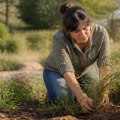
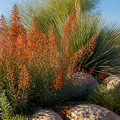
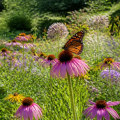
Native plant gardening is a practice that emphasizes the use of plants indigenous to a specific region, fostering a landscape that is not only beautiful but also ecologically beneficial. By choosing native plants, gardeners can create habitats that support local wildlife, including birds, butterflies, and beneficial insects. This approach not only enhances the aesthetic appeal of gardens but also plays a crucial role in promoting biodiversity. As native species are adapted to local soil, climate, and wildlife, they require less water and fewer chemical inputs, making them a sustainable choice for environmentally conscious gardeners. The benefits of native plant gardening extend beyond individual gardens; they contribute to the health of entire ecosystems.
Native plants help maintain soil integrity, reduce erosion, and improve water quality by filtering pollutants. Furthermore, they provide essential food sources and shelter for various species, creating a balanced ecosystem that thrives on natural interactions. In an era where biodiversity is increasingly threatened by urbanization and climate change, native plant gardens serve as vital refuges for many species. As we explore the question of incorporating non-native plants into a native plant garden, it is essential to understand the foundational principles of native gardening. While non-native plants can offer unique aesthetic qualities or fulfill specific gardening needs, their impact on local ecosystems can be complex.
This discussion will delve into how to balance the beauty and diversity of your garden while remaining mindful of its ecological responsibilities.
The Role of Non-Native Plants in Ecosystems
When considering native plant gardening, the inclusion of non-native plants can evoke mixed feelings among gardeners and ecologists alike. Understanding the role of these species in ecosystems is crucial for making informed decisions.Non-native plants
, often referred to as exotic or alien species, are those that have been introduced to an area outside their natural range. While some may view them as detrimental, they can also offer certain benefits:- Increased Biodiversity: Non-native plants can contribute to biodiversity by providing additional food sources and habitats for various wildlife, especially in areas where native flora has been depleted.
- Soil Improvement: Certain non-native species can enhance soil quality by fixing nitrogen or improving soil structure, which can benefit surrounding native plants.
- Aesthetic Appeal: Many gardeners appreciate the unique colors and forms of non-native plants, which can enhance the visual diversity of a garden.
- Competition with Native Species: Non-native plants can outcompete native flora for resources such as light, water, and nutrients, potentially leading to declines in native populations.
- Pest and Disease Introduction: Some non-native plants may harbor pests or diseases that can spread to native species, disrupting local ecological balance.
- Alteration of Ecosystem Functions: The presence of non-native species can change soil chemistry and hydrology, affecting the overall health of the ecosystem.
Gardeners should carefully consider the implications of incorporating these species into their native plant gardens, striving for a balance that supports ecological integrity while enjoying the beauty that diverse plant life offers.
Benefits of Incorporating Non-Native Plants
Incorporating non-native plants into a native plant garden can offer several benefits that enhance both the aesthetic appeal and ecological function of the space. While native plants are crucial for supporting local wildlife and maintaining regional biodiversity, non-native species can complement these efforts in various ways.Aesthetic Diversity
One of the most immediate advantages of adding non-native plants is the aesthetic diversity they bring to a garden. With a wider range of colors, shapes, and sizes, non-native plants can create visual interest and extend the blooming season. For instance, incorporating non-native flowering plants like lavender or salvia can provide vibrant colors and fragrances that attract visitors while still harmonizing with native species.Attracting Different Pollinators
Non-native plants can also play a significant role in attracting a variety of pollinators.While native plants are essential for local pollinator species, certain non-natives can draw in additional insects, birds, and even bats that may not be as attracted to native flora. This increased diversity of pollinators can enhance the overall health of your garden ecosystem.
Enhancing Garden Resilience
Another compelling reason to consider non-native plants is their potential to enhance garden resilience. Some non-native species are particularly well-suited to withstand changing climate conditions, pests, or diseases that may threaten native plants. By strategically incorporating these resilient species, gardeners can create a more robust ecosystem that is better equipped to handle environmental stressors.- Aesthetic Appeal: Non-natives can provide unique colors and textures.
- Diverse Pollinator Attraction: They can attract a wider range of pollinators.
- Increased Resilience: Non-natives may offer greater adaptability to climate changes.
By carefully choosing non-natives that complement your native plant selections, you can create a thriving garden that supports both local wildlife and your personal aesthetic preferences.
Challenges and Risks of Non-Native Plants
Incorporating non-native plants into a native plant garden can present several challenges and risks that gardeners should carefully consider. While some non-native species may offer aesthetic appeal or unique characteristics, their potential to disrupt local ecosystems cannot be overlooked.Invasive Species
- One of the primary concerns with non-native plants is their ability to become invasive species. These are plants that, when introduced to a new environment, can spread rapidly and outcompete native flora for resources such as sunlight, water, and nutrients.
- Invasive species often lack natural predators in their new environment, allowing them to proliferate unchecked. This can lead to a significant decline in native plant populations, which are crucial for maintaining local biodiversity.
Ecological Impact
- The introduction of non-native plants can alter the ecological balance of an area.
For instance, they may change soil chemistry or disrupt the relationships between native plants and local wildlife.
- Many native animals rely on specific plants for food and habitat. When non-native plants dominate, they can displace these essential resources, leading to declines in local wildlife populations.
- Furthermore, non-native plants may introduce diseases or pests that can affect both native species and agricultural crops, compounding the ecological impact.
Best Practices for Integrating Non-Native Plants
Integrating non-native plants into a native plant garden can be a rewarding endeavor when done thoughtfully. Here are some best practices to ensure that your gardening efforts remain sustainable and beneficial to the local ecosystem.- Choose Non-Invasive Species: When selecting non-native plants, prioritize those that are non-invasive.
Invasive species can outcompete native plants for resources, disrupting local ecosystems. Research and consult local gardening resources to identify suitable options.
- Focus on Complementary Plants: Look for non-native plants that complement the native species in your garden. For example, choose plants that attract similar pollinators or provide habitat for local wildlife. This can enhance biodiversity while maintaining the garden's ecological integrity.
- Limit the Number of Non-Native Plants: To maintain a balance, limit the proportion of non-native plants in your garden.
A good rule of thumb is to keep non-natives to no more than 20% of your total plantings. This helps ensure that native species remain dominant and continue to thrive.
- Monitor Growth and Impact: Regularly assess how the non-native plants are interacting with the native ones. Watch for any signs of competition or negative impact on local wildlife. If you notice any adverse effects, be prepared to remove or relocate the non-native plants.
- Educate Yourself: Stay informed about sustainable gardening practices and the specific needs of both native and non-native plants.
Joining local gardening clubs or online forums can provide valuable insights and support from fellow gardeners.
Case Studies: Successful Native and Non-Native Plant Combinations
Integrating non-native plants into a native plant garden can yield stunning results, as demonstrated by several successful case studies. These examples showcase how thoughtful combinations can enhance biodiversity while maintaining the ecological integrity of the garden.Case Study 1: The Urban Oasis
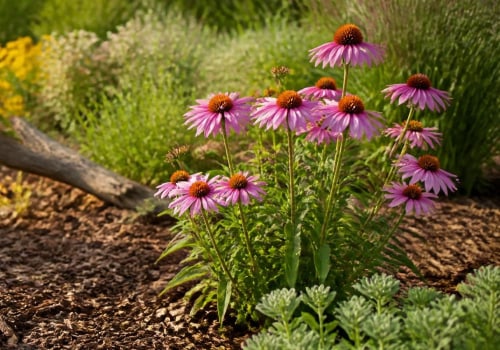
In a bustling urban environment, a community garden in Chicago successfully combined native species like purple coneflower (Echinacea purpurea) with non-native lavender (Lavandula angustifolia). The lavender not only attracted pollinators but also provided a fragrant contrast to the native blooms.Gardeners noted an increase in bee activity, demonstrating that non-native plants can complement native species without overwhelming them.
Case Study 2: Coastal Harmony
A coastal garden in California featured a mix of native beach strawberry (Fragaria chiloensis) and non-native ice plant (Carpobrotus edulis). While the ice plant is often considered invasive, in this case, it was managed effectively to prevent spread. The combination created a vibrant ground cover that stabilized the sandy soil and provided habitat for local wildlife.Case Study 3: Suburban Synergy
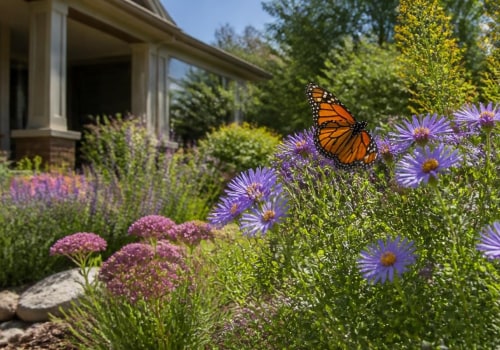
A suburban homeowner in New Jersey integrated native black-eyed Susans (The homeowner reported that the daylilies thrived alongside the black-eyed Susans, creating a visually appealing and ecologically beneficial landscape.These case studies illustrate that with careful planning and management, non-native plants can coexist harmoniously with native species. By selecting non-invasive varieties and monitoring their growth, gardeners can create diverse ecosystems that support local wildlife while enjoying the aesthetic benefits of varied plant life.
Frequently Asked Questions about Native Plant Gardening and Non-Native Plants
Integrating non-native plants into a native plant garden can be a topic of debate among gardeners. Here are some common questions and answers to help clarify this issue.- Can I plant non-native species in my native garden?
Yes, you can incorporate non-native plants, but it’s essential to choose species that are non-invasive and compatible with the local ecosystem. Non-native plants that provide similar benefits to native species, such as attracting pollinators or providing food for local wildlife, can be beneficial. - What are the risks of using non-native plants?
Non-native plants can sometimes become invasive, outcompeting native species for resources and disrupting local ecosystems.It’s crucial to research any non-native plant before introducing it to your garden.
- How do I choose the right non-native plants?
Look for non-native plants that are known to coexist well with native species. Consider their growth habits, water needs, and potential impact on local wildlife. Consulting with local gardening experts or extension services can provide valuable insights. - Are there benefits to including non-native plants?
Non-native plants can offer aesthetic diversity and may thrive in conditions where native plants struggle. Additionally, some non-natives can attract beneficial insects or provide seasonal interest.
By carefully selecting non-native plants that complement your native garden, you can create a vibrant and diverse landscape while supporting local biodiversity.
Conclusion: Finding Balance in Your Garden Design
Incorporating non-native plants into a native plant garden can be a delicate balancing act. As we have explored throughout this article, native plant gardening offers numerous ecological benefits, including supporting local wildlife and promoting biodiversity. However, the introduction of non-native species can sometimes enhance the aesthetic appeal and provide additional benefits, such as extended blooming periods or unique textures.To achieve a harmonious garden design, it is essential to consider the following:- Compatibility: Choose non-native plants that are compatible with the local ecosystem. Look for species that do not aggressively compete with native plants for resources.
- Ecological Impact: Assess the potential ecological impact of introducing non-native plants.
Some species may become invasive, outcompeting native flora and disrupting local habitats.
- Aesthetic Cohesion: Ensure that the non-native plants complement the overall design and color palette of your native garden. This can create a visually appealing landscape while maintaining ecological integrity.
Embrace the beauty of both native and non-native plants while remaining mindful of their interactions within your garden's ecosystem. With thoughtful planning and consideration, you can cultivate a vibrant and diverse landscape that benefits both you and the environment.