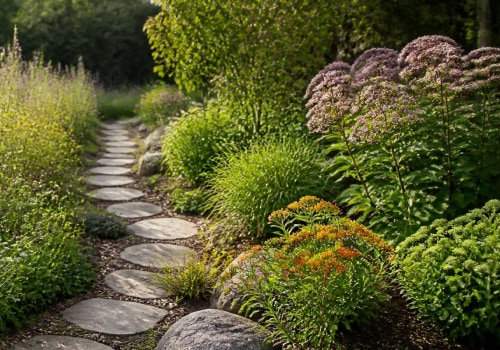
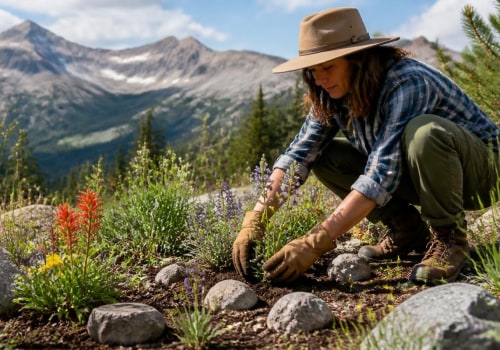
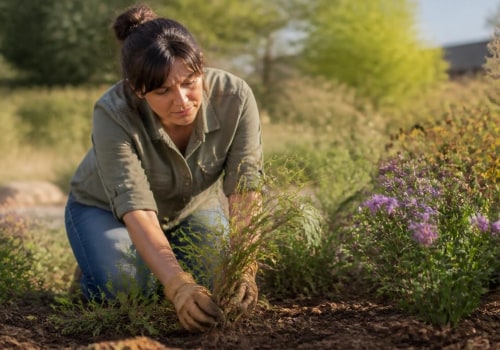
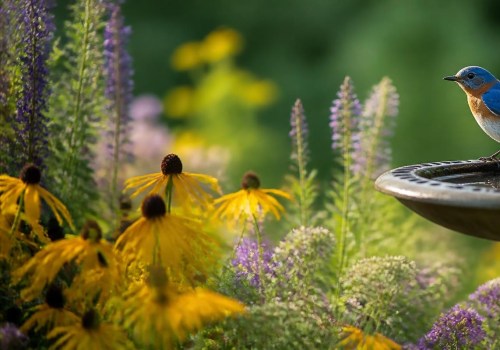
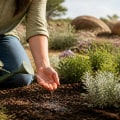
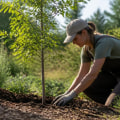
Native plant gardening is a practice that involves cultivating plants that are indigenous to a specific region. These plants have evolved over thousands of years to adapt to the local climate, soil, and wildlife, making them uniquely suited for their environment. By focusing on gardening with native species, gardeners can create landscapes that not only thrive with minimal maintenance but also support local ecosystems. This approach contrasts sharply with traditional gardening methods that often rely on non-native species, which can disrupt local habitats and require more resources to maintain. The significance of native plant gardening extends beyond aesthetics; it plays a crucial role in environmental conservation.
Native plants provide essential habitats for local wildlife, including birds, insects, and other pollinators. By incorporating these plants into our gardens, we can help sustain biodiversity and promote healthier ecosystems. Furthermore, native plants are typically more resilient to pests and diseases, reducing the need for chemical pesticides and fertilizers that can harm the environment. In addition to supporting wildlife, the benefits of native plants include improved soil health and water conservation. Native species are adapted to local soil conditions and rainfall patterns, which means they often require less water than non-native varieties once established.
This not only conserves water but also reduces the strain on local water resources. As we face increasing environmental challenges such as climate change and habitat loss, embracing native plant gardening emerges as a vital strategy for fostering a sustainable future.
Enhancing Biodiversity Through Native Plants
Native plant gardening plays a crucial role in enhancing biodiversity within local ecosystems. By incorporating plants that are indigenous to a specific region, gardeners can create environments that support a wide variety of wildlife, including birds, insects, and other animals that rely on these native species for food and shelter.One of the primary benefits of using native plants is their ability to provide essential habitats. Many local wildlife species have evolved alongside these plants, developing specific relationships that are vital for their survival.For instance, certain butterflies depend on particular native plants for their larvae to feed on, while birds may rely on native shrubs for nesting materials and protection from predators.
- Food Sources: Native plants produce seeds, fruits, and nectar that are crucial food sources for various wildlife species.
- Nesting Sites: Many native shrubs and trees offer ideal locations for birds to build their nests, ensuring safe environments for raising their young.
- Pollinator Support: Native flowering plants attract pollinators such as bees and butterflies, which are essential for the reproduction of many plant species.
By fostering these natural connections, gardeners contribute to healthier ecosystems that benefit both nature and humanity.
Soil Health and Native Plant Gardening
Native plant gardening plays a vital role in enhancing soil health, which is essential for sustainable gardening practices. By incorporating native plants into your garden, you can significantly improve the quality of the soil and its ability to support diverse ecosystems.One of the primary benefits of native plants is their deep root systems. These roots penetrate the soil more effectively than many non-native species, helping to:- Improve soil structure: The extensive root networks create channels in the soil, allowing air and water to penetrate more easily.
- Enhance nutrient cycling: Native plants contribute organic matter through leaf litter and decaying roots, enriching the soil with essential nutrients.
- Increase microbial activity: A healthy population of soil microbes thrives in environments enriched by native plants, promoting further nutrient availability.
This is especially important in areas prone to erosion, where maintaining soil integrity is crucial for both plant health and local waterways.In addition to erosion control, native plants also enhance water retention. Their natural adaptations allow them to thrive in local climates, often requiring less water than non-native species. This not only conserves water but also helps maintain moisture levels in the soil, benefiting other plants and organisms within the ecosystem.In summary, engaging in native plant gardening not only beautifies your landscape but also fosters healthier soils. By improving soil quality, preventing erosion, and enhancing water retention, native plants contribute significantly to a sustainable gardening approach that benefits both the environment and local biodiversity.
Water Conservation Benefits of Native Plant Gardening
Native plant gardening plays a crucial role in water conservation, particularly in regions prone to drought.These plants have evolved over time to thrive in their local environments, making them inherently more drought-resistant compared to non-native species. By choosing native plants for your garden, you can significantly reduce the amount of water needed for maintenance.One of the primary reasons native plants require less water is their deep root systems. Unlike many non-native plants that have shallow roots and depend heavily on regular watering, native plants can access moisture stored deeper in the soil. This adaptation allows them to survive prolonged dry spells without additional irrigation.Moreover, native plants are well-suited to local rainfall patterns, meaning they can flourish with minimal intervention.
This not only conserves water but also reduces the need for chemical fertilizers and pesticides, which can further strain local water resources.
- Reduced Irrigation Needs: Native plants typically require less frequent watering once established, making them ideal for sustainable gardening practices.
- Soil Health: The deep roots of native plants help improve soil structure and health, allowing for better water retention and reducing runoff.
- Biodiversity Support: By planting native species, you create a habitat that supports local wildlife, which can contribute to a balanced ecosystem that naturally manages water resources.
Reducing Chemical Use with Native Plants
One of the most significant benefits of native plant gardening is its ability to reduce the reliance on chemical fertilizers and pesticides. Native plants are well-adapted to the local environment, which means they are more resilient to pests and diseases compared to non-native species. This natural resilience allows gardeners to minimize or even eliminate the use of harmful chemicals that can adversely affect both human health and the ecosystem.By choosing native plants, gardeners can create a balanced ecosystem that supports beneficial insects, such as pollinators and predatory insects that keep pest populations in check.For instance, planting native flowers can attract bees and butterflies, which not only enhance the beauty of the garden but also contribute to the pollination of other plants. This natural pest control reduces the need for synthetic pesticides, promoting a more organic gardening approach.Moreover, native plants typically require less water and fewer nutrients than their non-native counterparts. This means that gardeners can often forgo chemical fertilizers that can leach into waterways and cause pollution. By fostering a garden that thrives on natural rainfall and local soil conditions, chemical-free gardening becomes a feasible reality.In addition to reducing chemical use, native plant gardening encourages biodiversity.
A diverse garden is less susceptible to disease outbreaks and pest infestations, further decreasing the need for chemical interventions. By cultivating a variety of native species, gardeners can create habitats that support a wide range of wildlife, contributing to a healthier environment overall.In summary, native plant gardening not only enhances the beauty of our landscapes but also plays a crucial role in minimizing chemical use. By embracing these plants, we can foster healthier ecosystems while enjoying the many benefits they provide.
Creating Sustainable Landscapes with Native Plants
Incorporating native plant gardening into your landscape design is a powerful way to create sustainable landscapes that benefit both the environment and the homeowner. Native plants are adapted to local climates and soils, which means they require less water, fewer fertilizers, and minimal maintenance compared to non-native species.This not only reduces the environmental impact of gardening but also lowers the time and resources needed for upkeep.One of the key benefits of sustainable gardens is their ability to enhance biodiversity. Native plants provide essential habitats for local wildlife, including birds, butterflies, and beneficial insects. By creating a garden that supports these species, you contribute to a healthier ecosystem. For instance, many native plants are host species for caterpillars, which are crucial for the life cycles of butterflies.Moreover, native plants are more resilient to climate change.
They have evolved to withstand local weather patterns, making them less susceptible to droughts and floods. This resilience means that gardens filled with native flora can thrive even as climate conditions shift, reducing the need for irrigation and chemical interventions.Here are some eco-friendly landscaping ideas that incorporate native plants:
- Rain Gardens: Design a rain garden using native plants to manage stormwater runoff effectively.
- Pollinator Gardens: Create a space specifically for attracting pollinators by planting a variety of native flowering species.
- Wildflower Meadows: Replace traditional lawns with wildflower meadows that require less mowing and provide habitat for wildlife.
Community Engagement and Education Through Native Plant Gardening
Native plant gardening serves as a powerful tool for community engagement and education, fostering a deeper connection between individuals and their local ecosystems. By participating in native plant gardening initiatives, community members can come together to learn about the unique flora of their region, promoting a sense of stewardship and responsibility towards the environment.Community gardening benefits
extend beyond the mere act of planting.These initiatives often create spaces where people can gather, share knowledge, and collaborate on projects that enhance local biodiversity. For instance, community gardens that focus on native plants can serve as living classrooms, where workshops and events educate participants about the importance of native species in supporting local wildlife, such as pollinators and birds.
- Workshops and Events: Organizing workshops on topics like seed saving, plant identification, and sustainable gardening practices can empower community members with the skills they need to cultivate their own native gardens.
- Volunteer Opportunities: Engaging volunteers in planting days or maintenance activities fosters teamwork and strengthens community bonds while enhancing local green spaces.
- School Programs: Collaborating with local schools to incorporate native plant gardening into science curricula can inspire the next generation to appreciate and protect their natural surroundings.
As individuals work together to create vibrant landscapes filled with native flora, they develop a shared commitment to preserving their natural heritage for future generations.
FAQs About Native Plant Gardening and Its Environmental Impact
Native plant gardening is often surrounded by questions and misconceptions. Here, we address some of the most frequently asked questions to shed light on its environmental impact.What are the environmental benefits of native plant gardening?
Native plants are adapted to local climates and soils, which means they require less water and fewer chemical inputs compared to non-native species. This leads to:- Reduced water usage: Native plants are drought-resistant and thrive on local rainfall.
- Lower maintenance: They typically require less pruning, fertilizing, and pest control.
- Enhanced biodiversity: Native gardens support local wildlife, including pollinators like bees and butterflies, which are crucial for ecosystem health.
Are native plants more beneficial than non-native plants?
Yes, native plants play a vital role in maintaining the ecological balance. They provide food and habitat for local wildlife, while non-native plants can sometimes disrupt local ecosystems by outcompeting native species.This can lead to a decline in biodiversity.
What are some common misconceptions about native plant gardening?
- Misconception 1: Native plants are unattractive. In reality, many native species offer stunning blooms and diverse textures that can enhance any garden.
- Misconception 2: Native gardening is messy. While some native plants may have a more natural look, they can be designed into beautiful landscapes with proper planning.
Conclusion: The Lasting Impact of Native Plant Gardening on Our Environment
In conclusion, native plant gardening emerges as a powerful tool for enhancing environmental health and biodiversity. By choosing plants that are indigenous to our region, gardeners can create ecosystems that support local wildlife, including pollinators like bees and butterflies, which are crucial for food production and maintaining healthy habitats.Throughout this article, we have explored several key benefits of native plant gardening.These include:
- Water Conservation: Native plants are adapted to local climate conditions, requiring less water than non-native species. This not only conserves water but also reduces the need for irrigation.
- Soil Health: The deep root systems of many native plants improve soil structure and fertility, promoting healthier ecosystems.
- Pest Management: Native plants attract beneficial insects that help control pest populations naturally, reducing the need for chemical pesticides.
- Biodiversity Support: By planting native species, gardeners contribute to the preservation of local flora and fauna, fostering a rich biodiversity that is essential for ecological balance.
Therefore, we encourage you to consider incorporating native plants into your gardening efforts and join the movement towards a greener environment.