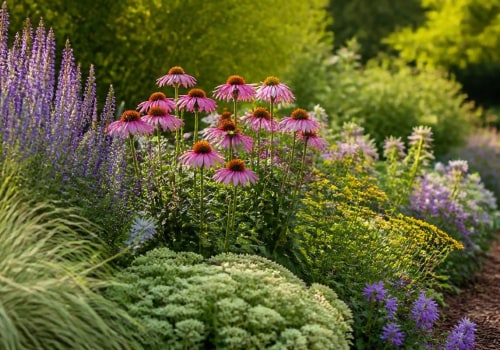
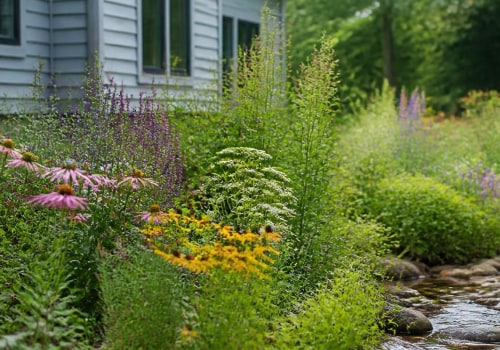
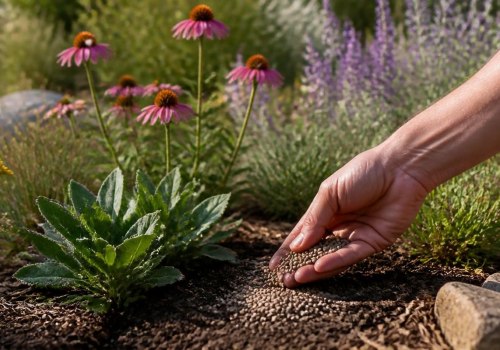
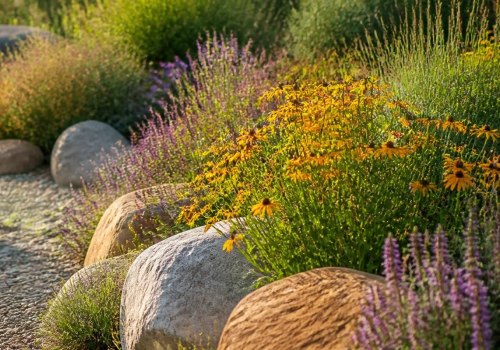
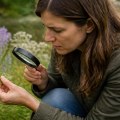
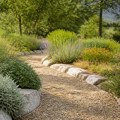
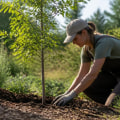
Native plant gardening is a practice that focuses on cultivating plants that are indigenous to a specific region. These plants have evolved over thousands of years to adapt to the local climate, soil, and wildlife, making them uniquely suited for their environment. By choosing native species for your garden, you not only create a beautiful landscape but also contribute to the health of the local ecosystem. This approach contrasts sharply with traditional gardening methods that often rely on non-native species, which can disrupt local habitats and require more resources to maintain. The benefits of native plants extend beyond aesthetics.
Native plants are typically more resilient to local pests and diseases, reducing the need for chemical pesticides and fertilizers. They also require less water and maintenance once established, making them an eco-friendly choice for gardeners looking to minimize their environmental impact. Furthermore, native plants provide essential habitats and food sources for local wildlife, including birds, butterflies, and beneficial insects, fostering biodiversity in your garden. Understanding the basics of gardening with native plants is crucial for anyone interested in this sustainable practice. It involves selecting the right species for your specific region and understanding their growth habits and requirements.
By incorporating native plants into your garden, you can create a thriving ecosystem that not only enhances your outdoor space but also supports the natural world around you. As we delve deeper into the topic of native plant gardening, we will explore practical tips and strategies to help you get started on this rewarding journey.
Ecological Benefits of Native Plant Gardening
Native plant gardening plays a crucial role in supporting local ecosystems and enhancing biodiversity. By incorporating plants that are indigenous to a specific region, gardeners can create environments that are more resilient and self-sustaining. These plants have evolved alongside local wildlife, making them essential for maintaining the delicate balance of the ecosystem.One of the primary ecological benefits
of native plants is their ability to provide food and shelter for various species.Native flowers, shrubs, and trees offer nectar, pollen, and seeds that attract pollinators such as bees, butterflies, and birds. For instance, the milkweed plant is vital for the survival of monarch butterflies, while sunflowers provide seeds for many bird species.Moreover, native plants contribute to habitat restoration. As urbanization and agricultural practices continue to encroach on natural landscapes, many native species have become endangered or extinct. By planting native species in gardens, individuals can help restore these habitats, providing a refuge for wildlife that has lost its natural environment.
This restoration not only benefits individual species but also promotes overall ecosystem health.
- Improved Soil Health: Native plants often have deep root systems that improve soil structure and prevent erosion.
- Water Conservation: These plants are adapted to local climate conditions, requiring less water than non-native species.
- Pest Control: Native plants can reduce the need for chemical pesticides by attracting beneficial insects that prey on harmful pests.
Economic Advantages of Native Plant Gardening
Native plant gardening offers significant economic advantages that extend beyond mere aesthetics. By incorporating native plants into landscapes, homeowners and communities can experience substantial cost savings in various areas.Cost-Effective Gardening- Reduced Maintenance Costs: Native plants are adapted to local climates and soils, requiring less water, fertilizer, and pesticides compared to non-native species. This leads to lower maintenance costs over time.
- Water Conservation: Many native plants are drought-resistant, which can significantly reduce water bills, especially in regions prone to drought.
This not only saves money but also conserves a vital resource.
- Increased Tourism: Areas that showcase native plant gardens often attract tourists interested in eco-tourism and sustainable practices. This influx can benefit local businesses, from restaurants to shops.
- Support for Local Nurseries: The rise in popularity of native plants encourages local nurseries to stock these species, fostering a market for locally grown plants and supporting regional agriculture.
By reducing costs associated with maintenance and water usage while simultaneously boosting local economies through tourism and landscaping services, native plant gardening proves to be a wise investment for both individuals and communities.
Cultural Significance of Native Plants
The cultural significance of native plants extends far beyond their aesthetic appeal; they are deeply intertwined with the history and traditions of indigenous peoples. For centuries, these communities have relied on native flora for various purposes, including food, medicine, and materials for shelter and tools. This rich heritage underscores the importance of preserving native plant species, as they embody the knowledge and practices passed down through generations.Indigenous practices often emphasize a profound respect for nature, viewing plants not merely as resources but as integral components of their cultural identity. For example, many tribes have specific plants that hold spiritual significance or are used in traditional ceremonies.By incorporating native plant gardening into modern practices, we can honor these traditions and foster a deeper connection to the land.Community gardens that focus on native plants serve as vital spaces for education and cultural exchange. These gardens not only provide fresh produce but also create opportunities for individuals to learn about the historical uses of plants in their region. Engaging with native species can help community members understand their local ecosystem and the role it plays in their cultural narrative.
- Promoting Cultural Heritage: Community gardens featuring native plants can host workshops that teach traditional planting techniques and the historical significance of various species.
- Fostering Community Identity: By cultivating native plants, communities can strengthen their identity and pride in local heritage, creating a sense of belonging among residents.
- Encouraging Intergenerational Knowledge Transfer: These gardens can serve as platforms for elders to share their wisdom with younger generations, ensuring that traditional ecological knowledge is preserved.
How to Start a Native Plant Garden
Starting a native plant garden can be a rewarding endeavor that not only enhances your landscape but also supports local ecosystems.Here are some practical steps to help you get started:
1.Research Your Local Ecosystem
Before selecting plants, it’s essential to understand the native flora of your region. Check with local extension services or native plant societies to identify species that thrive in your area. This knowledge will guide you in choosing plants that are well-adapted to your local climate and soil conditions.2.Choose the Right Plants
When selecting plants for your native plant garden, consider a mix of perennials, shrubs, and grasses to create a diverse habitat. Here are some tips for plant selection:- Opt for Local Species: Choose plants that are indigenous to your area, as they will require less maintenance and provide better support for local wildlife.
- Consider Bloom Times: Select a variety of plants that bloom at different times throughout the growing season to ensure continuous color and food sources for pollinators.
- Think About Size: Be mindful of the mature size of plants to avoid overcrowding and ensure each plant has enough space to thrive.
3.Design Your Garden Layout
The layout of your garden is crucial for both aesthetics and functionality.Consider the following:
- Sunlight Exposure: Assess how much sunlight different areas of your garden receive and place sun-loving plants in those spots.
- Water Drainage: Ensure that plants suited for wetter conditions are placed in areas where water tends to accumulate, while drought-tolerant species should be positioned in well-drained areas.
- Create Layers: Incorporate layers by placing taller plants at the back and shorter ones at the front, which not only looks appealing but also maximizes space.
4.Maintenance Tips
A native plant garden requires less maintenance than traditional gardens, but some care is still necessary:- Watering: Newly planted natives may need regular watering until established, but most will thrive on rainfall once settled.
- Weeding: Keep an eye out for invasive species that may compete with your natives; regular weeding will help maintain balance.
- Mulching: Apply a layer of mulch to retain moisture and suppress weeds, which can be particularly beneficial during dry spells.
Common Misconceptions About Native Plant Gardening
Despite the growing popularity of native plant gardening, several misconceptions persist that can deter gardeners from embracing these valuable plants. Understanding and debunking these myths is crucial for appreciating the true benefits of native plants.- Myth 1: Native plants are unattractive. Many believe that native plants lack the aesthetic appeal of non-native species. In reality, native plants offer a diverse range of colors, shapes, and sizes that can create stunning landscapes. They often bloom at different times throughout the year, providing continuous beauty.
- Myth 2: Native plants are difficult to maintain. Some gardeners think that native plant gardening requires more effort than traditional gardening.
However, native plants are adapted to local climates and soil conditions, making them generally easier to care for once established. They typically require less water and fewer chemical inputs.
- Myth 3: Non-native plants are always better for gardens. While non-native plants can be beautiful and appealing, they often do not support local wildlife as effectively as native species. Many non-natives can become invasive, outcompeting local flora and disrupting ecosystems. In contrast, native plants provide essential habitats and food sources for local pollinators and wildlife.
- Myth 4: Native plants are only suitable for wildflower gardens. This misconception limits the potential of native plants in various garden styles.
Native species can be incorporated into formal gardens, cottage gardens, and even container gardens, allowing for creativity while supporting local biodiversity.
Native Plant Gardening Resources and Communities
For those interested in native plant gardening, a wealth of resources and communities exists to support your journey. Engaging with these resources can enhance your knowledge, provide inspiration, and connect you with like-minded individuals.Books and Publications
- The Native Plant Primer by Carol Gracie - This book offers a comprehensive guide to selecting and cultivating native plants in your garden.
- Bringing Nature Home by Douglas W. Tallamy - A must-read that emphasizes the importance of native plants in supporting local ecosystems.
- Native Plants of the Northeast by Donald J.
Leopold - A detailed resource for gardeners in the northeastern United States, focusing on native species and their benefits.
Online Resources
- PlantNative.org - A comprehensive website dedicated to promoting the use of native plants in landscaping.
- National Wildlife Federation's Native Plant Finder - This tool helps you find native plants based on your location, ensuring you choose species that thrive in your area.
- Audubon Society's Native Plants Database - A valuable resource for understanding how native plants support wildlife.
Local Gardening Clubs and Communities
Joining local gardening clubs can provide hands-on experience and foster connections with fellow enthusiasts. Many regions have organizations dedicated to native plant gardening, such as:- The Native Plant Society of your state - These societies often host events, workshops, and plant sales.
- Community Gardens - Many community gardens focus on sustainable practices, including the use of native plants.
- Local Extension Services - These services often offer classes and resources on gardening with native species.
Conclusion: Embracing Native Plant Gardening for a Greener Future
In conclusion, native plant gardening emerges as a vital practice for fostering ecological balance and enhancing community well-being. By choosing plants that are indigenous to our regions, we not only support local wildlife but also contribute to the preservation of our natural heritage. The benefits of adopting this gardening approach are manifold.First
, native plants are adapted to local climates and soils, requiring less water and fewer chemical inputs compared to non-native species.This resilience makes them an ideal choice for sustainable gardening practices, reducing the environmental impact associated with traditional landscaping.
Second
, native plant gardens serve as essential habitats for pollinators and other wildlife. By providing food and shelter, these gardens help sustain biodiversity, which is crucial for healthy ecosystems. As urban areas expand, creating green spaces with native flora becomes increasingly important for maintaining ecological integrity.Third
, engaging in native plant gardening fosters a sense of community and connection to the environment. It encourages individuals to learn about their local ecosystems and promotes stewardship of natural resources.Community gardens featuring native plants can also serve as educational hubs, inspiring others to adopt similar practices. Ultimately, embracing native plant gardening is not just a personal choice; it is a collective responsibility towards creating a greener future. By prioritizing native species in our gardens, we can make significant strides in combating climate change, supporting wildlife, and enhancing the beauty of our landscapes. Let us commit to this sustainable practice and inspire others to join us in nurturing our planet.